
In Short
After reading this, you will know how to research, read, and adjust your physical expression so it builds trust rather than breaks it across cultural lines.
- Research cultural norms for eye contact, touch, and personal space before any cross-cultural interaction.
- Observe how others carry themselves and calibrate your posture, gestures, and proximity accordingly.
- Treat every nonverbal signal you receive as real information, not background noise.
Physical expression across cultures is the practice of adapting your gestures, posture, eye contact, and spatial behaviour to match the nonverbal norms of different cultural settings, so your body communicates respect and clarity rather than confusion or offence.
You walk into the room confident. You make strong eye contact, lean forward to show you are engaged, and offer a firm handshake. You leave feeling good about it. Three weeks later, you find out the relationship never recovered from that first meeting.
Adapting physical expression across cultures is not something most people think to prepare for. They prepare their words. They rehearse their message. They forget that before a single word lands, your body has already made a statement, and in a different cultural context, that statement may be wrong.
The real difficulty is not ignorance. Most people know that body language varies across cultures. The difficulty is that our own physical habits run so deep we cannot see them. We do not notice our own eye contact patterns, our proximity, the way we hold our hands. These behaviours feel like personality, not choice.
In this guide, you will get a clear, practical process for adapting physical expression across cultures that you can use immediately. If you want to understand how emotional intelligence supports this kind of cross-cultural awareness, The Role of Emotional Intelligence in Team Synergy is worth your time before you continue.
Why Cross-Cultural Body Language Is Harder Than It Looks
Knowing that body language varies across cultures and actually adjusting yours in real time are two completely different things. Most people find the gap between those two points wider than they expected.
Here is what makes it genuinely difficult:
Your own nonverbal habits are invisible to you. You have been making the same gestures and holding the same posture for decades. You cannot adjust what you cannot see. It takes real effort to observe your own physical behaviour before you can change it.
Cultural norms are rarely written down. You can research a country's history and business customs easily. Finding a clear, reliable account of how long eye contact should last in a meeting is far harder. Much of this knowledge lives in people, not documents.
Overcorrecting creates its own problems. When people try too hard to adapt, it shows. Forced mirroring and performed deference read as mockery or condescension. The goal is calibration, not imitation.
Nonverbal signals are read in clusters, not isolation. A bow means nothing on its own; it means everything in the context of your posture, your distance, and your expression. You cannot fix one element and expect it to carry the whole interaction.
High-pressure situations strip away new learning. In a difficult negotiation or a tense conversation, your body reverts to its defaults. Whatever new habits you are building will not hold unless they have been practised enough to become instinctive.
Context shifts within a single interaction. What works in the formal opening of a meeting may be inappropriate twenty minutes later when the conversation relaxes. Physical expression across cultures is not a setting you fix once and leave.
The goal is not to eliminate these difficulties. It is to build a system that works in spite of them.
"The Conversation You're Avoiding Is the One You Need to Have."
"The Conversation You're Avoiding
Is the One You Need to Have."
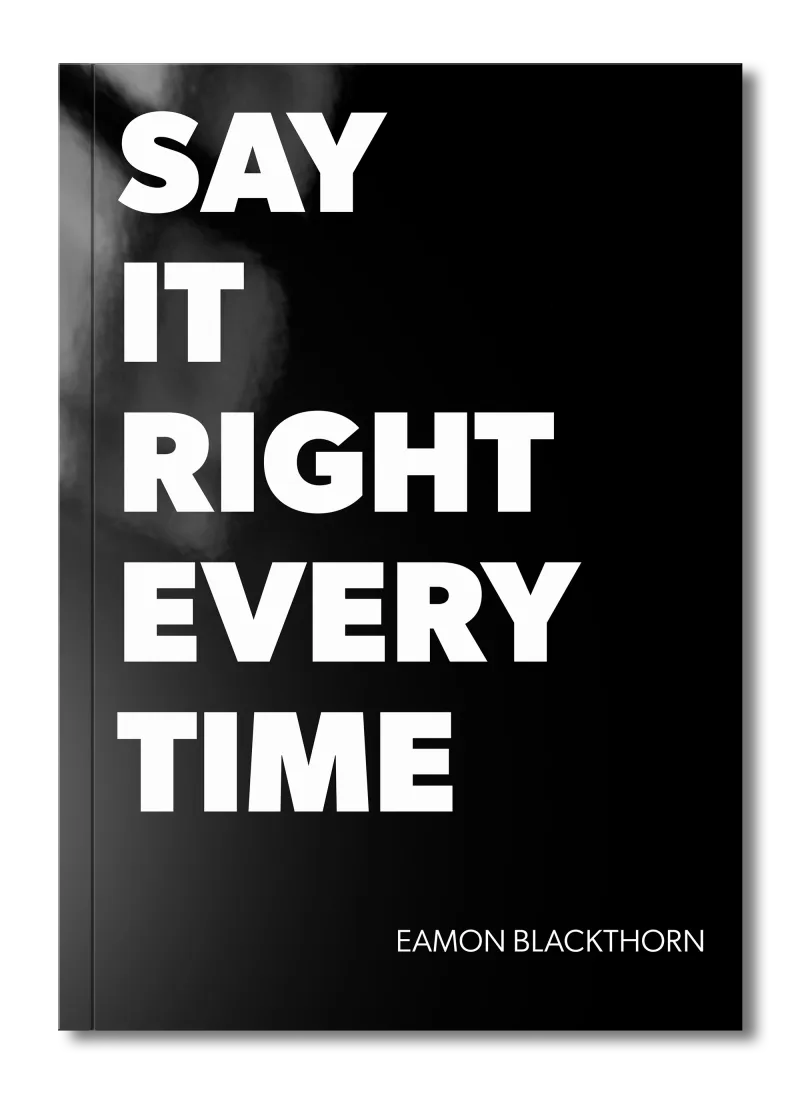
Stop rehearsing conversations you'll never have. Say It Right Every Time gives you 115 word-for-word scripts and 16 proven frameworks to speak with confidence in every conversation that matters.
The Foundation: What You Need Before You Start
Before you begin, there are three things that need to be clear.
Your baseline self-awareness. You need to know what your own default physical expression looks like before you can adapt it. This means spending time observing yourself: your resting posture, your eye contact habits, how close you stand to people, where your hands go when you are talking. Without this, you are trying to change something you cannot see.
A genuine curiosity about the other person. Adapting physical expression is not a technique you perform. It is a form of respect. If your internal orientation is curiosity rather than strategy, your adjustments will land as warmth rather than calculation. People feel the difference. Connection, not compliance, is the goal.
A working knowledge of the specific cultural context. Not a generalisation. Not a stereotype. A working knowledge of the specific setting, the specific people, and the specific norms that apply. This takes preparation, and it is always incomplete, which is why observation during the interaction matters as much as research before it.
Get these right first. The steps that follow will not work without them.
Step 1: Research the Specific Cultural Norms Before You Meet
This step sets you up to observe intelligently rather than stumble in blind.
Most people skip preparation for nonverbal communication entirely because it feels abstract. It is not abstract. Greeting rituals, eye contact duration, the meaning of silence, physical proximity, and touch norms are all knowable in advance if you prepare with real intention. You will not get a complete picture, but you will get enough to avoid the most costly mistakes.
- Identify the three highest-risk nonverbal areas for your specific context: typically eye contact, personal space, and greeting rituals.
- Look for accounts written by people who have worked extensively in that cultural setting, not summary articles from travel blogs.
- Write down two or three specific adjustments you intend to make, based on what you have learned.
- Ask a direct question of someone with first-hand experience if you have access to one. Lived observation is worth more than any written guide.
- Flag the areas you are still uncertain about so you can watch closely during the interaction itself.
Here is what this looks like in practice. Before a first meeting with colleagues from a Japanese company, I spent time learning that sustained direct eye contact can read as confrontational rather than engaged. I noted that bowing slightly when receiving a business card signals respect, while examining the card briefly before setting it down is expected. I wrote both of those down. I did not try to master every nuance; I focused on the two behaviours most likely to set the right or wrong tone at the start. That preparation gave me something to build on once I was actually in the room.
Good preparation does not make you an expert. It makes you a respectful observer, and that is exactly what you need going into Step 2.
Step 2: Observe Before You Mirror
The first minutes of any cross-cultural interaction are not for performing your research. They are for watching.
Before you calibrate your own physical expression, you need to see how the people in front of you actually behave. Cultural norms describe tendencies, not individuals. The person across from you may hold very different habits from what any guide would predict. Your research gives you a baseline; observation gives you the real signal.
- Stand or sit at a neutral distance and posture as the interaction begins. Do not lead with a gesture; wait.
- Notice how they greet you and match the energy and formality of their greeting without amplifying it.
- Watch their eye contact patterns across the first few minutes: how long they hold it, when they look away, whether they look at your face or your hands.
- Observe proxemics: how close they stand or sit, whether they move toward or away from you, how they use the space between you.
- Register their facial expression baseline. Some cultures carry a neutral resting expression in professional settings; this is not unfriendliness, and misreading it as such will lead you wrong.
This is the step that separates people who read rooms well from people who do not. Observation requires you to slow down internally even when the situation feels fast. It takes courage to resist filling the silence or rushing to establish rapport before you have earned it.
After this step, you will have a real picture of this specific person in this specific moment, and that is what your adjustments need to be based on.
Step 3: Adjust Your Posture and Proximity First
Of all the nonverbal elements you can control, posture and physical distance are the most powerful and the most immediately legible to others.
Posture communicates status, attitude, and intention before a word is spoken. Proximity signals how safe someone feels with you. Get these two wrong and nothing else you do will compensate. Get them right and you earn the kind of trust that makes the rest of the conversation possible.
- Bring your posture to a formal, upright baseline at the start of any cross-cultural interaction, regardless of how relaxed you feel.
- Match the proxemic distance the other person establishes. If they step back slightly, do not close the gap. If they lean in, you can move forward incrementally.
- Keep your body orientation open and forward-facing. Angling away, even slightly, reads as disengagement in most cultural contexts.
- Watch for signals that you are too close or too far. A micro-shift backward, a stiffening of posture, or a loss of eye contact often signals that your proximity is uncomfortable.
- Adjust gradually. Sudden changes in your physical positioning are more disruptive than holding a slightly imperfect distance.
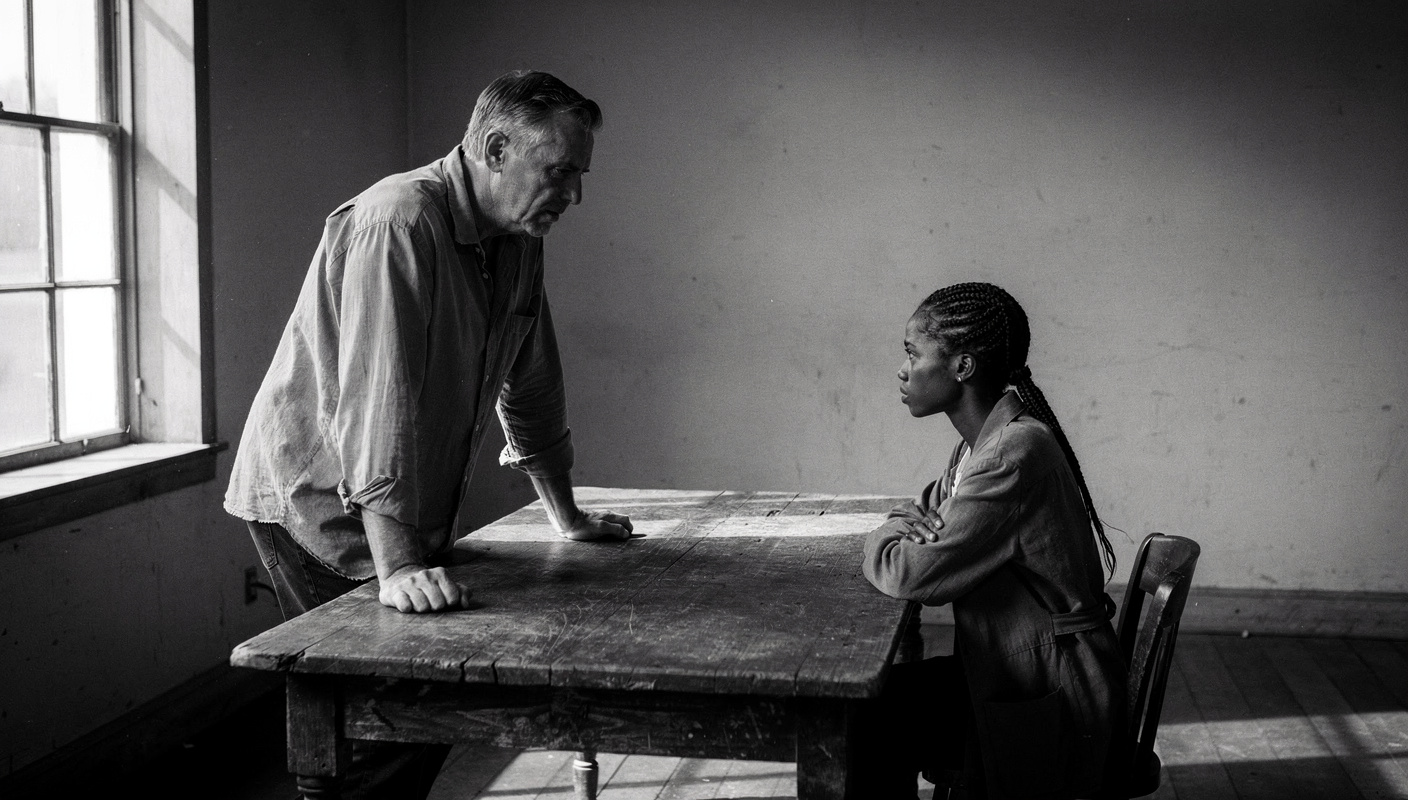
Here is a real example. I once watched a colleague greet a senior partner from a Korean firm with an expansive open-arm gesture and stepped in to close the distance, the way he would with any friend. The partner stepped back. My colleague stepped forward again. The partner smiled, but the warmth never returned to that conversation. He had used the right words. His body had said something entirely different.
Physical expression across cultures starts here, at the level of how you hold your body and where you place it in relation to others. Once your posture and proximity are calibrated, your gestures and eye contact will follow more naturally.
Step 4: Modify Your Gestures and Eye Contact
Once your posture and proximity are set, you can begin adjusting the finer details of your nonverbal expression.
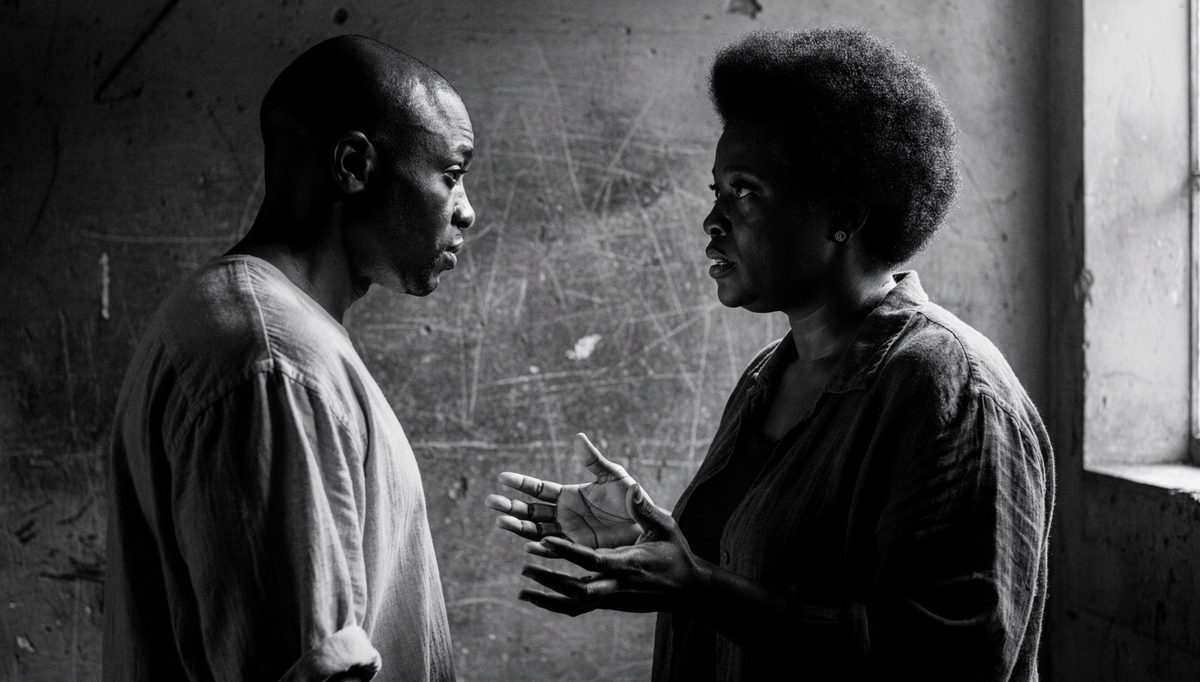
Gestures and eye contact carry enormous cultural weight, and they are the two areas most likely to create misunderstanding because they feel so natural to us. We gesture the way we think. We hold eye contact the way we were taught to show respect. These feel like character, not habit, which makes them harder to examine and adjust.
- Reduce the size and frequency of your hand gestures in cultures where restrained physical expression signals credibility. Large, sweeping gestures that feel expressive to you may read as unstable or aggressive in other contexts.
- In cultures where direct, sustained eye contact is a sign of trustworthiness, hold it slightly longer than feels comfortable. In cultures where it reads as confrontational, break it more often by glancing down or to the side.
- Eliminate pointing with a single finger in most Asian and Middle Eastern contexts. Use an open hand or a slight nod of the head to indicate direction instead.
- Manage your facial expression consciously. A smile means different things in different cultural contexts. In some settings, smiling broadly in a serious conversation signals a lack of gravity. In others, a neutral expression reads as hostility.
- Watch for reciprocal adjustment. When the other person begins to relax their own physicality, that is often a signal that your calibration is working.
The goal here is not to erase your natural expressiveness. It is to apply it with precision rather than habit, so your body communicates what you actually intend.
Step 5: Use Silence and Stillness as Active Tools
Here is the truth of it: in most cross-cultural settings, the person who is most comfortable with silence is the person in control of the interaction.
Many Western communicators treat silence as a gap to fill. They gesture more, speak faster, or reach for physical contact to ease the discomfort. In many cultural contexts, this reads as anxiety, aggression, or disrespect. Stillness and silence are not the absence of physical expression. They are a form of it, and a powerful one.
- When a pause opens in the conversation, resist the impulse to fill it with physical reassurance: a touch on the arm, a sudden lean forward, or a gesture toward the other person.
- Slow your own movements deliberately during moments of tension. A slower, more deliberate physical pace signals confidence and calm in almost every cultural context.
- Use a small, controlled nod to signal attention and understanding rather than words or gestures that might carry the wrong cultural weight.
- When you feel the urge to reach out and make physical contact to build warmth, wait. Observe whether touch is being used at all in this interaction before you initiate it.
- Practise holding a neutral, attentive expression in silence. Not a smile, not a frown. Present and quiet.
I remember sitting across a table from a business partner in a negotiation that had gone very quiet. Every instinct I had said to speak, to gesture, to re-engage. I stayed still instead. He looked at me for a long moment, then nodded once. That nod was the beginning of a deal. Silence was the most important physical expression in that room.
Once you have these five elements working together, you can bring them all into sustained interactions, including the most demanding context of all: the ongoing cross-cultural team environment.
Adapting This Process for International Remote Teams
Remote work strips out most of the physical environment, but it does not eliminate physical expression. It changes the frame.
When your team spans multiple cultural contexts and all you have is a video screen, the nonverbal signals that remain become more concentrated and more easily misread. A slight frown, a posture shift, a moment of looking away from the camera: these land harder on a small screen than they would across a conference table.
Camera position and framing matter culturally. In some cultural contexts, looking slightly down into the camera reads as submissive; in others, a camera too high up feels confrontational. Position your camera at eye level and ensure your face and upper body are both visible. This gives you maximum nonverbal range.
Stillness is amplified on screen. On a video call, even small movements are visible. Fidgeting, looking away repeatedly, or shifting in your seat signals distraction in every cultural context. Sit in a stable, upright position and keep your physical presence contained.
Greeting rituals need deliberate substitutes. On a video call, you cannot shake hands, bow, or match someone's spatial posture. Instead, begin each call with a moment of direct eye contact to the camera and a pause before speaking. This is a small act of physical respect that crosses most cultural lines. For guidance on creating the kind of psychological safety that supports this, What Is Psychological Safety and How It Drives Team Synergy is worth reading alongside this process.
Check in about communication norms directly. In a cross-cultural remote team, it is both practical and respectful to ask openly how different team members prefer to communicate. This includes nonverbal norms. It signals that you are paying attention, which is itself a powerful act. Building this habit connects directly to the principles in How Empathy Bridges in Team Communication Create the Conditions for Lasting Synergy.
The core process holds. Only the execution changes.
Common Mistakes When Adapting Body Language Across Cultures
Let me tell you about the mistakes I see most often. I have made most of them myself.
The mistake: Treating cultural norms as fixed rules that apply to every individual from that culture.
Why it happens: It is easier to reduce complexity to a rule than to stay genuinely curious about each person.
What to do instead: Use cultural research as a starting hypothesis, then let what you actually observe override it.
The mistake: Overcorrecting so visibly that it becomes its own problem.
Why it happens: People who are anxious about getting it wrong sometimes perform deference in a way that reads as mockery or discomfort.
What to do instead: Make small, gradual adjustments. The goal is to reduce friction, not to impersonate someone from another culture.
The mistake: Assuming that smiling solves everything.
Why it happens: In many Western cultural contexts, a warm smile is a universal opener. People carry that assumption into settings where it does not apply.
What to do instead: Observe the baseline facial expression in the room before deciding how much warmth to express physically.
The mistake: Ignoring physical expression entirely and focusing only on words.
Why it happens: Words feel controllable. Body language feels complicated. So people default to preparing their language and hoping the rest sorts itself out.
What to do instead: Treat physical expression as the first channel of communication, not an afterthought. Prepare for it with the same care you give your words.
The mistake: Failing to repair after a nonverbal misread.
Why it happens: People do not always know when a gesture or posture has landed wrong. And when they suspect it, they often say nothing because it feels too awkward to name.
What to do instead: If the energy in the room shifts and you suspect a nonverbal misstep, a brief, calm acknowledgment restores more trust than silence. This connects to what How to Give Feedback That Strengthens Team Synergy Instead of Breaking It explores in depth.
These are not character flaws. They are gaps in the system. Fix the system.
Your Practical Checklist
Use this checklist before you begin and after each cross-cultural interaction.
- I have researched the specific cultural norms for eye contact, greeting, and personal space for this context.
- I have identified at least two specific adjustments I intend to make to my physical expression.
- I know what my own default posture, proximity, and gesture patterns look like.
- I have committed to observing before mirroring in the first few minutes of the interaction.
- My camera position or physical setup supports a clear, eye-level, open nonverbal presence.
- I have identified one person I can watch in this setting to calibrate my own physical behaviour.
- I am prepared to be comfortable with silence rather than filling it with gesture or movement.
- I have a plan for what to do if I notice a nonverbal misread has occurred.
- I am treating my cultural research as a hypothesis, not a script.
- After the interaction, I will note one thing I observed that I did not expect.
If you cannot check most of these, that is your starting point.
Summary and Next Steps
You now have a working process for adapting physical expression across cultures, one you can apply before, during, and after any cross-cultural interaction. That is something you did not have before you started reading.
- Research the specific cultural norms for nonverbal communication before any cross-cultural meeting. Do not rely on generalisations; find specific, observed information.
- Observe first. The minutes at the start of any interaction are for watching, not performing.
- Posture and proximity are your foundation. Get these right before you adjust anything else.
- Gestures and eye contact require specific, conscious calibration. What feels natural to you may carry a completely different meaning in another cultural context.
- Silence and stillness are active tools, not gaps to fill. The person most comfortable with stillness is often the person most trusted in the room.
- Mistakes will happen. What matters is your system for noticing and repairing them, not your aim for perfection.
- Physical expression across cultures is a skill built through practice, not a talent you either have or do not.
For the deeper interpersonal work that supports this process, start with How Psychological Safety Enables Honest Communication and Sustains Team Synergy. If you are working with mixed teams where different communication styles create friction, Introverts vs Extroverts in Team Synergy: How to Balance Both for Maximum Cohesion and What Is the Amygdala Hijack and How It Silently Blocks Team Synergy in High-Pressure Moments both speak directly to what happens when physical expression and emotional pressure intersect.
Adapting physical expression across cultures is not about erasing who you are. It is about earning the right to be heard.
Frequently Asked Questions (FAQ)
What is physical expression across cultures?
Physical expression across cultures refers to the way gestures, posture, eye contact, and spatial behaviour carry different meanings in different cultural contexts. What signals respect in one setting can signal aggression or discomfort in another. Understanding these differences is essential for clear, respectful communication across cultural lines.
How do you adapt physical expression in cross-cultural communication?
Start by researching the specific cultural norms around eye contact, touch, personal space, and gesture before any interaction. Observe how others in that setting carry themselves and match your posture and energy accordingly. Adjust gradually rather than overcorrecting, and treat every interaction as new information to refine your approach.
Why does physical expression across cultures cause misunderstandings?
Most people assume their own body language is neutral, but every gesture and posture carries cultural weight. A nod, a smile, or a certain proximity means something specific in each cultural context. When those meanings differ, the gap between intention and impact can quietly damage trust and connection before a word is spoken.
What are the most important nonverbal cues to adapt across cultures?
Eye contact, personal space, touch norms, and hand gestures are the four areas most likely to create misunderstanding across cultural lines. Greeting rituals, including whether to bow, shake hands, or avoid physical contact entirely, also vary significantly and carry strong social meaning in most professional and personal settings across cultures.
How does posture affect communication across different cultures?
Posture signals status, respect, and attentiveness differently depending on cultural context. In some settings, leaning back signals confidence; in others, it reads as dismissiveness. Sitting upright and keeping an open, forward-facing posture is the safest starting position until you can observe and calibrate to local norms in your specific setting.
Can you learn to adapt your physical expression across cultures quickly?
You can build a working foundation quickly if you prepare, observe, and stay genuinely curious. Deep fluency takes time, but you can avoid the most damaging misreadings within a single conversation by slowing down, mirroring carefully, and treating every nonverbal signal as real information rather than noise to be ignored.