
In Short
After reading this, you will be able to detect the physical signs of an amygdala hijack in real time and use a practised body language system to restore confident physical presence before it costs you.
- Recognize the specific physical signs that signal your body is shutting down under pressure
- Use a pre-built physical reset sequence to interrupt the stress response mid-conversation
- Practise the S.T.R.O.N.G. Method to build a reliable pre-conversation ritual that prevents collapse before it starts
The amygdala hijack body response is the involuntary physical collapse of posture, gesture, and gaze that occurs when the brain's threat detection centre overrides rational control, visibly signalling fear or withdrawal to everyone in the room before you speak a single word.
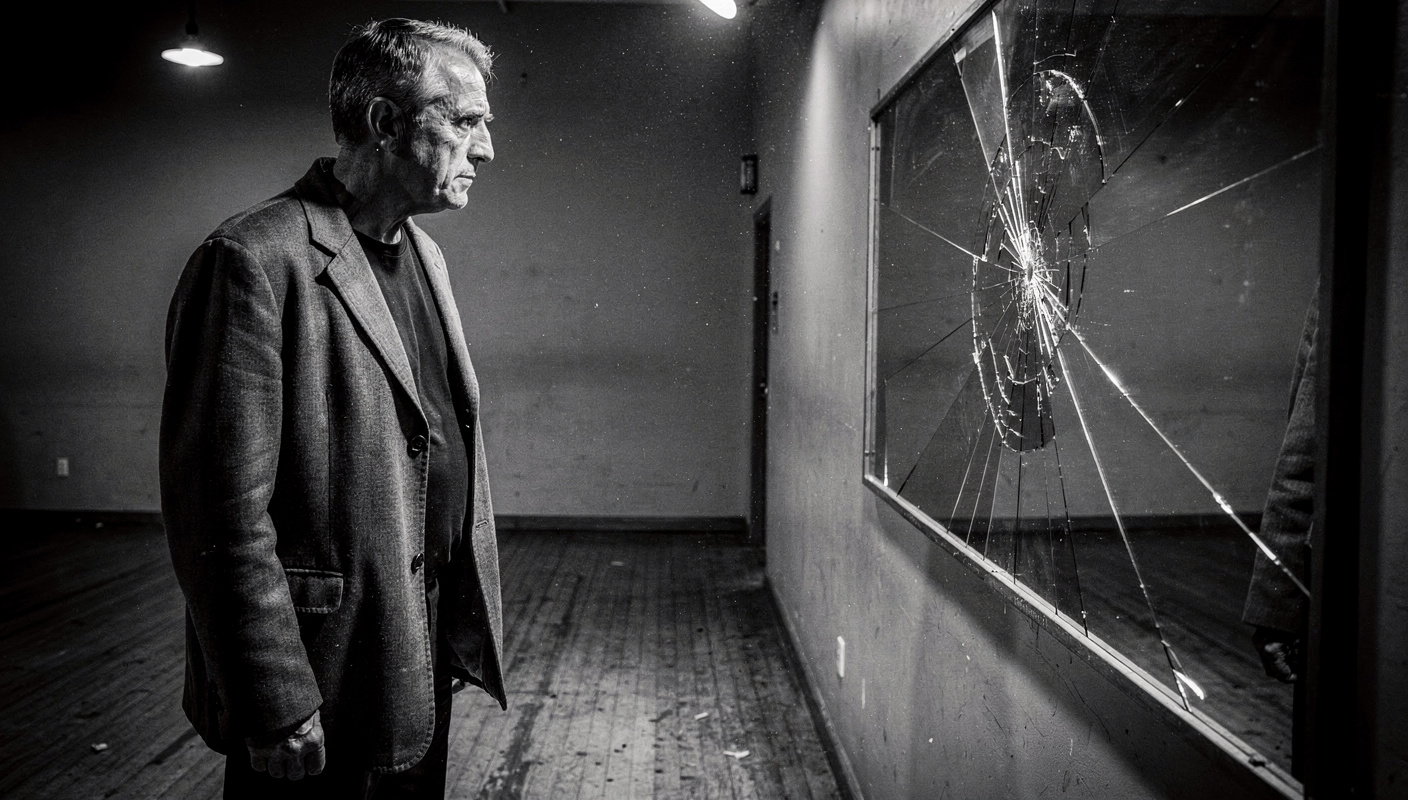
You have been in that room. The high-stakes meeting, the difficult conversation with a manager, the moment you needed to hold your ground in front of people who were watching. You felt your shoulders rise, your chest tighten, and your eye contact fracture. You were not thinking any of it. Your body simply did it.
That is the amygdala hijack in its physical form. Most people know the term. Fewer understand that before it steals your words, it steals your physical expression entirely. Your nonverbal communication collapses first, and once it does, the conversation is already sliding away from you.
The real difficulty is not ignorance. Most professionals have heard that "body language matters." The problem is that knowing this does nothing when your nervous system is flooding you with cortisol and adrenaline. In Say It Right Every Time, I describe this exact gap: "It is the gap between knowing what to say and being able to say it under pressure. It is a universal human experience. It is not a personal failing. It is a biological reality." The same is true for your body. Knowing you should stand tall does not stop your shoulders from caving when the threat response fires.
In this guide, you will get a clear, practical process for physical expression under pressure that you can use immediately. If you want to understand how this same hijack silently damages team dynamics, read What Is the Amygdala Hijack and How It Silently Blocks Team Synergy in High-Pressure Moments first.
Why Physical Expression Collapses Under Pressure
You already know good posture matters. You know eye contact builds trust. You know open gestures signal confidence. The gap between knowing and doing is where most people get stuck, and it is a wider gap than any training session acknowledges.
Here is why recovering your physical expression in a live moment is genuinely hard:
The collapse happens faster than your awareness. Your amygdala fires before your conscious mind registers the threat. By the time you notice your shoulders are up near your ears, your nonverbal signal has already been sent and read by the room. You are always a beat behind your own body.
Cortisol actively works against openness. The stress hormones that flood your system during a hijack cause muscles to contract and tighten. Your chest closes, your diaphragm compresses, and your throat narrows. These are involuntary physiological changes, not bad habits you can simply decide to drop.
Compensating often makes it worse. Many people, realising they look nervous, attempt to force confidence through rigid stillness or stiff, performative gestures. This looks equally wrong. Authentic physical expression under pressure cannot be faked; it must be restored through a physical system.
Your history shapes your trigger threshold. If you grew up in an environment where conflict was dangerous, your threat response fires earlier and harder than average. The amygdala learns from experience, and those lessons run deep. This is worth understanding without shame, as I cover in The Role of Emotional Intelligence in Team Synergy.
There is no standard training for physical recovery. Most communication coaching focuses on what to say. The body gets a footnote. Real mastery of physical expression under pressure requires its own dedicated practice, its own method, and its own system.
The goal is not to eliminate these difficulties. It is to build a system that works in spite of them.
"The Conversation You're Avoiding Is the One You Need to Have."
"The Conversation You're Avoiding
Is the One You Need to Have."
Stop rehearsing conversations you'll never have. Say It Right Every Time gives you 115 word-for-word scripts and 16 proven frameworks to speak with confidence in every conversation that matters.
The Foundation: What You Need Before You Start
Before you begin, there are three things that need to be clear.
Know your personal collapse signature. Every person's amygdala hijack produces a slightly different physical pattern. Yours might be rising shoulders and broken eye contact. Someone else's is frozen hands and a dropped chin. Before you can correct the pattern in real time, you need to know exactly what your body does. Spend one week paying close attention to your physical state in tense moments, or ask a trusted colleague to observe and describe what they see when you are under pressure. You cannot correct what you have not clearly identified.
Accept that preparation is the primary tool. In Chapter 3 of Say It Right Every Time, I introduce the S.T.R.O.N.G. Method: a six-step pre-conversation ritual that builds physical and psychological readiness before you walk into a difficult moment. The body's threat response is best addressed before it fires, not during. Reactive recovery is harder and less reliable than pre-emptive preparation. Both matter. Preparation matters more.
Understand that this is a physical skill, not a mindset shift. Telling yourself to be confident does not change your cortisol levels. As I write in Say It Right Every Time: "Telling someone to 'be more confident' is not actionable advice." Physical expression under pressure improves through rehearsal of specific physical behaviours, not through positive thinking. Treat this exactly as you would any other physical skill: practise it repeatedly until the body knows what to do without instruction.
Get these right first. The steps that follow will not work without them.
Step 1: Identify Your Physical Collapse Pattern Before the Moment Arrives
This step is the foundation of everything that follows, because you cannot reset something you cannot see.
Most people only notice their body language has collapsed after the conversation has already gone sideways. By then, the damage to your physical presence and to the other person's perception of you is done. The work here is to map your pattern before you need it, so that recognition in the moment becomes near-instant.
- After your next tense meeting or conversation, find a private space and write down exactly what you noticed in your body: where did you feel tension, what did your hands do, did your gaze drop or dart?
- Ask one trusted colleague to give you an honest, specific description of your physical presence when you are under pressure. Ask for detail: "Where do my eyes go? What happens to my posture?"
- Record yourself in a rehearsed high-pressure scenario, a practice difficult conversation or a mock presentation, then watch it back with the sound off. The body tells the truth on camera.
- Identify your top three physical collapse markers: the specific behaviours that appear first and most consistently when the hijack fires.
- Write these three markers down as a short personal checklist. Keep it somewhere accessible before high-stakes conversations.
Example: A project manager I worked with spent years believing her main problem in conflict conversations was that she spoke too fast. When she finally watched herself on video, she saw something different entirely. Her shoulders rose two inches the moment challenge came, her arms crossed, and her chin dropped to her chest. The other person was reading "defensive and uncertain" before she had said a word. Once she named those three physical signals as her collapse pattern, she could scan for them in real time and interrupt them before they set in.
Naming your pattern transforms a vague anxiety into a specific, correctable signal. That shift is the beginning of real control.
Step 2: Practise the Pre-Conversation Physical Reset
The single most effective place to reclaim physical expression is the thirty seconds before the conversation begins, not during it.
In Say It Right Every Time, the S.T.R.O.N.G. Method opens with "State your intention" and "Take a breath." These are not motivational suggestions. They are physical directives. Stating your intention aloud, even quietly to yourself, activates the prefrontal cortex. Taking a deliberate breath directly counters the shallow, rapid breathing that accompanies the stress response. Together, they are a physiological reset, not a pep talk. The full S.T.R.O.N.G. Method is outlined in Chapter 3 of Say It Right Every Time.
- Find sixty seconds of privacy before entering the room: a corridor, a bathroom, a stairwell.
- Stand with feet shoulder-width apart and plant them firmly. Feel the floor. This is a grounding technique that activates your parasympathetic nervous system.
- Take one slow breath in through the nose for four counts, hold for two, and release through the mouth for six. Do this three times.
- Roll your shoulders back and down deliberately, then hold that position for ten seconds while continuing to breathe.
- State your intention quietly: "I am here to listen clearly and speak directly." One sentence. Specific. Calm.
Each of these micro-actions has a measurable physiological effect. Used together, they reduce cortisol, lower your resting heart rate, and open your posture before the other person can see you. That is not mysticism. That is how the nervous system responds to deliberate physical input.
Step 3: Use the 3-Second Pause to Interrupt the Hijack Mid-Conversation
Even with perfect preparation, the amygdala hijack can still fire once the conversation is live. A sudden challenge, an unexpected accusation, a tone you did not expect: any of these can trigger the collapse mid-sentence. You need a recovery tool that works in the middle of a live exchange.
In Chapter 2 of Say It Right Every Time, I introduce the 3-Second Pause as a core tool in the C.O.R.E. Framework. It is exactly what the name suggests: three seconds of deliberate silence before you respond when emotions spike. Those three seconds interrupt the reactive cycle. They give your prefrontal cortex time to re-engage before your body doubles down on the collapse posture.
- The moment you feel your shoulders rising or your gaze dropping, stop speaking. Do not apologise for the pause. Simply pause.
- In those three seconds, press your feet into the floor, take one controlled breath, and consciously lower your shoulders before you say another word.
- If the pause feels uncomfortable, a bridging phrase is available. Say quietly: "Let me think about that for a second." This is not weakness. It signals that you take the conversation seriously.
- Resume speaking only after you have completed the physical reset: feet grounded, shoulders down, chest open, gaze forward.
- Keep your hands visible and relaxed at your sides or resting on the table. Visible, open hands are one of the most reliable physical signals of calm confidence. Gripping, hiding, or clasping hands signals the opposite.
Example: Consider this scenario. You are in a meeting and your manager challenges your project figures in front of the room. You feel the hijack fire: your voice tightens, your shoulders rise, and your eye contact drops to the table. Instead of responding immediately, you say: "That is a fair challenge. Give me a moment to answer it properly." You press your feet down, drop your shoulders, and then respond directly, with your gaze level and your hands resting open on the table. The room reads composure. The hijack does not win.
The 3-Second Pause is one of the smallest tools in the system. It is also one of the most powerful you will ever use.
Step 4: Rebuild Your Posture from the Ground Up
Once a physical collapse has started, trying to fix everything at once is overwhelming and usually makes things worse. You need a sequence, and the sequence must go from the ground upward.
This is counterintuitive. Most people try to fix their posture by thinking about their face, their hands, or their voice. But stability under pressure starts at the base of the body, not the top. What Is Psychological Safety and How It Drives Team Synergy makes a related point: safety is built from the ground up, one signal at a time. The same principle applies to your physical expression.
- Feet first: Plant both feet flat on the floor, hip-width apart. If you are standing, stop shifting weight from foot to foot. If you are seated, feel both feet on the ground simultaneously.
- Hips and core second: If seated, sit forward on the chair rather than slouching back. If standing, unlock your knees slightly so you are not rigid but grounded.
- Shoulders third: Roll them back and down in one deliberate motion. Do not force them backward into military posture. Simply remove the upward tension.
- Chest fourth: Allow your sternum to lift naturally as your shoulders drop. Do not puff your chest. Simply stop collapsing it.
- Gaze last: Raise your eye line to meet the other person's eyes. Not a stare. A calm, steady engagement.
Work through this sequence once in under ten seconds, and your physical presence will shift measurably. Practise the full sequence daily, not just in high-pressure moments, so your body knows the path by memory.
Step 5: Manage Gestural Control to Project Calm Confidence
Your hands tell a parallel story to your words. When the amygdala hijack fires, gestures either freeze entirely or become anxious and repetitive: tapping, gripping, folding. Both patterns signal the same thing to the room. Something is wrong.
Gestural control is a learnable skill. In Chapter 3 of Say It Right Every Time, I describe nonverbal confidence as a "critical communication component." Technique is the what, but the how is what the other person actually experiences. Your gestures are a significant part of that how.
- Default to a neutral hand position when not actively gesturing: hands resting loosely in your lap if seated, or hanging naturally at your sides if standing.
- When you gesture to emphasise a point, make the gesture deliberate and complete. Move the hand, hold the position for one beat, then return to neutral. Do not let hands drift aimlessly.
- Eliminate self-soothing gestures: touching your face, rubbing your hands together, gripping your own forearm. These are comfort behaviours that broadcast discomfort.
- Use open-palm gestures when making a key point. An open palm facing upward signals openness and invitation. A palm facing downward signals authority. Both are useful. Neither signals fear.
- Practise gestural control during low-stakes conversations first: team check-ins, casual updates. Build the habit before you need it under pressure.
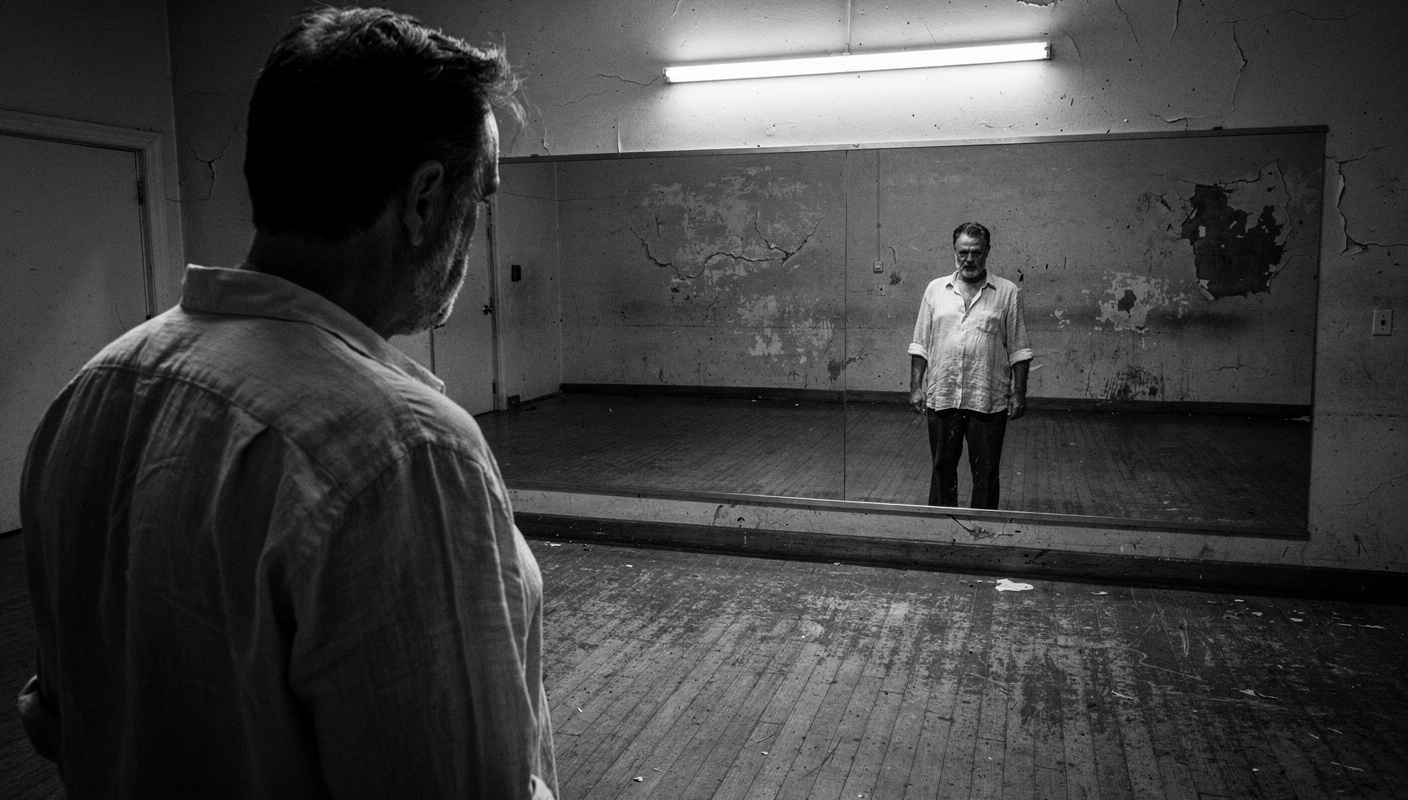
Example: Before a difficult feedback conversation, practise your key points standing in front of a mirror. Watch what your hands do when you say something you are uncertain about. You will likely see them retreat, cross, or grip each other. Replace that pattern consciously with a deliberate open gesture or a clean return to neutral. Do this three times per practice session. By the fifth session, the correction becomes automatic. That is the confidence-competence loop at work.
Gestural control does not mean becoming robotic. It means your hands carry the same message as your words, consistently and without contradiction.
Step 6: Regulate Your Breathing to Stabilise Voice and Posture
The breath connects everything. It is the fastest single route to changing your physiological state, and it is the one tool always available to you in a live conversation, completely invisible to the other person.
Shallow, fast breathing, the kind that accompanies an amygdala hijack, compresses the diaphragm and tightens the muscles around the chest and throat. This produces a thinner, higher-pitched voice, reduced gestural range, and a hunched posture. All of these send the same signal to the room: I am not in control right now. You can read more about how this dynamic plays out in team settings in Signs Your Team's Amygdala Hijack Problem Is Destroying Synergy in Real Time.
- During a conversation, slow your breath without making it visible. Breathe through your nose rather than your mouth when listening. This slows the rate naturally.
- Before delivering a key point, take one controlled breath through the nose in the natural pause between the other person finishing and you beginning. This takes under two seconds and is undetectable.
- If you feel your voice beginning to thin or shake, pause, breathe, and lower the pitch of your next sentence deliberately before speaking.
- Practise diaphragmatic breathing daily for five minutes: breathe so that your stomach expands on the inhale, not your chest. This trains your body to default to deeper breathing under pressure over time.
- Link your breathing practice to a specific daily trigger, such as after your morning coffee or before you open your laptop. Habit anchoring makes the practice stick.
Controlled breathing is not a relaxation exercise. It is a precision tool for maintaining physical presence when your body is working against you.
Adapting This Process for Remote and Hybrid Conversations
High-pressure conversations over video call present a specific physical challenge. The amygdala hijack still fires with full physiological force, but the camera frame hides the most visible signals while amplifying others.
Your face carries the full load. On camera, the other person cannot see your posture or your feet. They can see your face in close-up detail that no in-person meeting matches. Micro-expressions of anxiety, tension around the jaw, and a tightening around the eyes become more visible, not less. The pre-conversation physical reset is even more critical here, because your face must carry the composure your full posture would normally support.
Camera height and position change your physical expression. A camera positioned below eye level forces you to look down, which collapses the chin and closes the throat. Raise your camera to eye level or slightly above. Sit forward on your chair rather than reclining. This single adjustment changes the physical signal you send dramatically. Also see How Psychological Safety Enables Honest Communication and Sustains Team Synergy for how environment shapes communication outcomes.
The 3-Second Pause reads differently on screen. In person, a brief pause with maintained eye contact reads as composure. On video, a long pause can appear as a technical issue or disengagement. Keep the pause brief, use a bridging phrase if needed, and maintain your gaze into the camera lens rather than at the other person's face on screen. The lens is their eyes.
Pre-call grounding is non-negotiable. Because you cannot walk in from a corridor or compose yourself in a hallway, build a physical reset into your joining ritual. Stand up, run through the ground-up posture sequence, take three controlled breaths, and then sit and join the call. Never join a difficult call from a collapsed seated position you have held for thirty minutes.
The core process holds entirely in remote settings. Only the execution changes.
Common Mistakes to Avoid When Recovering Physical Expression Under Pressure
Let me tell you about the mistakes I see most often. I have made most of them myself.
The mistake: Trying to fix your face first when your body is already in collapse.
Why it happens: We are taught that communication is about facial expression and eye contact, so that is where attention goes first.
What to do instead: Always begin the reset sequence from the feet upward. Stability starts at the base. Your face will follow your posture, not the other way around.
The mistake: Using forced stillness to mask anxiety.
Why it happens: Movement feels like evidence of nerves, so people lock their body rigid to hide it.
What to do instead: Rigid stillness reads as tension, not calm. Use controlled, deliberate movement instead: a single open gesture, a small nod, a calm shift in weight. Motion that has intention signals control.
The mistake: Practising the reset only when you feel anxious.
Why it happens: People treat physical reset techniques as emergency tools rather than daily habits.
What to do instead: Run the ground-up posture sequence and breathing practice every day in low-stakes situations. The body learns through repetition, not through occasional crisis application. This is the confidence-competence loop in action.
The mistake: Breaking eye contact at exactly the moment it matters most.
Why it happens: The amygdala hijack redirects gaze away from perceived threat. Looking away feels instinctively safer.
What to do instead: Before a key point or a moment of challenge, hold a calm three-second gaze directly at the other person. It signals that you are present and steady, even if you do not feel it yet. This is also relevant when handling conflict during meetings.
The mistake: Waiting until the hijack peaks before attempting recovery.
Why it happens: People often hope the feeling will pass on its own and delay intervention.
What to do instead: Intervene at the first physical signal, the first shoulder rise, the first breath shortening. Early intervention costs almost nothing. Late intervention is far harder and never quite complete.
The mistake: Trying to manage body language and find the right words simultaneously during a hijack.
Why it happens: Both feel urgent at the same time, and the brain cannot prioritise.
What to do instead: Use the 3-Second Pause. Stabilise the body first. Once your nervous system has reset, the words become accessible. Physical and verbal control are sequential, not simultaneous.
These are not character flaws. They are gaps in the system. Fix the system.
Your Practical Checklist for Physical Expression Under Pressure
Use this checklist before you begin and after each practice cycle.
- I have identified my three personal physical collapse markers in writing.
- I have run the six-second ground-up posture reset: feet, hips, core, shoulders, chest, gaze.
- I have completed three rounds of controlled breathing before the conversation.
- I have stated my intention for this conversation quietly to myself.
- My camera or seating position places eye level at or above the other person's gaze.
- I have identified a neutral resting position for my hands and practised returning to it.
- I know which bridging phrase I will use if I need to take a 3-Second Pause.
- I have practised my key gestural moments in advance, including the return to neutral.
- I have eliminated self-soothing behaviours from my preparation rehearsal.
- I am entering this conversation having moved my body, not sitting static for the previous thirty minutes.
- I know the first physical signal that tells me my hijack is starting, and I have a single corrective action ready.
- I have reviewed the S.T.R.O.N.G. Method checklist from Chapter 3 of Say It Right Every Time.
If you cannot check most of these, that is your starting point.
Summary and Next Steps
You now have a concrete, sequential system for detecting and correcting the physical collapse that follows an amygdala hijack body response, in real time and before high-stakes conversations begin.
- The amygdala hijack physically collapses posture, gesture, and gaze before you speak, and the room reads that collapse instantly.
- Your personal collapse pattern is specific and identifiable: mapping it is the essential first step.
- The pre-conversation physical reset is your most powerful tool; use it in the sixty seconds before every difficult exchange.
- The 3-Second Pause interrupts the live hijack without requiring you to suppress emotion; it gives your nervous system a brief reset window.
- Rebuilding physical presence follows a ground-up sequence: feet first, gaze last, every time.
- Breath regulation is the invisible thread connecting every other physical tool; practise it daily, not only under pressure.
- Gestural control is learnable through low-stakes repetition; the confidence-competence loop builds it reliably over weeks, not months.
For the full C.O.R.E. Framework and the complete set of scripts for managing difficult conversations, including how to respond when your emotions are spiking mid-exchange, read How the Amygdala Hijack Sabotages Feedback Conversations and What to Do About It. If you want to build the psychological conditions that make these tools easier to use, What Is Psychological Safety and How It Drives Team Synergy is the place to go next.
The amygdala hijack body response is not a personal weakness. It is a biological system doing exactly what it was built to do. Your job is not to silence it. Your job is to be faster than it.
Frequently Asked Questions (FAQ)
What does the amygdala hijack do to body language?
The amygdala hijack triggers a fight-or-flight response that immediately affects your physical expression. Your shoulders rise and contract, your chest closes, eye contact breaks, and your gestures become small or frozen. These changes happen before you speak and signal weakness or anxiety to everyone watching.
How do you stop the amygdala hijack body collapse in real time?
You stop the amygdala hijack body collapse by interrupting the stress response physically before trying to speak. Take a slow diaphragmatic breath, consciously drop your shoulders, plant your feet, and hold a neutral gaze for three seconds. These physical resets signal safety to your nervous system and restore rational control.
Can you control your body language during an amygdala hijack?
Yes, but it requires a pre-practised physical system, not willpower alone. In the moment, the amygdala hijack overrides intention. What works is anchoring to a rehearsed physical sequence: breath, posture, gaze. These cues bypass the emotional flood and give your body a clear script to follow.
Why does the amygdala hijack make your voice shake and your posture collapse?
The amygdala hijack floods your body with cortisol and adrenaline, tightening the muscles around your chest and throat. This compresses your diaphragm, raises your shoulders, and reduces airflow, causing vocal tremor. Your posture collapses because the body is preparing to protect vital organs, not to project confidence.
What physical signs show that an amygdala hijack is happening?
The clearest physical signs are shoulders rising toward the ears, chest caving inward, eye contact breaking or darting, gestures shrinking or freezing, and breathing becoming shallow and fast. You may also notice your voice thinning, hands gripping objects, or feet shifting restlessly. These are measurable, correctable signals.
How long does the amygdala hijack body response last?
The acute physiological surge of the amygdala hijack typically lasts six to ten minutes if you do nothing. With deliberate physical intervention, including controlled breathing, posture reset, and grounding, you can interrupt the cycle in under ninety seconds and begin restoring calm, confident physical expression.