
What Happened
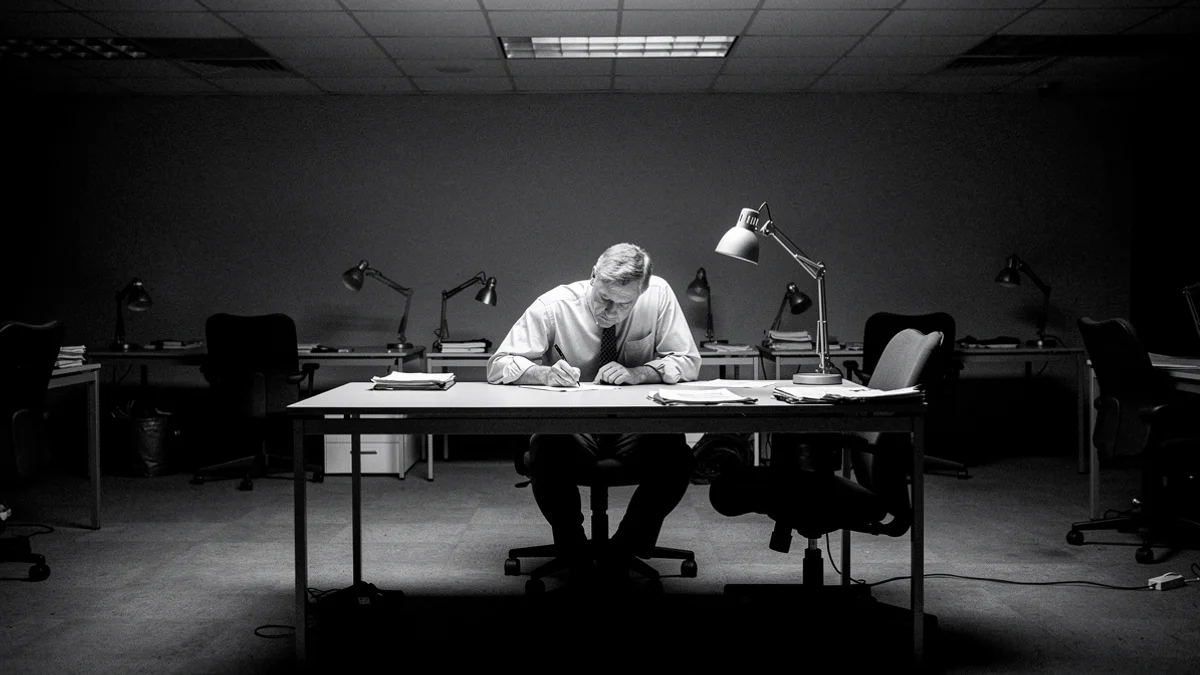
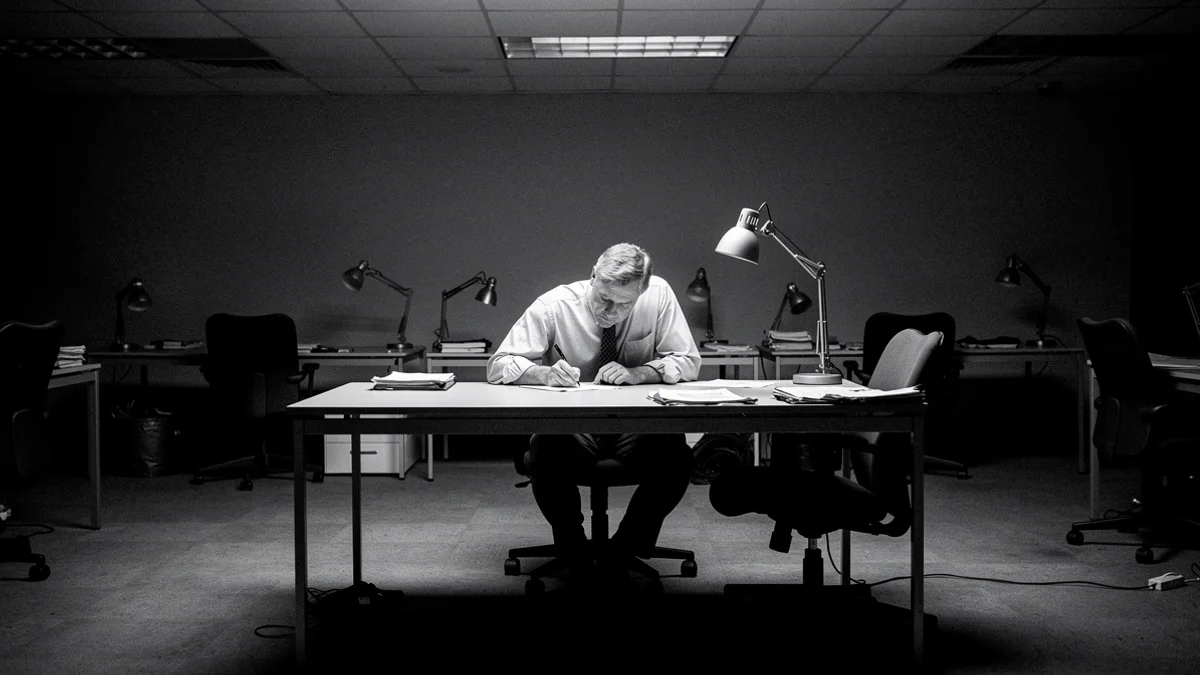
HR teams in 2025 are rethinking how they manage remote workers, moving past the pandemic-era scramble toward something more deliberate. The focus has shifted from tracking attendance and screen time to building systems that actually keep distributed teams aligned, accountable, and engaged. The core challenge is not technology or scheduling. It is communication structure, and most managers are still getting it wrong.
The Communication Angle
Here is the real problem with remote management: most managers took their office communication habits, moved them to Slack and Zoom, and called it a strategy. That is not a strategy. That is a costume change.
The managers who are actually succeeding in 2025 have done one specific thing differently. They stopped treating communication as a response mechanism and started treating it as an architecture decision. Meaning: they designed when, how, and why their teams talk before the talking ever started. They did not react to confusion. They built systems that prevented it.
What does that look like in practice? It looks like a manager who opens every week with a written brief, not a meeting. Three sentences: what matters this week, what each person owns, and what a good outcome looks like by Friday. That brief does something a meeting never can. It forces the manager to think clearly before demanding their team's attention. Clarity from the top creates clarity at every level below it.
The failure mode is the opposite. A manager who pings people randomly, holds check-ins with no agenda, and sends messages that require three follow-up questions to decode is not managing remotely. They are creating noise and calling it leadership. Remote workers cannot read your body language, cannot catch you in the hallway, and cannot absorb context the way office workers can. Every unclear message costs twice as much in a remote environment because the recipient has to stop work, decode the message, and then decide whether to respond or wait. That friction kills momentum.
The second layer is feedback. Remote employees are starving for it, and most managers deliver it either too late or too vague to use. "Good job on that report" lands flat over Slack. Instead: "The executive summary on that report was sharp. You led with the outcome, not the process. That is exactly the right call for that audience." Specific, timely, and tied to a communication behavior. That kind of feedback teaches while it affirms. It builds the team you need instead of just grading the team you have.
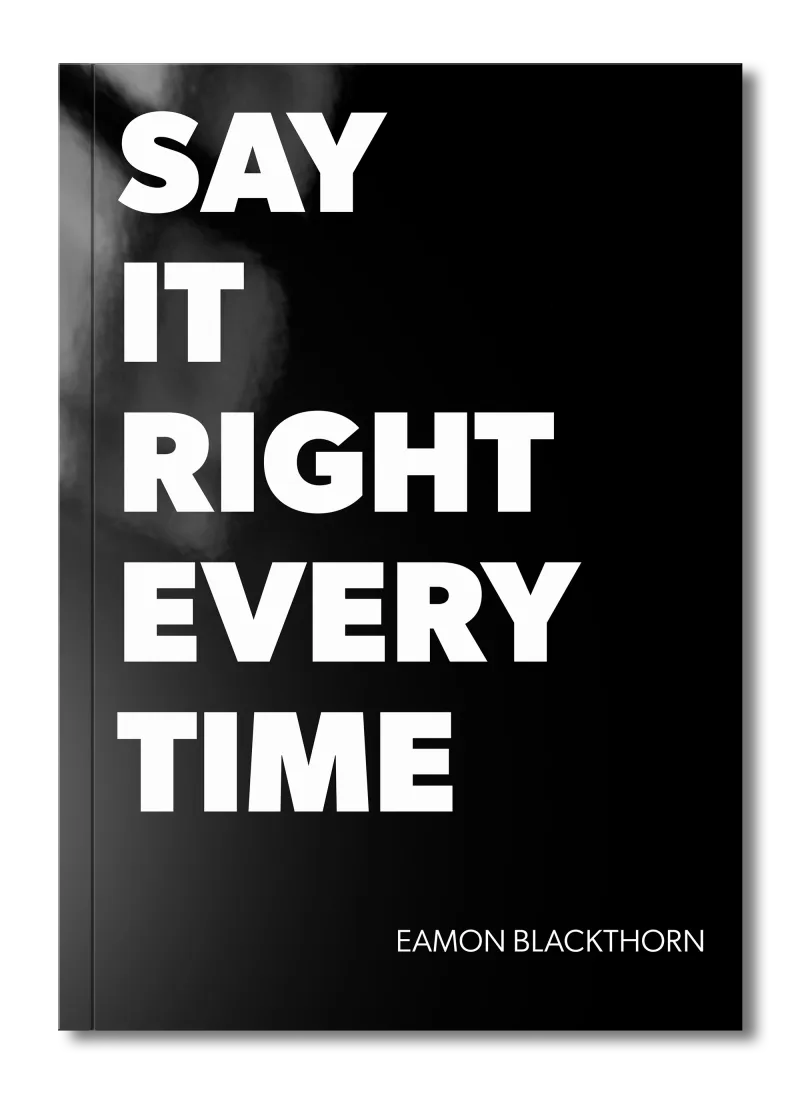
This is exactly the kind of scenario I break down in Say It Right Every Time. The chapter on structured clarity gives you a framework for designing communication systems rather than just reacting to breakdowns. Most managers think they have a people problem when they actually have a message design problem. The chapter walks you through how to build the kind of communication architecture that works whether your team is in one room or twelve time zones apart.
Never Be Lost
for Words Again
Get word‑for‑word scripts for the conversations that shape your life, from job interviews and negotiations to difficult talks with family and partners, so you always know exactly what to say and how to say it.
Never Be Lost
for Words Again
Get word‑for‑word scripts for the conversations that shape your life, from job interviews and negotiations to difficult talks with family and partners, so you always know exactly what to say and how to say it.
Key Takeaway
Before your next team meeting or check-in, write one sentence that answers this question: "What does my team need to know, do, or decide this week that they cannot afford to get wrong?" Send that sentence to your team before the meeting starts. Not as an agenda item. As a declaration. Watch how fast the noise disappears.