
What Happened
At a rally in Barrackpore, West Bengal, Prime Minister Narendra Modi posted an aerial photograph on X showing a massive, densely packed crowd gathered ahead of his public address. He captioned it in Bengali, noting there was no room left in the venue. The image went out before he even took the stage.
The Communication Angle
Here is the lesson: social proof is not a backup strategy. It is the opening argument. Modi did not post a speech excerpt. He did not share a policy point. He shared a photograph of tens of thousands of human beings choosing to show up. That image does more persuasive work in two seconds than a ten-minute speech can do in ten minutes.
This is a classic move, and it works because of a simple truth about human psychology. People trust crowds. When someone sees that many bodies packed into one place, the brain does not ask "why are they there?" The brain says "something important is happening and I am not part of it." That feeling is called social proof, and it is one of the most reliable forces in public communication.
The choice to post it before the speech is the part most communicators miss. Timing is everything here. By releasing the image early, Modi framed the entire event before he said a single word. The audience arriving, the audience watching online, the journalists covering it: all of them received the crowd as the first data point. Everything that came after landed inside that frame. A packed house signals legitimacy. A packed house says: this person matters right now.
There is also the platform and language choice. Posting in Bengali, to a Bengali-speaking audience, for an event in West Bengal, is not an accident. It is localization done with intention. He is not speaking to India. He is speaking to this room, this city, this voter. That specificity multiplies the emotional impact of the image. It says: I see you, and I came here for you specifically.
Professionals in business, sales, and leadership can steal all of this directly. Before your next presentation, your next pitch, your next team meeting, ask yourself: what is my crowd? Maybe it is a list of clients who already said yes. Maybe it is a retention number. Maybe it is the size of your waiting list. Whatever signals that others have already chosen you, lead with that. Put it in the room before your argument starts.
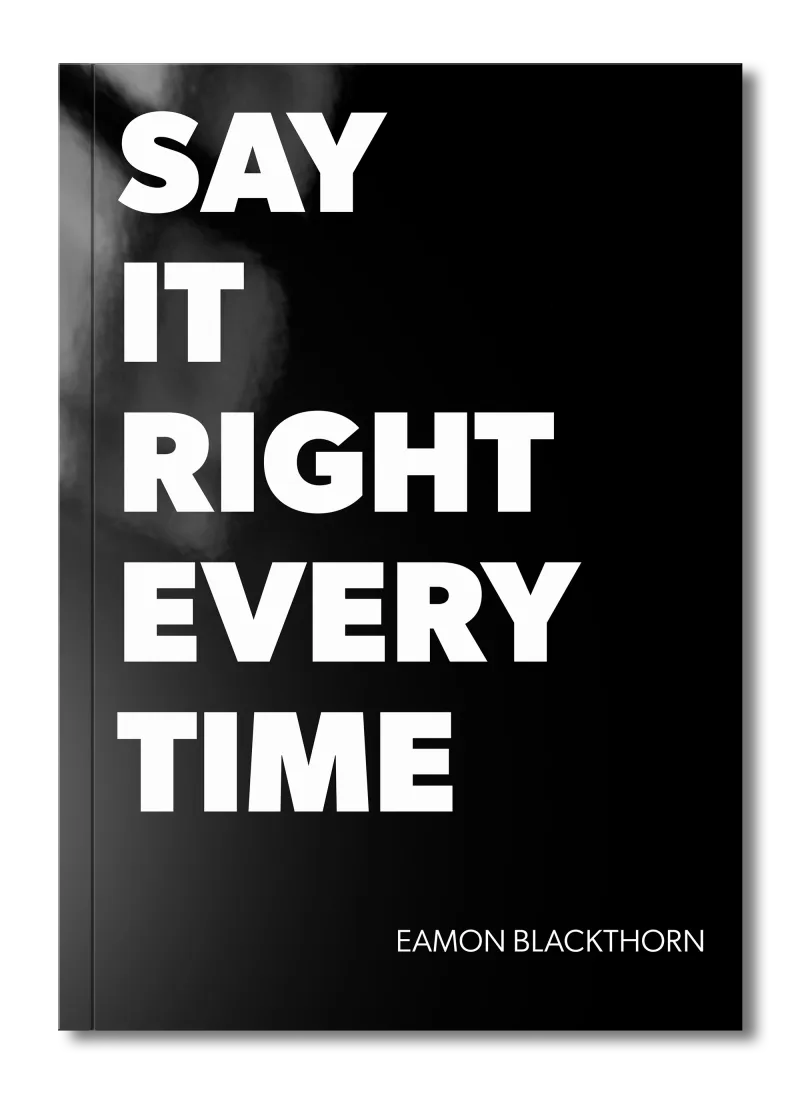
This is exactly the kind of scenario I break down in Say It Right Every Time. The chapter on framing covers how the words and images you put out before your main message determine how everything else gets heard. Most people obsess over the content of their argument. The real leverage is in what you plant in the listener's mind before the argument begins.
Never Be Lost
for Words Again
Get word‑for‑word scripts for the conversations that shape your life, from job interviews and negotiations to difficult talks with family and partners, so you always know exactly what to say and how to say it.
Never Be Lost
for Words Again
Get word‑for‑word scripts for the conversations that shape your life, from job interviews and negotiations to difficult talks with family and partners, so you always know exactly what to say and how to say it.
Key Takeaway
Before your next pitch or presentation, find one piece of evidence that other people have already said yes to what you are offering. A testimonial, a number, a name. Open with it. Put it on the first slide, say it in the first thirty seconds, or send it before the meeting starts. You are not bragging. You are framing. The crowd arrives before the speaker does.