What Happened
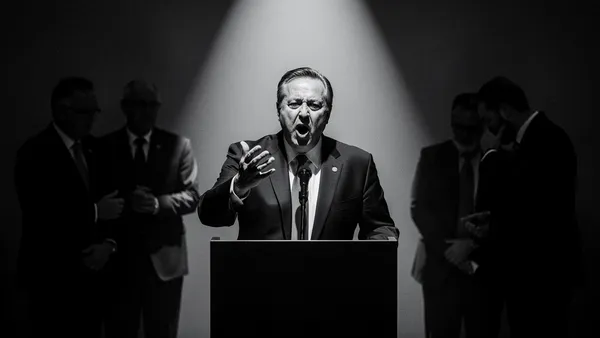
Delhi Chief Minister Arvind Kejriwal stood before a public crowd and leveled a direct charge: the BJP is weaponizing federal agencies to crush political rivals and hollow out democratic institutions. This was not a quiet press release. Kejriwal chose a live public address to deliver the accusation, putting his face and voice behind every word. The move was calculated, visible, and loud.
The Communication Angle
Here is the lesson: when you are on defense, go public or go home.
Kejriwal is under pressure. His party faces legal scrutiny. His government is contested. In that position, most politicians retreat into careful statements drafted by lawyers. Kejriwal did the opposite. He took the stage, named the enemy, and framed himself as the defender of democracy. That is not recklessness. That is smart communication under fire.
The technique he used is called "reframing." He did not stand up to answer charges. He stood up to make charges. He shifted the conversation from "what did Kejriwal do?" to "what is BJP doing to Kejriwal?" That pivot changes who is on trial in the public mind. It works because audiences follow whoever is driving the story. Kejriwal grabbed the wheel.
The public venue matters enormously. A press conference puts you across from journalists who will push back. A courtroom limits your language. But a public rally? That is your microphone, your crowd, your energy. Kejriwal chose the setting that gave him maximum emotional amplification and minimum interruption. Smart. Deliberate. Textbook crisis communication.
Here is where it gets complicated. The reframe only holds if you repeat it consistently and your supporters carry it forward. One speech is a spark. Without follow-through, coordination, and repetition across every spokesperson in your party, the frame collapses within a news cycle. If Kejriwal's allies contradict the message or go quiet, the accusation dies. The lesson for anyone in a high-stakes communication moment: your opening move sets the frame, but your follow-through locks it in.
Does this approach carry risk? Yes. Naming a powerful opponent directly invites retaliation. It raises the stakes. But staying quiet when you are being squeezed is the worst possible option. Silence reads as guilt. Aggressive, visible, public communication forces the other side to respond, and every response they give keeps your frame alive in the news cycle. You win by keeping the story moving on your terms.
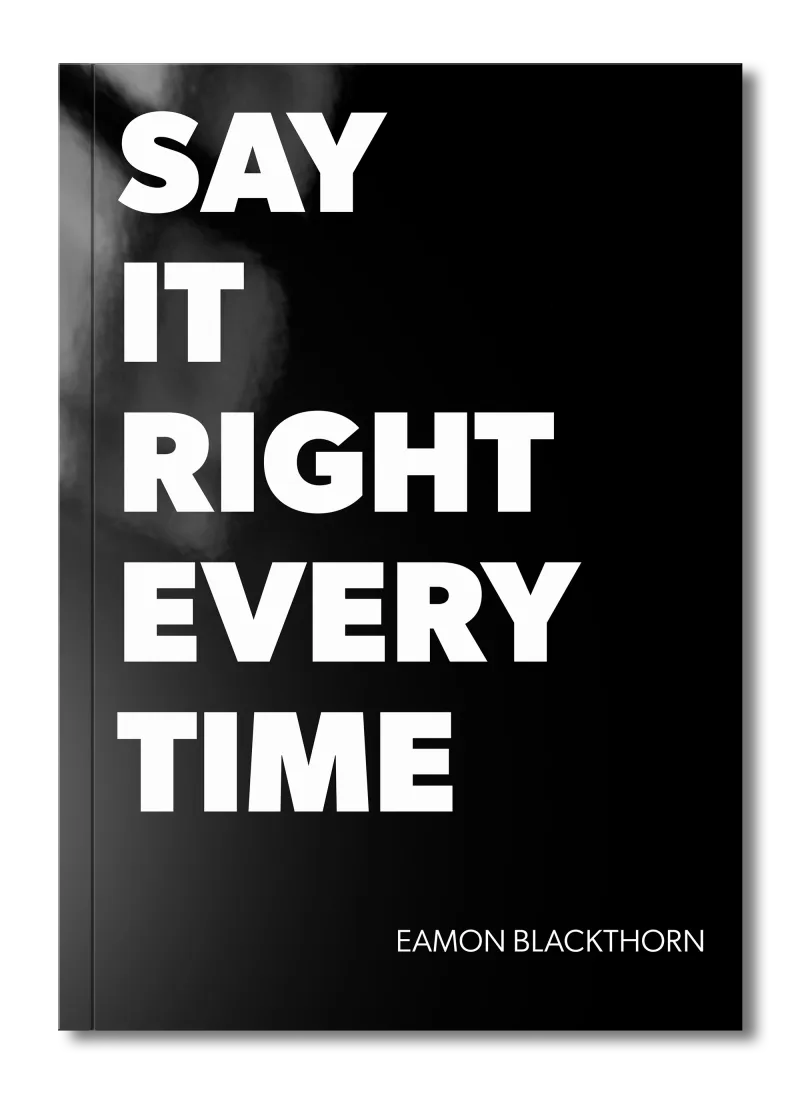
This is exactly the kind of scenario I break down in "Say It Right Every Time." The chapter on crisis framing gives you a step-by-step framework for flipping a defensive moment into an offensive one without sounding like you are dodging the question. Most people think crisis communication is about damage control. It is not. It is about controlling who sets the terms of the conversation. Kejriwal understood that instinctively. You can learn to do it on purpose.
Never Be Lost
for Words Again
Get word‑for‑word scripts for the conversations that shape your life, from job interviews and negotiations to difficult talks with family and partners, so you always know exactly what to say and how to say it.
Never Be Lost
for Words Again
Get word‑for‑word scripts for the conversations that shape your life, from job interviews and negotiations to difficult talks with family and partners, so you always know exactly what to say and how to say it.
Key Takeaway
Before your next high-stakes conversation or public statement, write down one sentence that answers this question: "Who is the real subject of this story?" If the answer puts you on defense, rewrite it until you are driving the narrative forward. Then deliver that sentence first, loudly, and build everything else around it.