What Happened
Several major brands have faced public meltdowns on social media in recent years, and the pattern is always the same. A post goes wrong, a response is delayed, and the silence gets filled by everyone except the brand itself. Business.com compiled a breakdown of the most damaging social media failures and what companies could have done to stop the bleeding before it became a flood.
The Communication Angle
Picture a brand manager on a Tuesday morning, coffee in hand, watching their company's latest campaign explode across the internet. Not in the good way. The mentions are multiplying. The tone is ugly. And somewhere in a conference room, a group of executives is debating whether to respond at all.
That moment of hesitation is where reputations die.
The brands that failed most spectacularly in these case studies share one trait: they treated social media like a broadcast channel. They pushed messages out and never built the muscle for pulling information back in. So when something went wrong, they had no system, no voice, and no instinct for how to respond. They defaulted to silence or, worse, issued a corporate non-apology written by someone who had clearly never met a real human being.
Here is the hard truth about social media crises: the public does not expect perfection. They expect honesty. When a brand goes quiet, the audience fills that silence with the worst possible interpretation. Every hour without a response is a vote of guilty. The brands that came out intact from these situations did one thing differently. They showed up fast, spoke plainly, and said exactly what they knew and what they did not yet know. That is not spin. That is just communication.
The other killer mistake is the passive apology. "We're sorry if anyone was offended" is not an apology. It is a legal deflection wearing a tie. It signals that you care more about liability than about the people you actually hurt. Audiences read that instantly. What works instead is the direct, specific acknowledgment: here is what happened, here is who it affected, here is what we are doing about it. Three parts. No filler.
The brands that learned from these failures built what I call a response rhythm. They designated a human voice, not a legal department, to speak first. They committed to a timeline. They followed up when they said they would. None of this is complicated. All of it requires discipline.
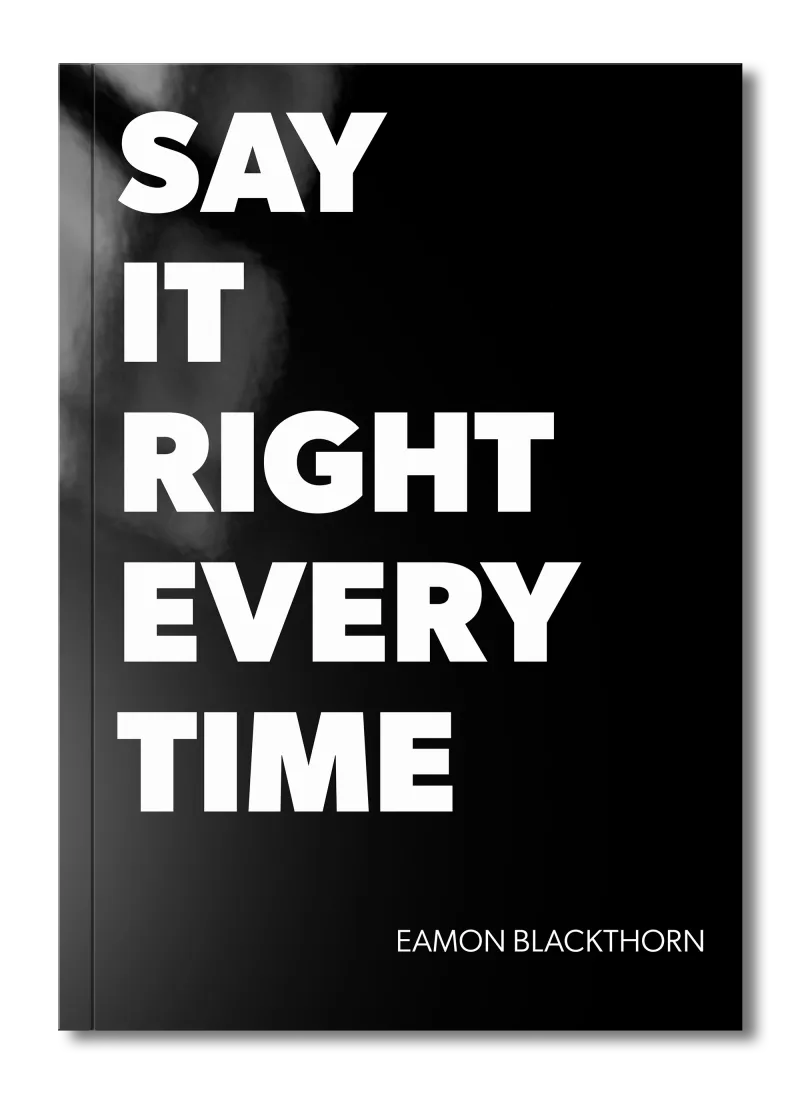
This is exactly the kind of scenario I break down in Say It Right Every Time. The chapter on high-stakes transparency gives you a framework for responding under pressure without sounding scripted or scared. Most people think they need better words in a crisis. They actually need a clearer structure. Get the structure right, and the words will follow.
Never Be Lost
for Words Again
Get word‑for‑word scripts for the conversations that shape your life, from job interviews and negotiations to difficult talks with family and partners, so you always know exactly what to say and how to say it.
Never Be Lost
for Words Again
Get word‑for‑word scripts for the conversations that shape your life, from job interviews and negotiations to difficult talks with family and partners, so you always know exactly what to say and how to say it.
Key Takeaway
Before your next social media post goes live, write down this one sentence: "If this post gets attacked publicly, the first thing we will say is..." If you cannot complete that sentence in plain language right now, the post is not ready to publish. That single preparation habit will do more for your brand's crisis readiness than any policy document ever will.