
What Happened
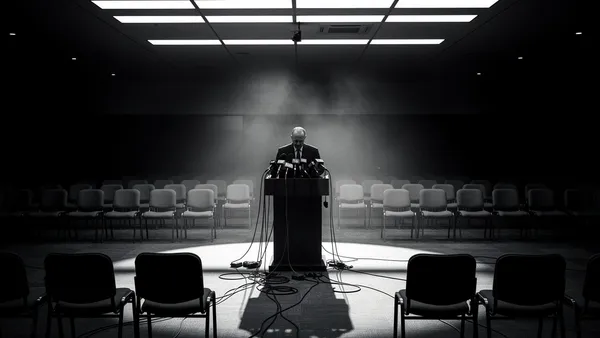
Malawi's Electoral Commission (MEC) is facing a credibility crisis after weeks of contradictory public messaging. The situation escalated when fiscal police visited the Commission's offices, adding a layer of institutional scrutiny to an already fragile public image. For an electoral body whose entire authority rests on public trust, the timing and optics could not be worse.
The Communication Angle
Here is the core problem: MEC is reacting instead of leading. Every statement they make arrives after the damage is done, shaped by the last crisis rather than by a clear, consistent position. That is not communication. That is firefighting with a leaky hose.
Credible institutions do not wait to be defined by events. They define themselves first. MEC had weeks, possibly months, to establish a firm communication posture ahead of elections. Instead, they allowed the narrative to be written by observers, critics, and now fiscal police visits. When you cede control of your story, you do not get to complain about the version people believe.
The mixed messaging is the tell. When an organization sends contradictory signals, it is almost never a messaging problem. It is a leadership alignment problem wearing a messaging costume. Someone at the top of MEC is either not deciding, not communicating internally, or not enforcing a unified line. The public sees the symptom: confusion. The real disease is internal incoherence. Fixing the press release will not fix this.
Now look at the fiscal police visit. Whether that visit was routine or serious, it does not matter. Perception is what drives public behavior. MEC had exactly one job in that moment: get ahead of it. Issue a short, plain-language statement before the story ran. Acknowledge the visit. Explain what it was. Assert your operational independence without sounding defensive. They did not do that. So the story ran on someone else's terms, and MEC looked like an institution with something to hide.
That is the failure in one line: they chose silence at the worst possible moment. Silence is not neutral. In a credibility crisis, silence is confirmation.
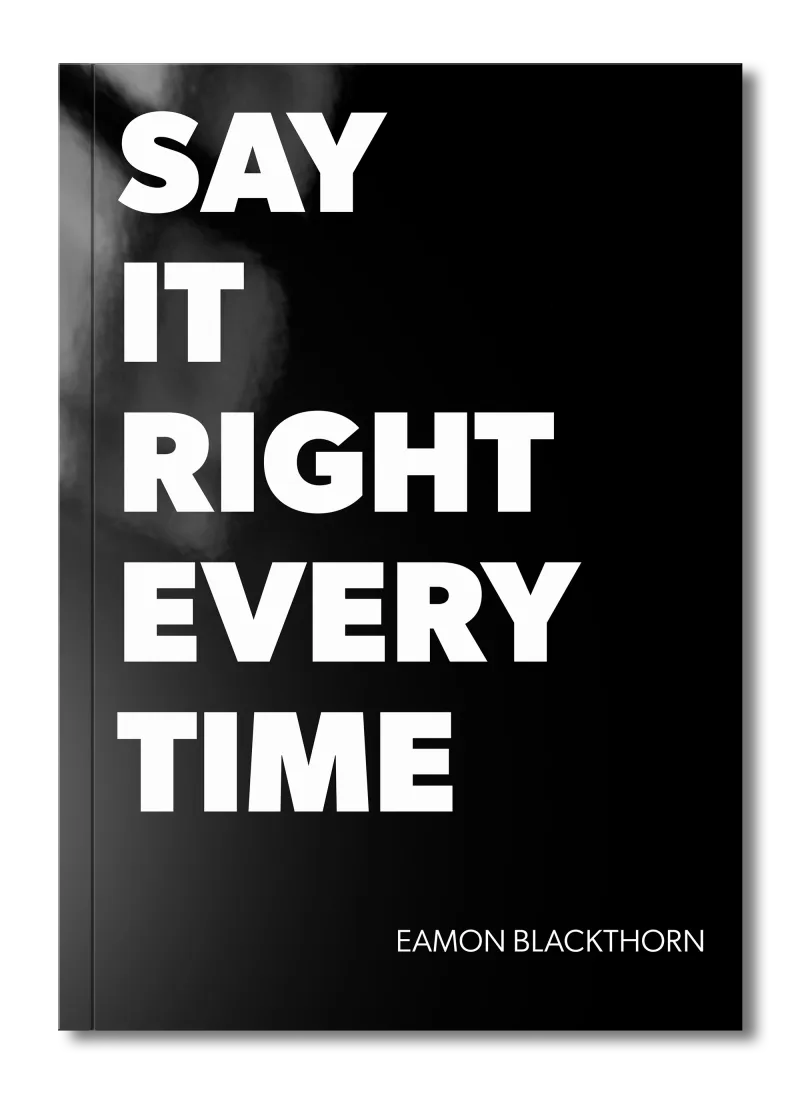
This is exactly the kind of scenario I break down in Say It Right Every Time. The chapter on crisis positioning gives you a framework for what I call "first voice advantage," the discipline of speaking first, speaking plainly, and owning the frame before someone else does. Institutions that master this do not avoid crises. They just never let a crisis define them.
Never Be Lost
for Words Again
Get word‑for‑word scripts for the conversations that shape your life, from job interviews and negotiations to difficult talks with family and partners, so you always know exactly what to say and how to say it.
Never Be Lost
for Words Again
Get word‑for‑word scripts for the conversations that shape your life, from job interviews and negotiations to difficult talks with family and partners, so you always know exactly what to say and how to say it.
Key Takeaway
Before your next high-stakes public moment (a difficult announcement, a media inquiry, a visible institutional event), write one sentence that answers this: "What is the single thing we need the public to believe after this?" Then make every communication decision subordinate to that sentence. Not your defense, not your explanation, not your grievances. One belief. Build toward it. MEC needed the public to believe they were independent and in control. Every choice they made pointed somewhere else.