
What Happened
ArcBest posted a standout second quarter, with its asset-based division showing a 650 basis point improvement that caught analysts off guard. CEO Seth Runser stepped forward to explain the results publicly, walking through market signals, logistics strategy, and the company's move toward brand consolidation and a new digital platform. The company is leaning hard into its century-old legacy while repositioning for modern freight demands.
The Communication Angle
Here is the question nobody asks when a company beats expectations: why does the CEO still need to be a good communicator when the numbers speak for themselves?
Because numbers never speak for themselves. That is the illusion executives fall into constantly.
Seth Runser did something right here, and it deserves examination. He did not just present results. He unpacked the reasoning behind the results. That is a critical distinction. When a leader explains market demand signals in plain language, connects them to operational decisions, and then ties those decisions to outcomes, they are building credibility for the next quarter, not just this one. They are saying: we understand what we are doing and why. That is a fundamentally different message than "here are our numbers, aren't they great."
The brand consolidation move is also worth noting from a communication standpoint. Collapsing multiple brands into one unified identity is a story about clarity. It tells customers, employees, and investors that the company is done confusing people. But consolidation only works if the leader can articulate what the new unified brand stands for. If Runser used this earnings call to define that identity in concrete terms rather than corporate filler like "integrated logistics solutions," he was doing the hard work that most executives skip entirely. The phrase "100-year legacy" is smart but only if it is anchored to something specific. Legacy without proof is just nostalgia.
The digital platform announcement follows the same rule. Leaders routinely announce technology initiatives and then describe them in terms of features. Features do not move people. Outcomes do. The right move is always to say what changes for the customer, the driver, the dispatcher. Not what the platform does, but what it solves.
Runser's willingness to walk through demand signals publicly also demonstrates something I consider non-negotiable for top executives: transparency about your thinking process, not just your conclusions. Showing your work builds trust faster than any polished result ever will.
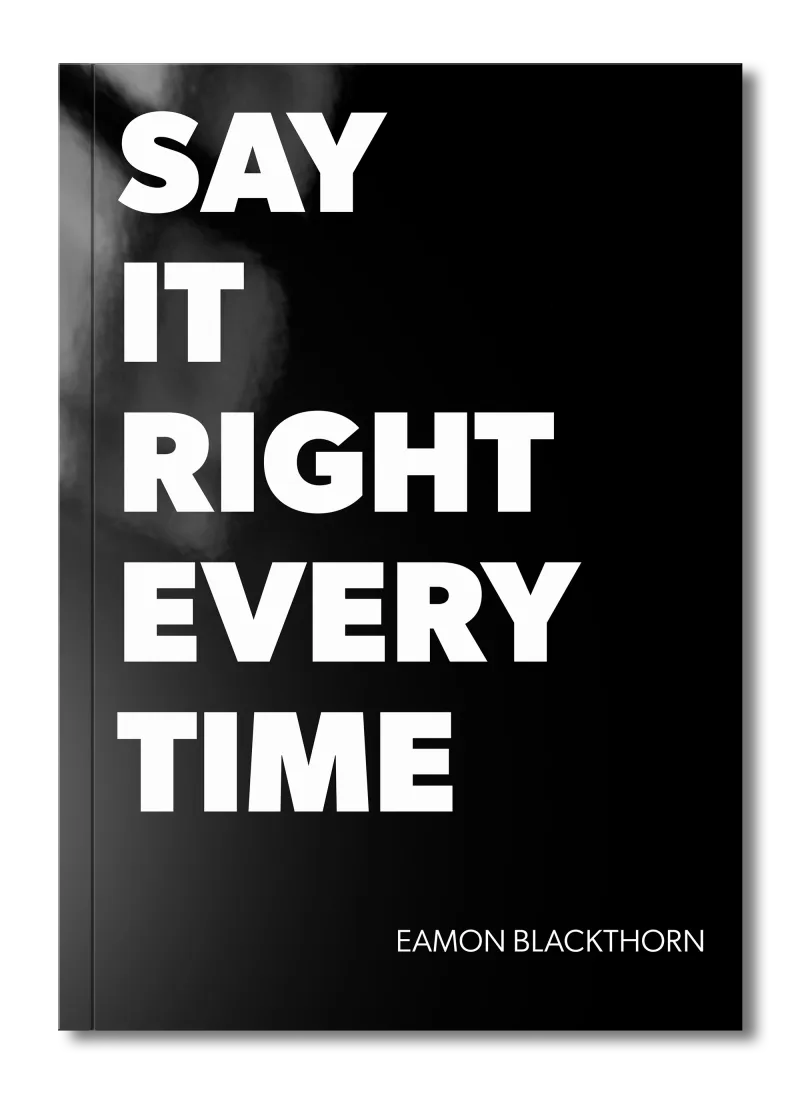
This is exactly the kind of scenario I break down in Say It Right Every Time. The chapter on "Leading with Logic" gives you a framework for sequencing your communication so that conclusions land with weight because you have already built the case beneath them. Most leaders reverse the order and then wonder why their results do not generate the confidence they expected.
Never Be Lost
for Words Again
Get word‑for‑word scripts for the conversations that shape your life, from job interviews and negotiations to difficult talks with family and partners, so you always know exactly what to say and how to say it.
Never Be Lost
for Words Again
Get word‑for‑word scripts for the conversations that shape your life, from job interviews and negotiations to difficult talks with family and partners, so you always know exactly what to say and how to say it.
Key Takeaway
Before your next earnings call, investor update, or team performance review, write down three things: the result, the decision that caused it, and the signal you read that led to the decision. Then present all three in that order. Do not lead with the number. Lead with the signal. It proves you are not lucky. It proves you are paying attention.