
In Short
Lighting conditions shape how your eye contact is read, often more than the eye contact itself. Poor light can make steady, confident gaze look evasive. It can make genuine attention look like distraction. And it operates invisibly, so neither you nor the person across from you realises what is happening.
- Overhead light casts shadows that make open eyes appear narrowed or averted.
- Backlighting wipes out facial detail, making any gaze unreadable.
- Virtual meeting setups frequently position people in exactly the wrong light, and most never check.
Eye contact perception is the process by which others interpret the meaning and intent of your gaze during an interaction. In meetings and events, it is shaped not only by where you look, but by how clearly your eyes can be seen, which depends heavily on the quality and direction of the available light.
When the Room Works Against You
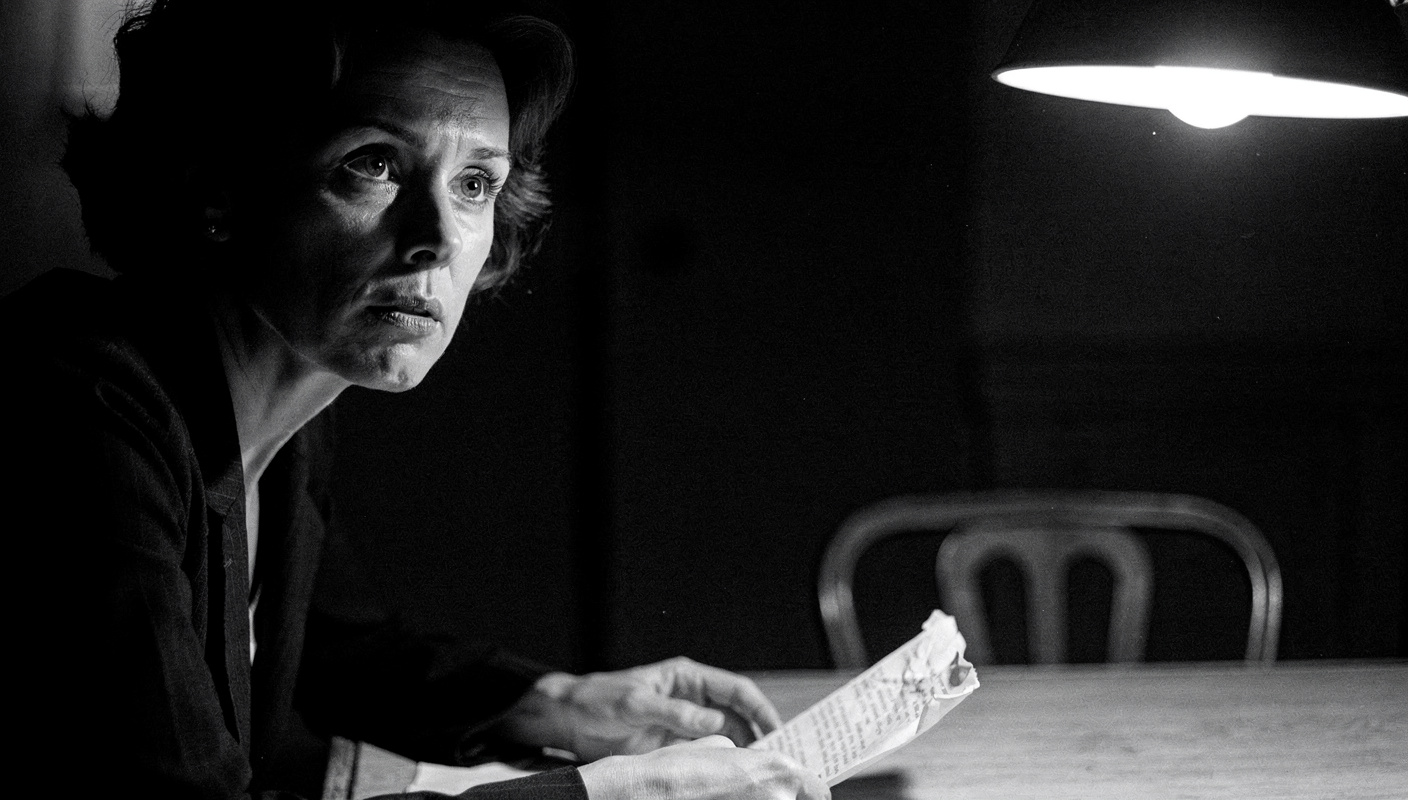
I once watched a senior manager lose the confidence of her team in a single presentation. She was prepared. She was direct. She held her gaze on the group throughout. But the spotlight above her cast a deep shelf of shadow across her eyes, and from where the team sat, she looked like she was staring past them, not at them. Nobody named the problem. They just felt uneasy.
Eye contact perception, the way your gaze is interpreted by others, is one of the most powerful signals in any meeting or event. Most people understand that. What most people miss is that the physical environment shapes that signal before it ever reaches another person. Light, or the wrong kind of it, can quietly rewrite everything your eyes are trying to say.
The signs that lighting is distorting your gaze are genuinely easy to miss. They do not arrive as a clear complaint. They arrive as faint distance, reduced trust, a sense that the room never quite came with you. By the time you notice it, the perception has already formed. This article helps you spot those signs early.
For a broader view of how nonverbal signals shape what happens in a meeting room, The Role of Communication in Meeting Success is worth reading alongside this one.
"The Conversation You're Avoiding Is the One You Need to Have."
"The Conversation You're Avoiding
Is the One You Need to Have."
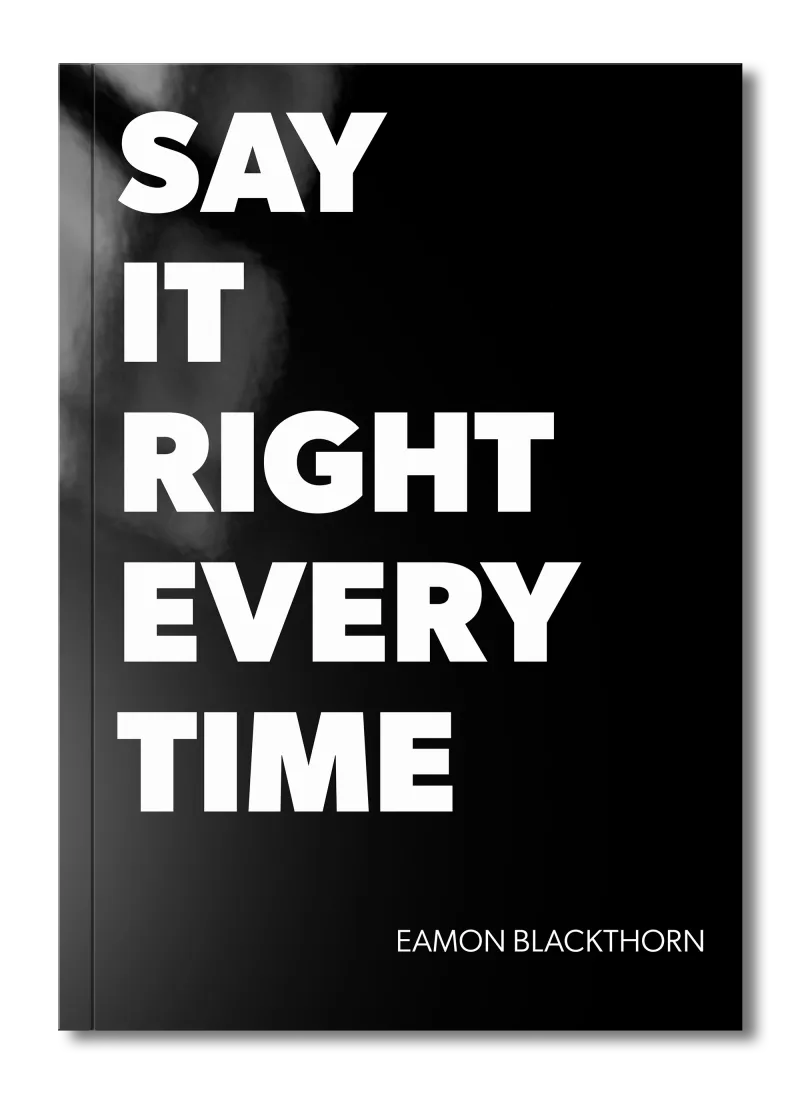
Stop rehearsing conversations you'll never have. Say It Right Every Time gives you 115 word-for-word scripts and 16 proven frameworks to speak with confidence in every conversation that matters.
Why These Signs Go Undetected for So Long
Lighting problems do not announce themselves. Nobody leaves a meeting and says, "The overhead fixture undermined your credibility." They just carry a vague impression: something was off. You seemed distracted. There was a flatness to the conversation that nobody can fully explain.
That vagueness is exactly why this particular set of problems persists. When feedback is absent, people keep doing what they have always done. They prepare their content. They practise their arguments. They work on their posture and their presence. But they never check the light.
The issue compounds in virtual settings, where most people are even less aware of how they appear on screen. You see yourself in a small thumbnail. Others see you at full size, with every shadow magnified.
Six Signs That Lighting Is Distorting Your Eye Contact
1. People Keep Asking You to Repeat Yourself
What it looks like: You complete a point clearly, and someone asks you to clarify what you meant or whether you finished your thought.
Why it happens: When your eyes are not clearly visible, people lose the secondary signals that tell them you are engaged and present. They compensate by talking more, which means they half-listen. The clarifying question is often not about the words; it is about the connection they never felt.
Why it matters: Repeated requests for clarification slow the room and quietly position you as unclear, even when your thinking is sharp.
What to do: Before your next meeting, check whether a viewer can see your eyes easily. Ask a colleague to confirm on a quick video call, or record yourself for 30 seconds and watch it back.
I have sat through meetings where a perfectly clear speaker was treated as vague. The lighting in the room made them look absent. The room interpreted that absence as confusion.
2. Your Video Presence Reads as Disengaged on Camera
What it looks like: People on a call describe you as hard to read, or they talk over you more than they do others.
Why it happens: Most laptop cameras sit below eye level. Most home and office lighting comes from above or behind. The combination produces a face that is shadowed from the top and bright from behind, placing your eyes in the dimmest part of the frame.
Why it matters: In virtual meetings, gaze is the only nonverbal signal with real weight. When your eyes disappear into shadow, everything else collapses with them. Best Practices for Virtual Meeting Communication covers this environment in fuller detail.
What to do: Position a lamp directly behind your screen, at roughly eye level. This single change lifts shadow from your face and makes your eyes visible and readable.
After decades of getting this wrong, I now treat lighting as the first thing I check before any virtual call, not the last.
3. Confident Eye Contact Reads as Suspicious or Guarded
What it looks like: You maintain direct, steady gaze. But the feedback you receive, or the room's energy, suggests people found you intense or hard to trust.
Why it happens: This is the counterintuitive one. Overhead lighting creates a shadow ridge below the brow bone. When your eyes are partially shadowed, steady eye contact does not read as confident; it reads as narrowed and guarded. The shadow implies a squint that does not exist.
Why it matters: You are doing the right thing behaviourally. Lighting is betraying you. And because your intent was strong, you are unlikely to look for an environmental cause.
What to do: In rooms with fixed overhead lighting, position yourself so a window or secondary light source faces you. Even a small shift brings light to the front of your face and opens the appearance of your gaze.
This much I know for certain: the room you choose is a communication decision.
4. You Consistently Lose Attention at a Particular Point in Presentations
What it looks like: People engage well early, then drift. There is no change in your content or delivery, but the room shifts.
Why it happens: Presentation setups often use projection or strong spotlighting that creates a bright field behind you and a shadow field in front of your face. As you move around or look at your slides, your eyes move out of whatever limited light existed. The audience loses visual contact, and attention drifts with it.
Why it matters: Eye contact perception in group settings depends on the audience feeling seen, not just the speaker seeming to look. When your eyes disappear, the reciprocal connection breaks.
What to do: Walk the room before people arrive. Stand in the spot where you will present. Look toward the audience and check whether your face is lit or shadowed from their angle. Adjust your position, or ask the venue to repoint a light source.
5. You Feel You Are Making Strong Eye Contact But People Say Otherwise
What it looks like: You know you looked at the other person. You felt the connection. But afterward, they mention you seemed distracted or distant.
Why it happens: Glare is the culprit here. In rooms with glass walls, white screens, or highly polished surfaces, reflected light hits your eyes from the front. Your pupils constrict. Your eyes lose the open, soft quality that communicates warmth. You are looking directly at someone, but your eyes look strained and narrow to them.
Why it matters: The effort you are making is invisible. The physical effect of the glare is not. For how nonverbal signals interact with tension specifically, Nonverbal Communication in Tense Situations covers this well.
What to do: If you notice yourself squinting or straining to see in a bright room, reposition 90 degrees. Face the window or bright surface at a sideways angle rather than head on.
6. Your Eye Contact in High-Stakes Meetings Lands Differently Than in Casual Ones
What it looks like: In informal conversations you build connection easily. In formal meeting rooms you feel flat and struggle to land your gaze.
Why it happens: Formal meeting rooms are typically lit for the room, not for faces. Long fluorescent strips overhead create flat, downward light. Informal settings often use warmer, more ambient light that illuminates faces evenly. The biological response to warm, even light is openness; the response to flat overhead light is a subtle closing of the features.
Why it matters: If you write off this performance gap as nerves or stakes, you will keep treating the wrong problem. The difference may be almost entirely environmental.
What to do: Arrive early to formal meetings. Choose a seat where natural light faces you, or sit adjacent to a lamp rather than directly under an overhead strip. This is a preparation move, not a signal of anxiety.
7. Dominant Voices in the Room Receive Attention While You Are Overlooked
What it looks like: When you speak, the group does not fully orient toward you. Others, perhaps louder or more central in the room, hold gaze even when you are talking.
Why it happens: People orient toward faces they can read. If your face is poorly lit and another speaker is well lit, the group's eyes go where the information is clearest. Your voice may be heard, but your gaze never lands, and without eye contact perception, authority diffuses.
Why it matters: Connection and credibility in a group setting depend partly on being seen. If you are consistently the poorly lit person in the room, your influence erodes over time. How to Deal with Dominant Voices in a Discussion addresses the dynamics of group attention in more detail.
What to do: Treat seat selection as a strategic choice. Choose positions where the primary light source is in front of you, not above or behind you.
The Root Cause Running Through All of This
Here is the truth of it. Every one of these signs shares a single cause: the environment was designed for the room, not for communication.
Most meeting rooms, event spaces, and virtual setups are lit for visibility of furniture and surfaces. They are not lit for human faces. Nobody set out to undermine your eye contact. The lighting engineer was thinking about lumens and energy costs. The architect was thinking about aesthetics. Your gaze was not part of the brief.
The result is a systematic mismatch between the environment and the nonverbal signals that communication depends on. When people feel vaguely disconnected after a meeting, they blame chemistry or content. The cause is often simpler: nobody in that room could clearly see anyone else's eyes.
You can address this. But you have to first believe the environment is your responsibility, not just the host's.
How to Diagnose Your Own Lighting in Any Setting
Read each statement and mark it yes or no before your next significant meeting or event.
- I can see my eyes clearly when I look at my reflection or screen thumbnail in this setting.
- A window or lamp is positioned to face me, not behind me.
- I am not squinting or straining to see clearly from where I sit.
- My face is in the brightest part of the room, not the dimmest.
- If this is a virtual call, my camera sits at or near eye level.
- I have checked how I look from the other person's angle, not just my own.
- I arrived early enough to choose or adjust my position.
Score: 6 or 7 yes answers: your lighting is working for you. 4 or 5: there is one adjustment worth making before you start. 3 or fewer: your eye contact is being interpreted through a distorted frame, and effort alone will not fix it.
Your First Move Toward Getting This Right
You do not need to overhaul every meeting you attend. Start with your next virtual call. Thirty minutes before, position a lamp behind your screen at eye level. Record ten seconds of yourself on your phone. Watch it back. Look at whether your eyes are clear, open, and readable.
That one check will teach you more than any description can. It will also give you a reference point: this is what good lighting feels like. Now you can replicate it elsewhere.
For tense interactions specifically, where eye contact perception carries even higher stakes, How to Use the C.O.R.E. Framework to Stay Grounded During a Tense Workplace Conversation and How the 3-Second Pause Stops Tension Escalation in the Moment It Matters Most offer grounding tools that pair well with the environmental adjustments here.
If you work with colleagues who struggle to cooperate in difficult conversations, How to Use the D.E.A.L. Method to Defuse Tension Between Two Colleagues Who Refuse to Cooperate provides a clear method for those moments.
The environment shapes the message. Eye contact perception is not just about where you look. It is about whether the light allows what you mean to reach the person across from you. Fix the light, and your gaze finally gets to speak for itself.
Frequently Asked Questions (FAQ)
What is eye contact perception in meetings?
Eye contact perception is how others interpret the meaning and intent of your gaze during face-to-face or virtual interactions. In meetings, it shapes whether you are read as confident, engaged, or trustworthy. Poor lighting conditions can distort this perception even when your intent is strong and your effort is genuine.
How does lighting affect eye contact perception in professional settings?
Lighting determines how clearly others can see your eyes, read your expression, and interpret your gaze. Overhead glare, backlighting, and dim ambient light all obscure the eyes in different ways, causing your eye contact to register as evasive, distracted, or insincere even when none of those things are true.
Why does eye contact perception break down in video meetings?
In video meetings, screen brightness and camera position create backlighting and shadow that hide the eyes. The camera rarely sits at eye level. When you look at the screen rather than the lens, the viewer sees you looking slightly away, which reads as disengagement regardless of how attentive you actually are.
Can poor lighting make confident eye contact look shifty or evasive?
Yes, and this is the most misunderstood problem. Overhead lighting casts shadows under the brow that make the eyes appear narrowed or averted. A person holding steady, confident eye contact can read as suspicious or guarded simply because of where the light source is positioned in the room.
What is the single fastest fix for eye contact perception in a virtual meeting?
Move your primary light source to face you directly, at eye level or slightly above. A lamp or ring light positioned behind your screen will eliminate shadow from your face and make your eyes clearly visible. This one adjustment changes how your gaze reads to every person on the call.
How do I know if lighting is harming my eye contact signals in a meeting?
Ask a trusted colleague to watch a recording of you in a video meeting and describe what your eyes communicate. If they report distraction, distance, or uncertainty, the cause is often lighting rather than behaviour. Check whether your eyes are clearly lit and whether the camera sits at or near eye level.