
In Short
Eye contact grief conversations demand more from your gaze than everyday talk does. Looking away when someone is bereaved is never neutral: it reads as withdrawal. A steady, soft gaze is one of the most powerful signals of presence you can offer, often more honest than anything you could put into words.
- Sustained eye contact tells a grieving person their pain is being witnessed, not avoided.
- Looking away communicates discomfort, even when you mean no harm by it.
- The quality of your gaze, soft and still rather than hard and searching, is what makes it feel like safety rather than pressure.
Eye contact grief communication is the deliberate use of gaze to signal presence, empathy, and emotional safety during bereavement conversations. It is the nonverbal act of holding another person's pain in your attention through where and how you look, without words, without flinching, and without looking away.
When I think of the conversations that changed something in a grieving person, they rarely involved the right words. They involved someone who simply did not look away. That steadiness, that willingness to hold another person's gaze when everything in the room is heavy and unsaid, turns out to be one of the most significant things you can do in the presence of loss.
Most people understand, at some level, that eye contact matters in difficult conversations. What they do not fully understand is why it matters so much more in grief, or what the gaze is actually doing in those moments, or why their instinct to look somewhere safer is precisely the wrong move. Eye contact during grief conversations operates differently than in any other context. The stakes are different. The signals are different. The consequences of getting it wrong are felt long after the conversation ends.
This article examines what is actually happening when you meet, or avoid, the eyes of someone who is bereaved, and what that means for how you show up.
Why Gaze Carries a Different Weight in the Presence of Loss
In ordinary conversation, eye contact manages the flow of talk. You look to signal that you are listening, look away briefly while you think, return your gaze when you want a response. It is a rhythm, mostly unconscious, mostly mutual.
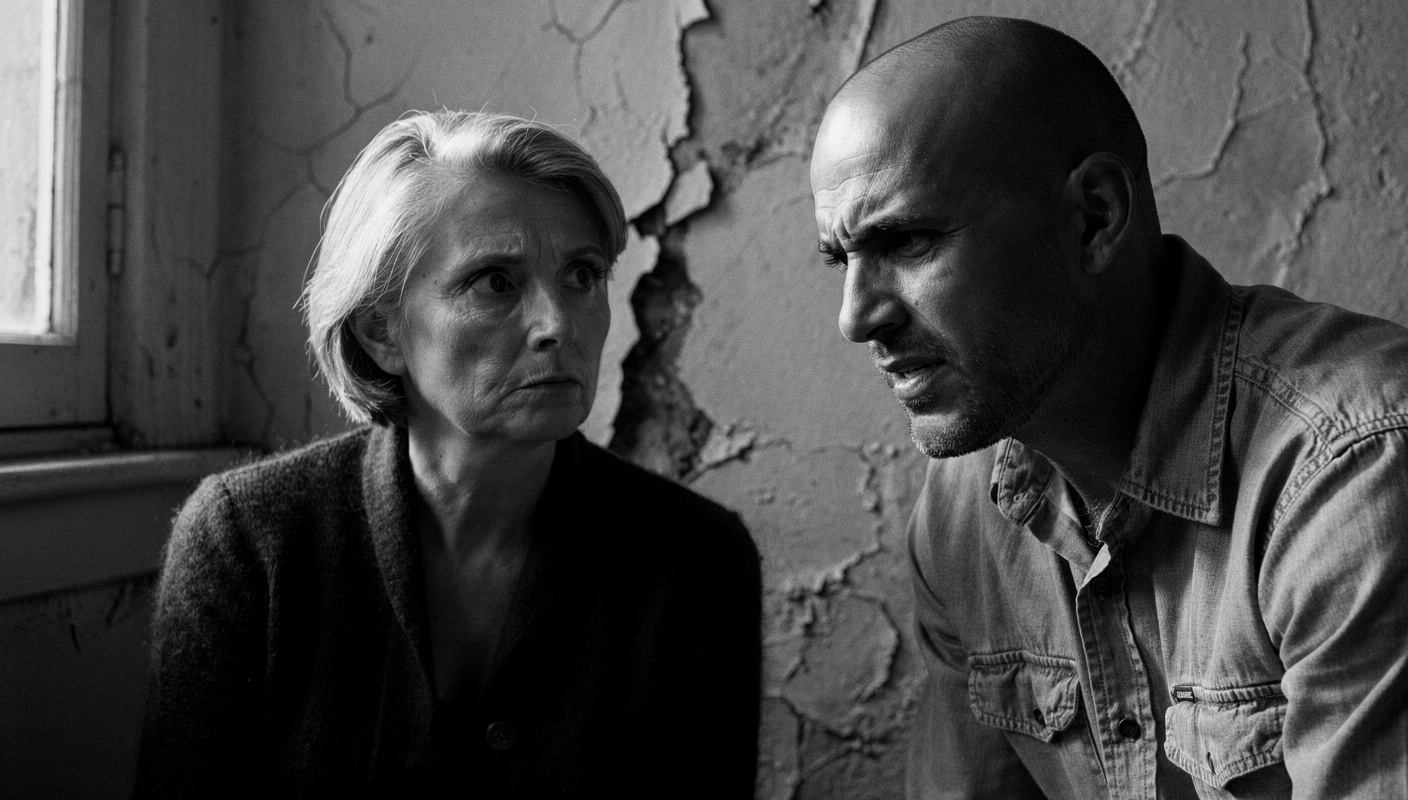
Grief breaks that rhythm entirely. When someone is deep in loss, they are not managing a conversation. They are surviving one. They are watching you closely, not to read your words, but to read whether you can bear to be there. Your eyes answer that question before your mouth does.
The bereaved person is acutely attuned to withdrawal. They have already experienced the worst kind of it: the absence of the person they lost. So when you look away, check your phone, glance at the floor, or let your eyes drift to the middle distance, they register it. Not always consciously. But the body keeps the score of who stayed and who turned away, and gaze is the primary measure of staying.
Eye contact in grief, then, is not about communication in the usual sense. It is about witness. It says: I see your pain. I am not leaving. I can hold this with you.
"The Conversation You're Avoiding Is the One You Need to Have."
"The Conversation You're Avoiding
Is the One You Need to Have."
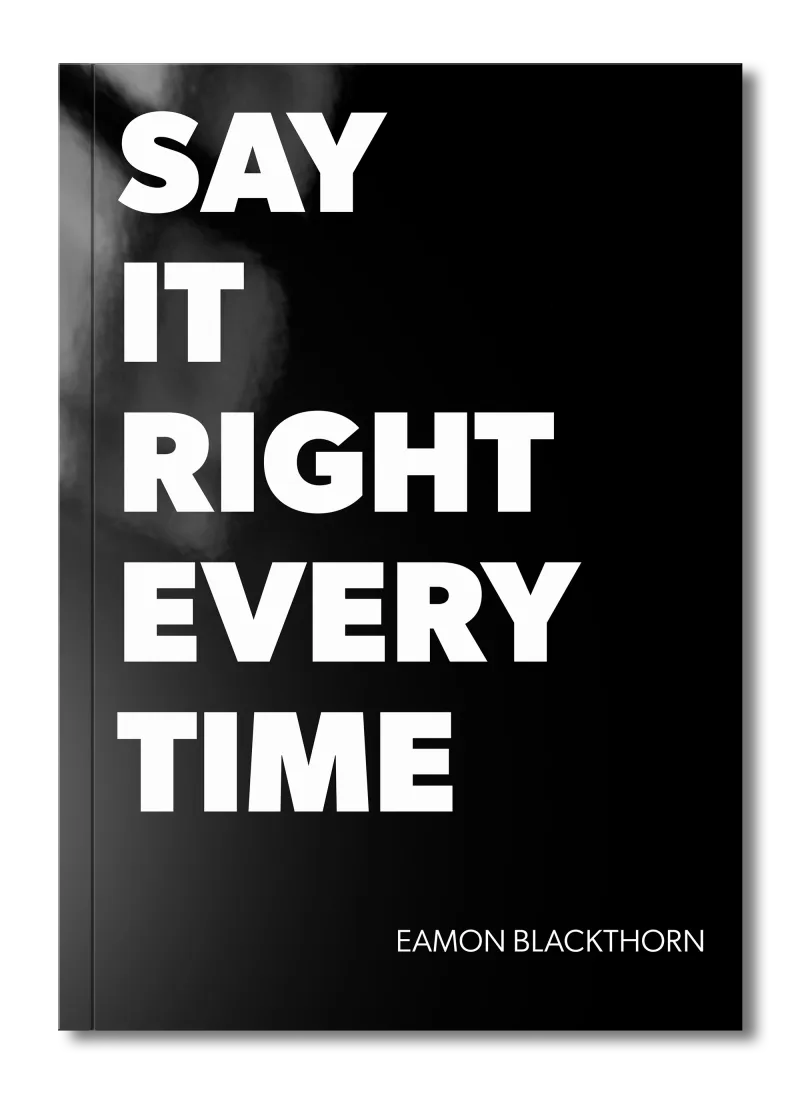
Stop rehearsing conversations you'll never have. Say It Right Every Time gives you 115 word-for-word scripts and 16 proven frameworks to speak with confidence in every conversation that matters.
What Your Eyes Are Actually Signalling When Someone Is Bereaved
There are two distinct gaze patterns that matter here, and they produce completely different effects on the grieving person.
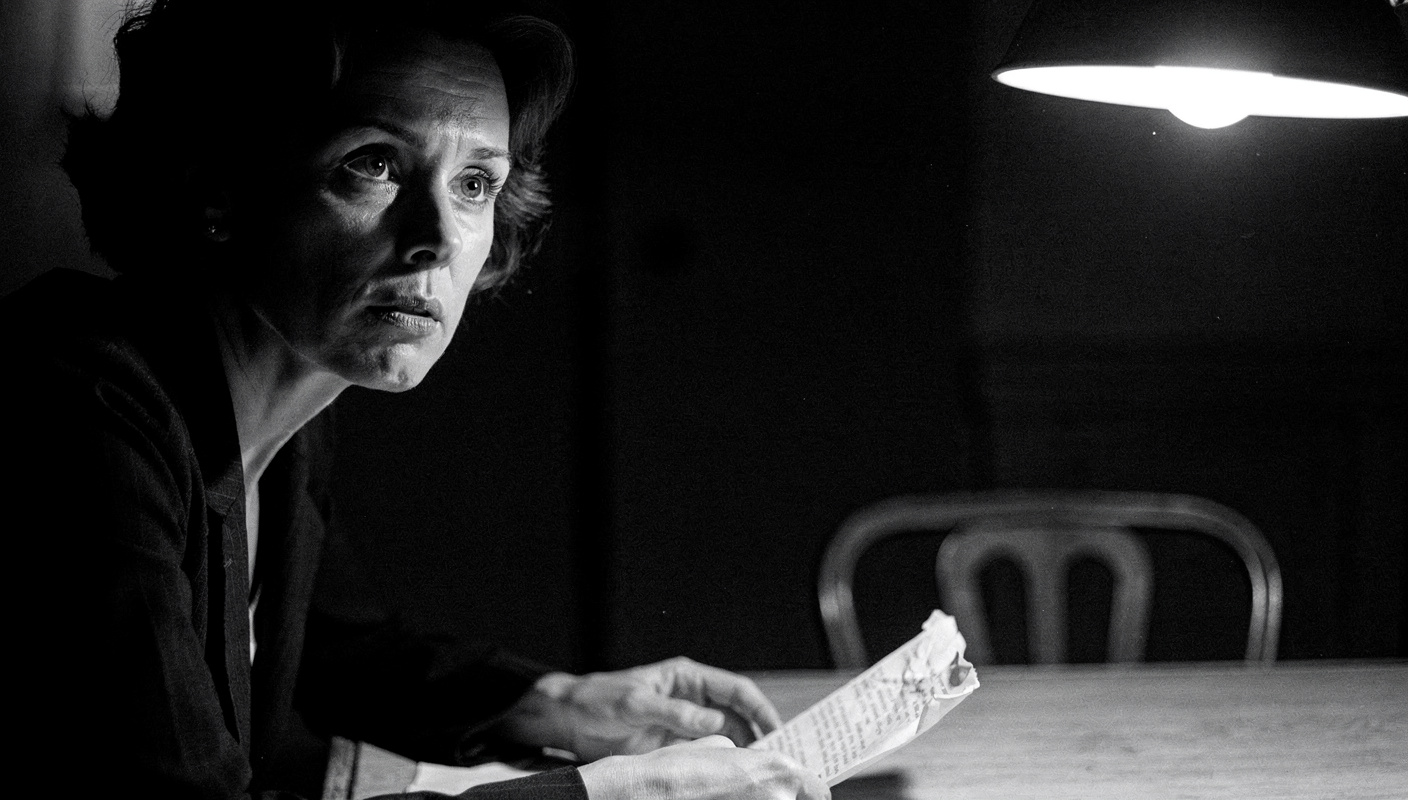
The first is sustained, soft gaze. Your eyes are steady, slightly heavy-lidded, warm rather than wide. You hold their face, not their pupils specifically, but their whole presence. You do not stare with the hard focus of analysis. You look the way you would look at someone you love who is sleeping. This kind of gaze communicates safety. It tells the other person they do not have to manage themselves for you. It grants them permission to cry, to trail off, to sit in silence, without worrying that you are uncomfortable.
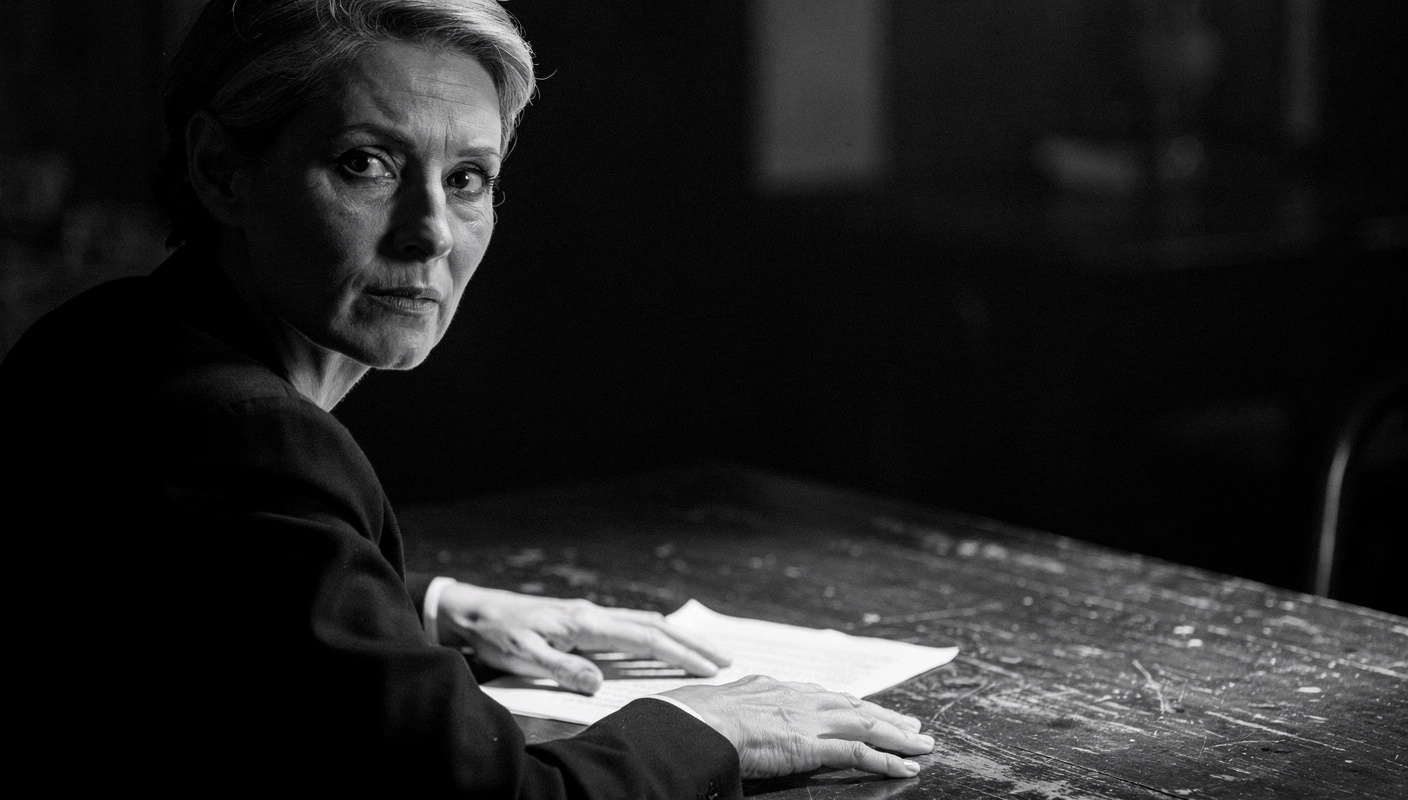
The second is averted gaze. Eyes that drop to the table, drift to the window, or skate quickly off the person's face. This pattern signals anxiety, and the grieving person reads it immediately. They do not think: he is just uncomfortable. They feel: my pain is too much. I am alone in this. That feeling of isolation, in a moment already defined by loss, is genuinely harmful.
Here is the truth of it: most people who avert their gaze during grief conversations are not being unkind. They are overwhelmed. They do not know what to say, and looking away is the body's instinctive attempt to buy time. But the effect lands regardless of the intention. In nonverbal communication, impact outweighs intent every time. If you want to understand how discomfort escalates in difficult conversations at a deeper level, Nonverbal Communication in Tense Situations explores the mechanics of how body language reads under pressure.
The Moment Most People Get Wrong
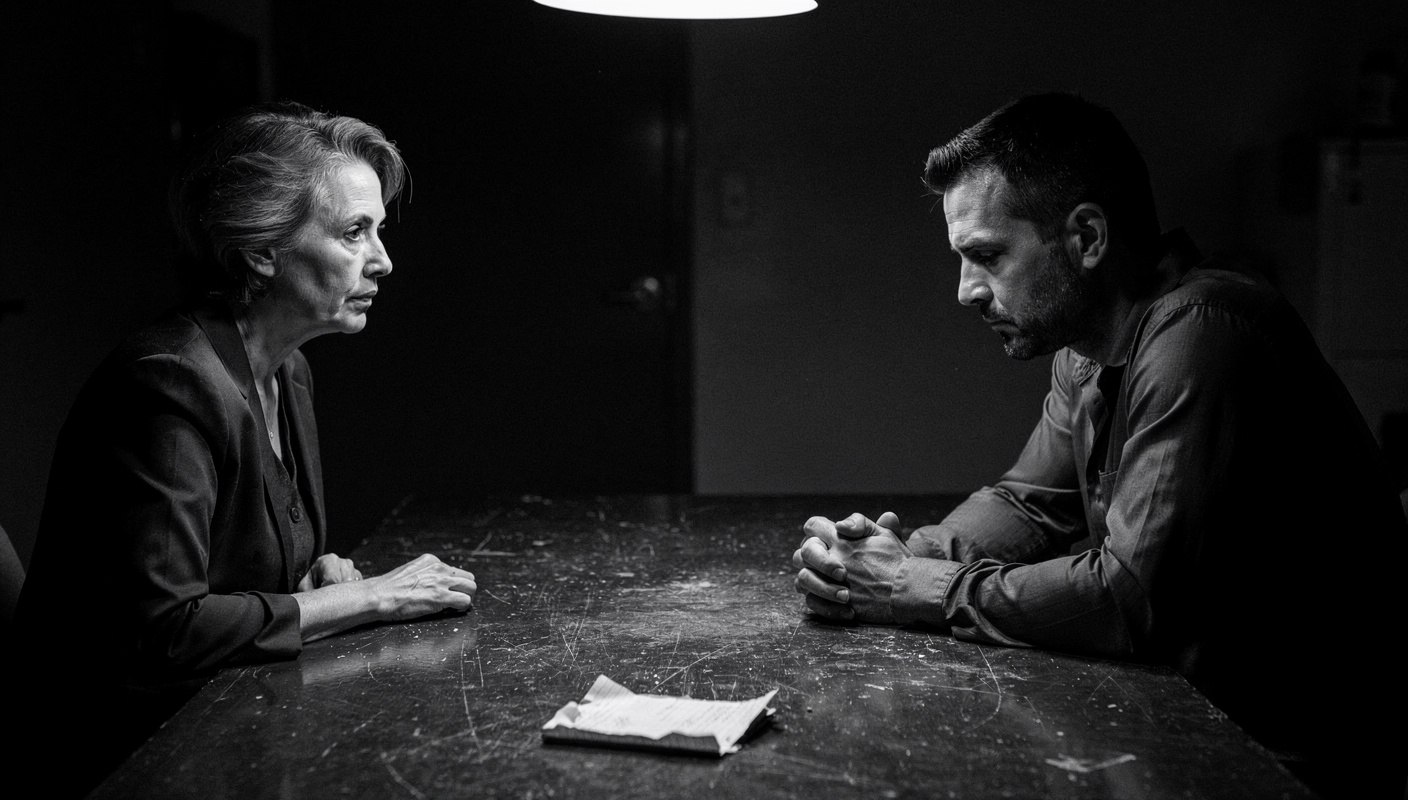
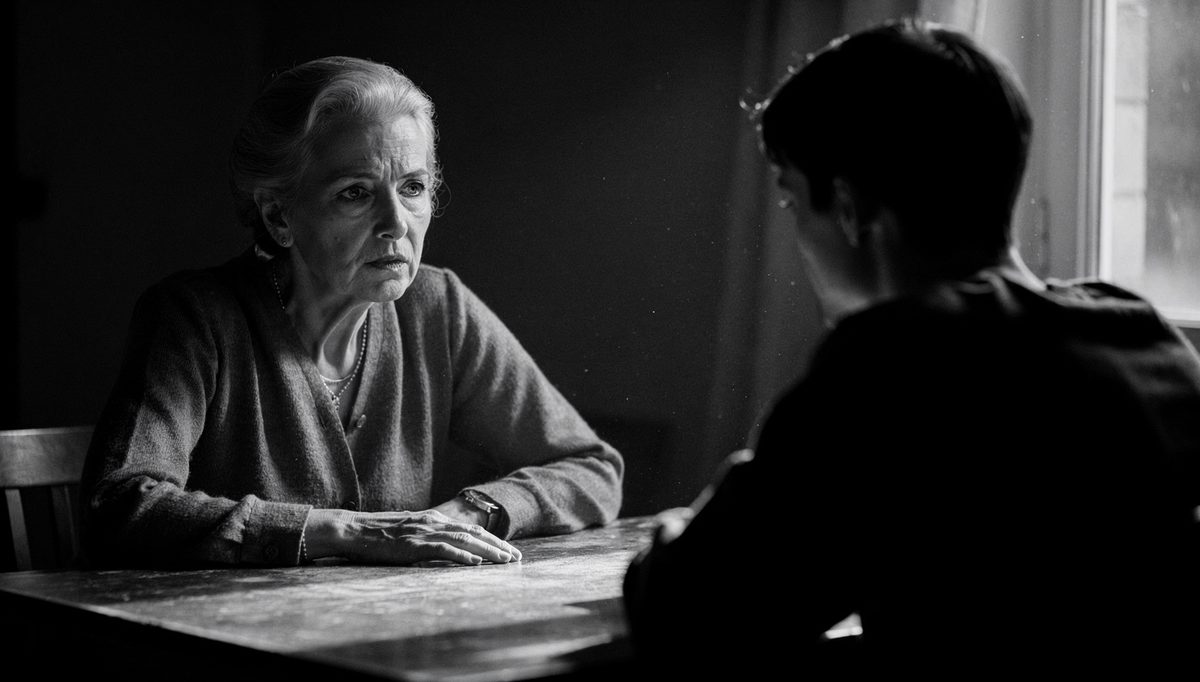
Picture this. A colleague tells you their mother died three days ago. They say it quietly, looking at you. There is a pause, a long one.
Most people fill that pause by looking away. They look at their hands, at the desk, anywhere that is not the other person's face. The impulse feels respectful, like giving someone space. It is not. It is retreat.
That pause, that silence after someone names their loss, is the single most important moment in the whole conversation. What the bereaved person needs in that pause is for you to stay. To hold their gaze gently and not fill it with noise. To let the weight of what they said land between you without rushing to resolve it.
If you look away in that moment, even briefly, the other person will often move to comfort you. They will say something like: "Anyway, it is what it is," or "Sorry, I don't know why I told you that." They manage your discomfort because your gaze told them it needed managing. You will have reversed the direction of care.
The C.O.R.E. Framework for staying grounded in tense conversations offers a method for staying present when your instinct is to withdraw. The principle applies here too: grounding yourself physically helps you hold your gaze steady when everything in you wants to look somewhere easier.
The Quality of Eye Contact Matters as Much as the Presence of It
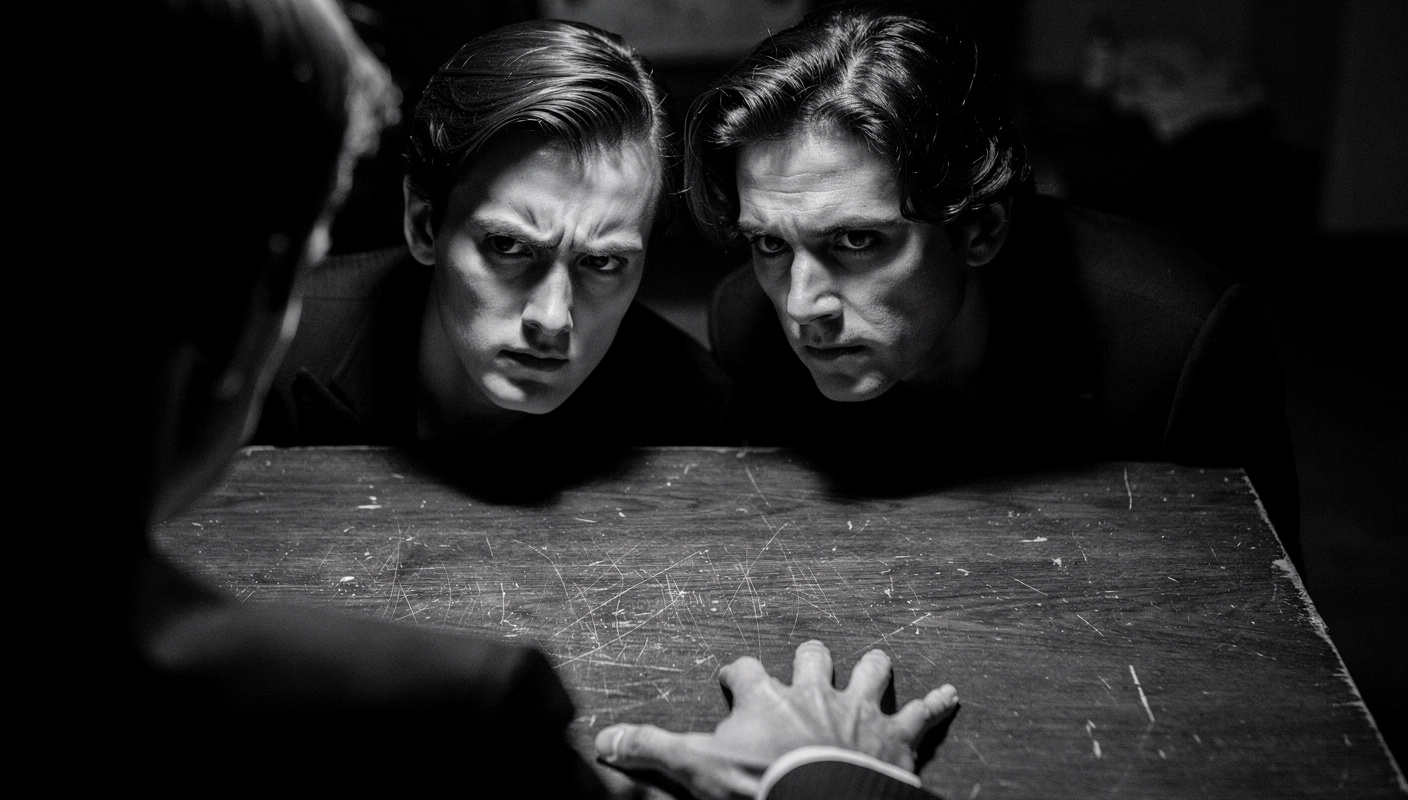
This is the part most people miss when they learn that gaze matters in grief. They overcorrect. They stare. They hold eye contact with a kind of fierce, unblinking intensity that is meant to signal solidarity but reads instead as pressure.
The person who is grieving now feels watched rather than witnessed. They feel a need to perform recovery for you, to say something articulate, to justify the emotion you are so visibly tracking. That is the opposite of what soft gaze creates.
There is a real difference between a hard gaze and a soft one, and you can feel it in your own body right now if you bring it to mind. A hard gaze is alert, searching, focused. A soft gaze is still, received, open. In grief conversations, you are not analysing the other person. You are simply being with them. Let that intention move from your thinking down into your eyes. The quality of the look changes when the purpose behind it changes.
Blinking normally helps. So does letting your face relax around the eyes. You are not trying to see something. You are simply refusing to look away.
When Looking Away Is the Right Call
There are moments in a bereavement conversation when sustained eye contact becomes too much, and a skilled communicator knows them.
When someone cries deeply, a brief, soft look downward can give them a breath of privacy without abandoning them. The key word is brief. You look down for two or three seconds, the way you might when a friend is overwhelmed, then return. Your eyes come back. You do not let them stay away.
When someone is speaking about something raw and specific, some people find it easier to speak without direct eye contact. You will know this because they will look away from you as they talk. In those moments, you still hold your gaze toward their face. You are available. When they finish and look back up, your eyes are there to receive them.
Understanding when to offer a softer presence rather than a direct one is part of what the Empathy Bridge Technique explores, particularly the idea of creating emotional safety before the hard content arrives. In grief, that safety is established largely through how you hold yourself before a word is spoken.
Why This Gets Missed in Workplaces Specifically
Workplaces are environments built around productivity and professionalism. They are not built for grief. When a colleague returns after bereavement, or discloses a loss in passing, the people around them often default to professional distance. Brisk acknowledgment, a quick condolence, a pivot back to work.
That distance is expressed most clearly through gaze. People offer brief eye contact, then look back at their screen. They speak to the person while looking elsewhere. They signal, without meaning to, that the grief belongs in a different room.
This is worth naming because it causes real harm. The returning colleague does not just feel sad. They feel invisible. The grief has been managed rather than met. Understanding how to prevent that kind of rupture in a working relationship, especially when it happens repeatedly, is something the B.R.I.D.G.E. Method for rebuilding working relationships addresses directly. But prevention is far less costly than repair. Your gaze, held simply and with care, can prevent the rupture from forming.
What This Means for How You Prepare
You cannot script eye contact. But you can prepare for it.
Before you sit with someone who is grieving, decide that you are going to stay with your gaze. That decision, made in advance, is worth more than any technique. It means that when the discomfort rises and your eyes want to drift, you have already committed to holding.
Prepare for silence, too. The hardest moments are not when the other person speaks, but when they stop. When words run out and the grief sits in the open air between you. In those silences, your eyes carry everything. Keep them soft, keep them present, keep them on the person in front of you. For conversations where the emotional weight is especially high, grounding techniques from What Is the Amygdala Hijack can help you regulate yourself enough to stay present rather than reactive.
If the conversation goes badly, if you find you looked away too much or misjudged the moment, all is not lost. The R.E.C.O.V.E.R. Method exists for exactly these moments. You can return, repair, and restore. But knowing the mechanism, understanding why gaze matters so much in grief, gives you the best possible chance of getting it right the first time.
Bearing Witness Is an Act of Courage
After sixty years of watching people communicate, I can tell you that the conversations I have regretted most were not the ones where I said something clumsy. They were the ones where I looked away when I should have stayed.
Looking into the eyes of someone who is in grief takes something from you. It requires you to let their pain land without turning from it. That is not easy. It asks for a kind of courage that has nothing to do with being articulate or having the right framework. It asks you to sit with suffering that is not yours and not look for a way out of the room.
The good news is that you do not have to say a single perfect thing. You do not have to resolve anything, explain anything, or fix anything. You just have to stay, and let your eyes say so. Eye contact during grief conversations is, in the end, one of the most honest things one human being can offer another: the wordless, steady message that you see them, that you are not leaving, and that they are not alone. The gift of that gaze costs nothing and means everything. Whether the conversation is about giving corrective feedback or sitting with someone's deepest loss, the same truth holds: how you look at a person tells them how much they matter to you.
Frequently Asked Questions (FAQ)
What does eye contact mean during grief conversations?
Eye contact during grief conversations signals that you are fully present and that the other person is not alone. It communicates care without requiring words. Sustained, soft gaze tells a grieving person their pain is being witnessed, not avoided, and that you can bear to be with them in it.
How much eye contact is appropriate when someone is bereaved?
Aim for steady but not unblinking eye contact, around 60 to 70 percent of the conversation. Hold their gaze when they speak, soften it slightly when they cry. Looking away entirely signals discomfort and abandonment. The goal is warm, constant presence, not an intense or demanding stare.
Why do people avoid eye contact with someone who is grieving?
People avoid eye contact during bereavement conversations because they feel helpless, afraid of saying the wrong thing, or overwhelmed by the other person's pain. The discomfort is self-protective. But looking away communicates withdrawal, which leaves the grieving person feeling more isolated exactly when they need presence most.
Can eye contact alone communicate support during bereavement?
Yes. In moments of deep grief, sustained eye contact communicates empathy, safety, and solidarity more effectively than most spoken words. A steady, compassionate gaze tells someone their loss is real, their pain is seen, and you are not going anywhere. It is one of the most powerful forms of silent communication available.
What should your eyes look like when someone is crying in grief?
Soften your gaze rather than intensifying it. Let your eyes become slightly heavy and still. Do not look away, but do not stare with hard, wide-open eyes either. A soft, steady look communicates that you can hold the weight of what they are feeling without needing them to stop or recover quickly.
Does avoiding eye contact during grief conversations cause harm?
It can. When someone who is grieving looks for your eyes and finds you looking elsewhere, they read it as discomfort or rejection. Even a brief pattern of averted gaze teaches them to contain their pain around you. Over time, this disconnects the relationship exactly when close connection matters most.