
In Short
Toxic traits are harmful, repeated patterns of behaviour that erode your confidence, distort your perception, and make healthy relationships feel impossible over time.
- Intermittent reinforcement is the mechanism that keeps you tolerating these traits far longer than you should.
- The unpredictable mix of reward and harm is more psychologically binding than consistent bad behaviour.
- Recognising the pattern is the first and most important step toward breaking free from it.
Intermittent reinforcement is a conditioning pattern in which reward and harm alternate unpredictably, creating a powerful psychological cycle that makes people cling to toxic traits and relationships far longer than consistent negative behaviour ever would.
Why You Stay When Every Part of You Says You Should Go
You have watched someone charm the entire room on Tuesday and reduce a colleague to silence by Thursday. You have told yourself it was stress, a bad week, pressure from above. You made excuses. You stayed. And somehow, despite knowing better, you found yourself working harder to earn back the warmth.
That experience has a name: intermittent reinforcement. It is not a character flaw in you. It is a deeply human response to a specific kind of psychological trap, one that is created, whether deliberately or not, by people who carry toxic traits.
This article explains what intermittent reinforcement actually is, how it binds you to damaging behaviour, and what you can do to start seeing the full picture clearly. If you want to understand the broader patterns of how passive-aggressive behaviour erodes relationships over time, that is covered separately. Here, we focus on the specific mechanism that keeps you tolerating behaviour you know, somewhere deep down, is doing you harm.
"The Conversation You're Avoiding Is the One You Need to Have."
"The Conversation You're Avoiding
Is the One You Need to Have."
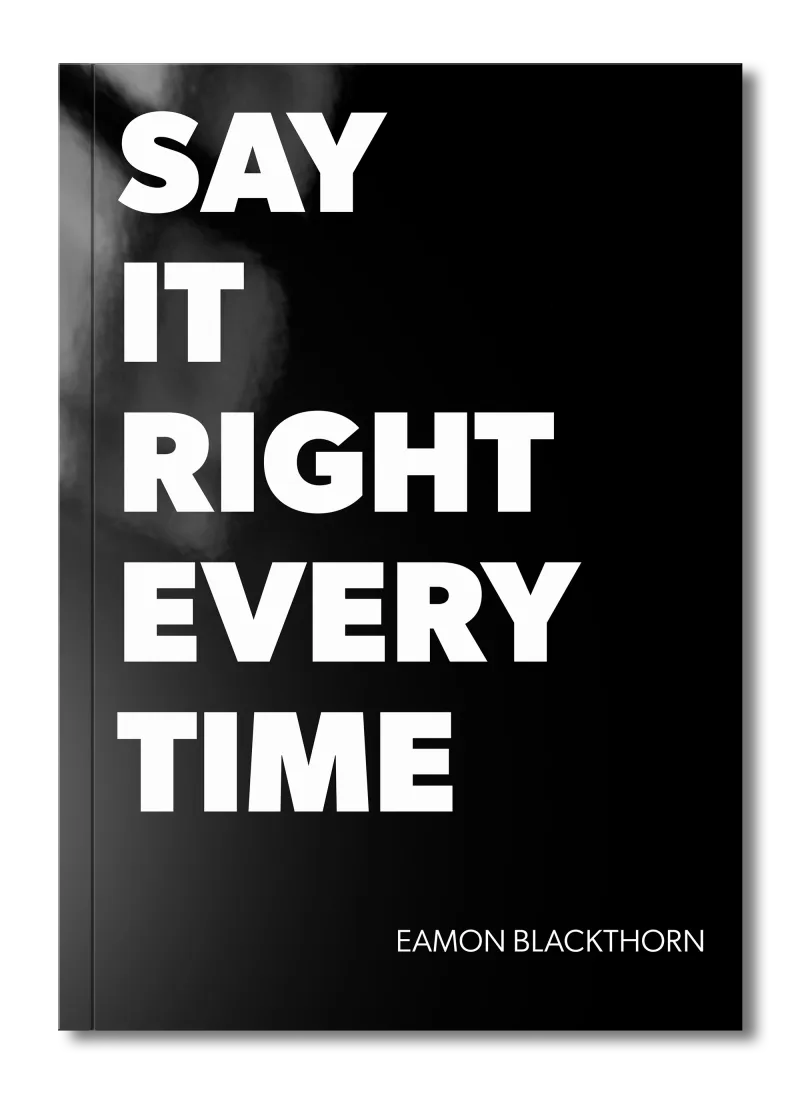
Stop rehearsing conversations you'll never have. Say It Right Every Time gives you 115 word-for-word scripts and 16 proven frameworks to speak with confidence in every conversation that matters.
What Intermittent Reinforcement Actually Means
Intermittent reinforcement is the alternating pattern of reward and punishment delivered on an unpredictable schedule. You do not know when the warmth will come. You do not know when the cruelty will return. That uncertainty is exactly what makes it so powerful.
In practical terms, it looks like this. Someone with toxic traits is not harmful all the time. They can be generous, funny, and warm. Then, without warning, they shift. They criticise, dismiss, humiliate, or withdraw. Then they return to warmth again. This cycle is not random from their side, though they may not be aware they are doing it. But from your side, it produces a specific effect: you become focused on earning the next positive response.
Consider a manager who spends one meeting praising your instincts and a later one dismissing everything you say in front of the team. You leave the second meeting confused and anxious. By the third, you are focused entirely on getting back to that praised version of yourself. You have stopped evaluating whether the relationship is healthy. You are simply trying to win.
That is intermittent reinforcement at work. And understanding it is the beginning of breaking free from it. If you have noticed how avoiding difficult conversations feeds this cycle, you are already seeing the connection.
Why Intermittent Reinforcement Matters for Anyone Dealing with Toxic Traits
Here is the truth of it: consistent bad behaviour is actually easier to leave than unpredictable behaviour. When someone is always unkind, you can name it clearly and act. When someone alternates between cruelty and genuine warmth, your brain gets confused. You start chasing the good version. You start believing the bad version is the exception.
This matters enormously for anyone navigating toxic traits, because the pattern actively prevents you from seeing reality clearly:
Your self-perception erodes over time. The more you chase approval from someone with toxic traits, the more your sense of your own worth becomes tied to their reactions. You begin to doubt your own judgment, skills, and value in ways that extend far beyond the relationship itself.
You normalise behaviour that should never be normal. Each time you explain away harmful conduct as stress or exception, you move the baseline. What once shocked you starts to feel ordinary. This gradual normalisation is one of the most damaging consequences of this cycle.
Your energy is consumed by the wrong problem. Instead of focusing on your work, your team, or your growth, you spend your mental resources managing someone else's volatility. The cognitive load of walking on eggshells every day is exhausting in ways that are difficult to measure but impossible to ignore.
It becomes harder to trust your instincts elsewhere. When you have spent months or years rationalising harmful behaviour, your internal alarm system gets recalibrated. You may start dismissing warning signs in other relationships because you have trained yourself to explain them away.
The stakes here are real. This is not abstract psychology. It is the difference between showing up fully in your work and your life, or spending your energy trying to make sense of someone who benefits from keeping you confused. Unmet needs often drive this kind of conflict, and recognising that does not excuse the behaviour, but it does help you respond more clearly.
The Key Characteristics of Intermittent Reinforcement in Toxic Patterns
You know intermittent reinforcement is working against you when you see these signs in your own responses to someone's toxic traits:
The Hope Cycle You find yourself mentally replaying the good moments more than the harmful ones. You use past warmth as evidence that the harmful behaviour will pass. This selective memory is not weakness; it is your brain doing exactly what this pattern is designed to trigger.
Disproportionate Effort You work significantly harder to earn positive responses from this person than from anyone else. You rehearse conversations, soften your language, and adjust your behaviour constantly, not because you are growing, but because you are trying to avoid triggering the next harmful response.
Minimising the Damage When someone hurts you and then returns with warmth or an explanation, you feel relief that overrides your memory of the harm. The relief feels like resolution. It is not. It is simply the reward phase of the cycle beginning again. This is where communication mistakes quietly compound over time.
Defending the Person to Others When people close to you raise concerns about the toxic traits you are dealing with, you find yourself defending the person. You emphasise the good moments. You feel protective of someone who has caused you harm. That impulse is a clear signal that the reinforcement cycle has taken hold.
Losing Track of Your Own Standards You used to have clear ideas about how you deserved to be treated. Now those standards feel distant or even selfish. You have adjusted your expectations downward to accommodate someone else's volatile behaviour, and you have done it so gradually that you barely noticed.
These five characteristics together describe a person who is no longer responding to reality. They are responding to a pattern. Naming that is the first act of real courage.
Common Misconceptions About Intermittent Reinforcement
Let me clear up three things people consistently get wrong about intermittent reinforcement and toxic traits.
Misconception: Staying means you are weak or foolish. The truth: Intermittent reinforcement is not a trap that only catches naive people. It works precisely because it exploits normal human psychology, specifically the way our brains assign higher value to unpredictable rewards. The most intelligent, strong, and capable people get caught in this cycle. Staying does not reflect your intelligence. It reflects the power of a specific psychological mechanism working exactly as it is designed to work.
Misconception: If the person has genuine good moments, the relationship or working dynamic cannot be truly toxic. The truth: The good moments are not evidence that the toxic traits are not real. They are part of the mechanism. A person can be genuinely warm, funny, and generous in one moment and genuinely harmful in the next. Both things are true. Toxic traits do not disappear during the good moments; the cycle simply pauses. Patterns of undermining behaviour often look exactly like this, pleasant on the surface, damaging underneath.
Misconception: You can fix the cycle by being more patient or understanding. The truth: Patience and understanding are admirable qualities, but they do not change another person's toxic traits. The cycle continues as long as the pattern is accommodated. What breaks the cycle is not more tolerance; it is clear, consistent limits applied without negotiation, paired with a willingness to act on them.
The short version: this is not about your weakness, their occasional goodness, or your insufficient empathy. It is about a pattern that requires clear eyes and direct action.
Intermittent Reinforcement in Real Situations
Here is what intermittent reinforcement looks like when it is present and what it costs.
In the workplace: A senior colleague is the kind of person who can make you feel brilliant in a one-to-one conversation. She listens, affirms your ideas, and speaks warmly of your potential. Two days later, in a team meeting, she contradicts you without acknowledgement and takes credit for a direction you proposed. You leave the meeting feeling confused rather than angry. By the next one-to-one, you are simply relieved when she is warm again. Months pass. You have never once addressed what is happening, because the good moments keep arriving just frequently enough to make the pattern feel uncertain. That uncertainty is the trap.
In a team setting: A team member shifts between being the most collaborative person in the room and someone who quietly dismisses others' contributions behind closed doors. When he is good, the whole team benefits. When he is not, individuals are left doubting themselves. The team as a whole learns to manage around his moods, to soften feedback, and to avoid triggering the difficult version. The amygdala hijack responses this creates compound the damage. No one addresses the toxic traits directly, because the good version keeps showing up to reset the room.
In a personal relationship: A close friend repeatedly makes cutting remarks about your choices, then follows them with warmth, humour, and genuine affection. You have told yourself it is just her way. You have adjusted what you share with her. You have started to believe that perhaps your choices do deserve the scrutiny. That gradual narrowing of your own self-expression is the real cost of the cycle, and it is one that outlasts the relationship itself.
What these three situations share is simple. The toxic traits did not stop. The pattern continued. The harm accumulated. And in every case, intermittent reinforcement was the reason no one acted sooner.
Key Takeaways
Here is what matters most about intermittent reinforcement and toxic traits.
- Naming the pattern is the first act of freedom. You cannot break a cycle you cannot see. Write down the harmful behaviours without softening them. Look at the full picture, not just the last interaction.
- The good moments are real, but they are not the whole story. Stop using past warmth as evidence that harmful behaviour will not return. Both things exist. You are allowed to hold both.
- Your instincts were right before the cycle started. The standards you had before this relationship took hold are still valid. You did not raise them too high. You lowered them too far.
- Patience does not fix toxic traits. Clear limits, applied consistently, are the only tool that changes the dynamic or reveals that the dynamic cannot be changed.
- Getting out of this pattern takes practice, not perfection. You will be tempted to explain away the next harmful moment. Expect that. Then look at the evidence again.
- You deserve relationships built on consistency, not on hope. That is not a high expectation. It is the minimum standard for any working relationship worth keeping.
If you want to go further, start by understanding how amygdala hijack responses affect your ability to act in these moments. Intermittent reinforcement clouds your thinking; knowing what happens in your brain under stress gives you a real method for seeing clearly when it matters most.
Frequently Asked Questions (FAQ)
What is intermittent reinforcement in a relationship?
Intermittent reinforcement in a relationship is when someone alternates between rewarding behaviour and harmful behaviour in an unpredictable pattern. Your brain fixates on chasing the good moments, which makes it extremely difficult to leave or address the toxic traits causing the harm.
How does intermittent reinforcement keep you tolerating toxic traits?
It works by making the rare moments of kindness or approval feel intensely valuable, far more valuable than they actually are. This variable reward cycle overrides your rational judgement, convincing you the good moments are the real person and the harmful behaviour is the exception.
What are examples of intermittent reinforcement in toxic behaviour?
Examples include a colleague who praises you warmly one week then dismisses your ideas the next, or a manager who alternates between encouragement and humiliation. The unpredictability keeps you working harder to earn the next positive response, which is exactly how the cycle sustains itself.
Is intermittent reinforcement a form of emotional manipulation?
It can be, though not always intentionally. Some people with toxic traits create this cycle deliberately to maintain control. Others simply have unstable behaviour patterns. Either way, the psychological effect on you is the same: you become conditioned to chase their approval and minimise their harmful conduct.
How do you break free from intermittent reinforcement?
Start by naming the pattern clearly. Write down the harmful behaviours without editing them. Stop explaining away the bad moments as stress or exception. Set a firm boundary and watch whether it is respected. Over time, consistent evidence replaces the hope that has been keeping you stuck.
Why is intermittent reinforcement so hard to recognise?
Because it does not feel like a trap from the inside. The good moments are real. The warmth and connection you feel during them is genuine. That makes it nearly impossible to see the full pattern until you step back and look at the whole picture, not just the last interaction.