
In Short
Toxic traits are consistent behavioral patterns in a person that cause harm to those around them, damaging trust, morale, and relationships over time.
- Toxic traits are patterns, not isolated bad moments, and they repeat across different situations and relationships.
- Recognizing them early protects you from absorbing damage before you understand what is happening.
- Responding well requires naming behavior clearly, not labeling the person, and setting firm limits on what you will accept.
Toxic traits are recurring patterns of harmful behavior in a person that consistently damage the people around them. Unlike ordinary flaws or occasional rudeness, toxic traits erode trust, undermine wellbeing, and repeat regardless of the consequences they cause in relationships and workplaces.
You have just left a meeting and you cannot quite explain what went wrong. Nothing dramatic happened. But somehow you feel smaller than when you walked in. Someone talked over you, subtly undermined your idea, and then smiled warmly at the manager. You feel confused, even a little paranoid. That confusion is often the first sign you are dealing with toxic traits.
Most people recognize this feeling before they can name what caused it. Toxic traits work quietly at first. They chip away at your confidence and your sense of what is real. By the time you see the full pattern, the damage is already done. Understanding these patterns early gives you the clarity to respond rather than simply absorb.
This article explains what toxic traits actually are, what they look like in practice, and how you can respond with strength and directness. If you want to understand how harmful behavior affects the whole team environment, the concept of psychological safety and how it drives team synergy is worth exploring separately. Here, we focus on the individual patterns themselves and what you can do about them.
What Toxic Traits Actually Means
Toxic traits are not about having a bad day or a sharp edge to your personality. They are consistent, repeating patterns of behavior that cause harm to the people around them.
A person with a toxic trait does not do it once and correct course. They manipulate, undermine, gaslight, or control across different situations and relationships. The behavior becomes predictable once you know what to look for. What makes these traits corrosive is not their severity in any single moment but their persistence over time.
Here is a clear example. A colleague routinely takes credit for shared work in front of senior staff. When challenged privately, he deflects with humor or claims misunderstanding. But the pattern repeats every quarter, without fail. That is not a communication style difference. That is a toxic trait in operation.
Understanding the difference matters because it changes your response entirely. You do not coach a toxic trait the same way you coach a skill gap. You name it, set limits, and protect yourself. The scripts for addressing team members who are undermining group synergy offer practical language for exactly those moments.
"The Conversation You're Avoiding Is the One You Need to Have."
"The Conversation You're Avoiding
Is the One You Need to Have."
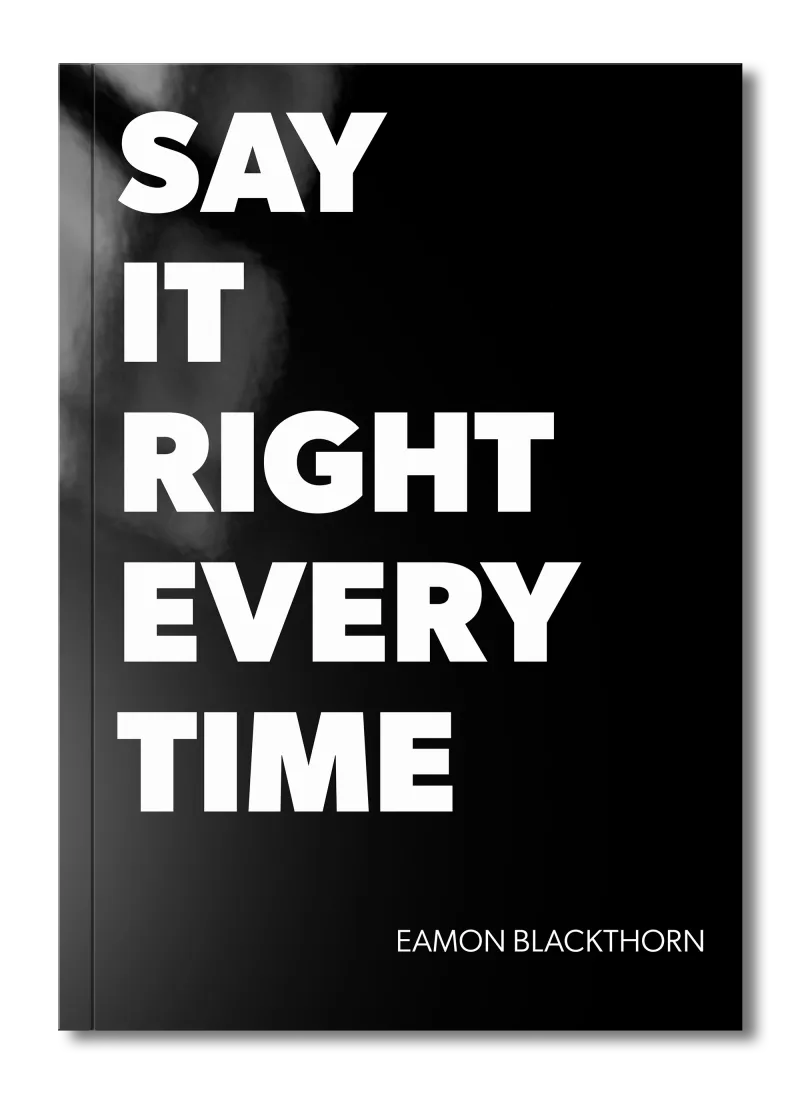
Stop rehearsing conversations you'll never have. Say It Right Every Time gives you 115 word-for-word scripts and 16 proven frameworks to speak with confidence in every conversation that matters.
Why Recognizing Harmful Behavior Patterns Matters
Here is the truth of it: toxic traits do not stay contained. They spread. One person with an unchecked pattern of manipulation or hostility can reshape the entire culture around them, and most people will not even realize it is happening until the damage is deep.
The stakes are higher than most people appreciate:
Trust erodes faster than it builds. When toxic behavior goes unaddressed, the people around it stop speaking honestly. They learn that honesty is punished or ignored. Silence becomes the safe option, and the team loses its ability to solve real problems. The connection between honest communication and team wellbeing breaks down almost invisibly.
Good people leave. The most capable people have the most options. When a workplace tolerates toxic traits, it quietly signals to its best contributors that their wellbeing does not matter. They leave. The people who remain are often those who have fewer choices or who have learned to survive by becoming part of the problem.
Your own judgment suffers. Sustained exposure to manipulation and blame shifting distorts your ability to assess situations clearly. You start second-guessing yourself, doubting your own perceptions, and accepting treatment you should not accept.
Conflict spreads sideways. Toxic traits do not stay between two people. Others take sides, avoid the person, or start mirroring the behavior to protect themselves. Dysfunction multiplies quickly.
These are not abstract risks. They are the predictable, real-world consequences of ignoring what is plainly in front of you.
The Key Characteristics of Toxic Traits
You know toxic traits are present when you see recognizable, repeating patterns that go beyond ordinary friction or poor communication.
Consistent blame shifting. The person never accepts responsibility for their part in a problem. When something goes wrong, they immediately redirect attention to someone or something else. For example, a manager who misses a deadline always finds a way to make it the team's fault, regardless of the actual sequence of events.
Persistent undermining. This can be subtle: a dismissive comment in a meeting, a sigh when someone else speaks, a quiet word with the manager that frames a colleague negatively. The pattern is consistent and directional. It targets specific people or ideas repeatedly.
Resistance to accountability. When their behavior is named, people with toxic traits typically deny, deflect, or escalate. They may become suddenly hurt, accuse you of attacking them, or turn the conversation back on you. This resistance is one of the clearest indicators you are dealing with a genuine toxic pattern rather than a correctable behavior.
Inconsistency between public and private behavior. Charm in front of authority, hostility or coldness behind closed doors. This gap is a reliable signal. It tells you the person is aware of how they appear and is managing that appearance deliberately.
Boundary violations as a habit. They push consistently past what you have made clear. You explain what you need; they ignore it. You set a limit; they test it. This is not forgetfulness. It is a pattern of control.
Emotional manipulation as a tool. Guilt, fear, and obligation are their primary methods. They may use silence, sudden warmth, or sharp criticism strategically to keep others off balance and compliant.
These characteristics do not all need to be present in the same person. Even two or three, repeated over time, signal a toxic pattern worth taking seriously.
Common Misconceptions About Toxic Traits
Let me clear up three things people consistently get wrong about toxic traits.
Misconception: Toxic traits are always loud and obvious. The truth: Some of the most damaging toxic traits are quiet. Passive-aggressive behavior, subtle undermining, and chronic dishonesty cause enormous harm precisely because they are hard to name in the moment. If you are waiting for someone to shout or make a dramatic scene before you take the pattern seriously, you will wait a long time while the damage accumulates. Passive-aggressive behavior that silently erodes a team is one of the most common and most underestimated forms of this.
Misconception: If someone is nice to you sometimes, they cannot have toxic traits. The truth: Inconsistency is actually one of the defining features of toxic behavior. The warmth, the good days, the genuine moments of connection, these are real. But they do not cancel the pattern. Toxic traits exist alongside other qualities. A person can be charming, funny, and genuinely kind in some moments, and still cause consistent harm through their repeating patterns in others.
Misconception: Naming toxic traits means writing someone off permanently. The truth: Naming what you see is about clarity, not condemnation. You can name a pattern clearly and still treat the person with respect. The goal is not to label and dismiss. The goal is to see what is happening clearly enough to protect yourself and respond effectively. Labeling the behavior, not the person, is both more accurate and more useful.
This much I know for certain: the biggest cost of these misconceptions is delay. The longer you wait to name what you see, the more it costs you.
Toxic Traits in Real Situations
Here is what toxic traits look like when they are, and are not, present.
In the workplace. A project manager consistently takes the team's ideas into senior meetings and presents them as her own. When a team member raises this privately, she expresses hurt and says she was just summarizing everyone's contributions. The conversation ends awkwardly, nothing changes, and it happens again three weeks later. The pattern is the problem. This is not a miscommunication. It is a repeating behavior that this person has not changed despite clear feedback. Common communication mistakes that quietly destroy team function often take root in exactly this kind of unchecked dynamic.
In a team setting. A long-standing team member responds to a newer colleague's contributions with silence, eye rolls, and brief dismissive comments. Others notice but say nothing, assuming it is just a personality clash. Over three months, the newer colleague becomes quieter, less engaged, and eventually stops offering ideas entirely. The toxic trait here is the undermining behavior, but its real damage is measured in what the whole team loses. If you need language for this moment, the scripts for telling a team member their behavior is isolating them from the group can help.
In a leadership context. A senior leader shifts between praise and sharp criticism without clear cause. Team members spend enormous energy trying to read his mood before bringing him problems. Honest reporting stops. People tell him what he wants to hear. The toxic trait is emotional unpredictability used as control, and its cost is that the leader loses access to accurate information precisely when he needs it most.
What these scenarios share is this: the harm is not a single event. It is a pattern that builds over time, quietly reshaping what people do and say around it.
Key Takeaways
Here is what matters most about toxic traits.
Pattern is everything. A single bad moment is not a toxic trait. It is the repetition, across situations and over time, that defines the pattern. Train yourself to watch for repetition before you draw conclusions.
Confusion is often the first signal. If you leave interactions feeling unsettled, smaller, or strangely responsible for something you cannot quite name, pay attention to that feeling. It is often the earliest warning sign.
Name the behavior, not the person. When you respond, be specific about what you observed. "You interrupted me three times in that meeting" is something you can work with. "You are toxic" closes the conversation before it starts and is rarely useful.
You cannot fix what someone will not acknowledge. You can name behavior clearly, set firm limits, and decide what you will and will not accept. What you cannot do is force self-awareness onto someone who has none. Focus your energy on your own response.
Knowing how to start the conversation matters. If a toxic pattern is blocking your ability to work or damaging your team, you need to address it directly. How to start a difficult conversation that is blocking your team's progress gives you a clear method for that moment.
If you want to go further, the next step is building the kind of environment where toxic traits surface quickly and get addressed early, before they take root.
Frequently Asked Questions (FAQ)
What are toxic traits in a person?
Toxic traits are consistent behavioral patterns that cause harm to the people around them. They include manipulation, blame shifting, chronic hostility, and boundary violations. Unlike a bad day or a single mistake, these patterns repeat and erode trust over time in relationships and workplaces.
What is the difference between toxic traits and just being difficult?
Difficult people frustrate you occasionally. People with toxic traits damage you consistently. The key difference is pattern and impact. A difficult person can adjust when challenged. Someone with toxic traits typically denies, deflects, or escalates when their behavior is named.
How do you recognize toxic traits early?
Watch for repeated patterns, not isolated incidents. Early signs include someone who never accepts responsibility, who undermines others quietly, or who shifts between charm and hostility depending on what they need. One incident is rarely enough. A pattern across different situations is the real signal.
Can someone with toxic traits change?
Some people can change when they develop genuine self-awareness and commit to sustained effort. But change requires acknowledgment first. Most people with deeply ingrained toxic traits resist feedback, deny impact, and blame others. You cannot change them. You can only decide how you respond.
How do you respond to toxic traits without escalating conflict?
Name the specific behavior, not the person. Stay calm and direct. Say what you observed and what impact it had. Avoid labeling them as toxic to their face. Focus on what you need to change, not on reforming them. Clear boundaries protect you without requiring their cooperation.
Are toxic traits always intentional?
Not always. Some people cause harm without awareness of the pattern. Others are fully deliberate. Intention matters less than impact. Whether someone means to manipulate or undermine does not reduce the damage it causes. Your response should be based on what is happening, not on what they meant.