
In Short
Under pressure, your body language often betrays you before you say a word, undermining the message you worked hard to prepare.
- Crossed arms and collapsed posture signal weakness when you need to project strength.
- Broken eye contact at critical moments destroys trust faster than any wrong word.
- Mirroring the room's tension amplifies pressure instead of steadying it.
Managing body language means deliberately controlling your physical expression, including posture, gesture, eye contact, and facial cues, so that what your body communicates aligns with your intended message, especially in high-stakes conversations and stressful environments.
You walked into the meeting prepared. You knew your material. You had practised your key points, and you felt ready. Then someone challenged you directly, and without realising it, your shoulders pulled in, your eyes dropped to the table, and your arms folded across your chest. You said the right words. Your body said something else entirely.
This is the gap that managing body language is designed to close. The problem is that physical expression under pressure is mostly automatic. Your nervous system reacts before your mind catches up, and by the time you notice your posture has collapsed or your hands are fidgeting, the impression is already formed.
Most people only discover this when someone else points it out, sometimes years too late. In this article, you will learn to recognise six specific mistakes in physical expression under pressure, and what to do about each one.
If you want to understand the broader forces that make these moments harder, What Is the Amygdala Hijack and How It Silently Blocks Team Synergy in High-Pressure Moments explains exactly what is happening in your nervous system.
Why Physical Expression Problems Are So Hard to Catch
Here is the honest truth: most people do not see their own body language. You are inside the body, not watching it from outside. The signals you send physically feel invisible to you even when they are loud and clear to everyone else in the room.
These problems go undetected for several reasons:
- The stress response feels normal. When pressure rises, your muscles tighten, your breathing shallows, and your posture shifts. Because this happens every time, it starts to feel like your natural state rather than a warning signal.
- Feedback is rare. Very few people will tell you that your crossed arms made you seem defensive or that your eyes went cold during a difficult exchange. People read the signal and adjust their own behaviour, but they rarely name what they saw.
- You are focused on content, not delivery. In high-pressure conversations, your attention goes to the words, the argument, the data. Your body is the last thing on your mind, which is exactly when it takes over.
- The habits are deeply grooved. Physical expression patterns form over decades. Folding your arms under stress is not a choice you make; it is a reflex you have repeated thousands of times. Reflexes do not announce themselves.
- You compare yourself to your worst moments. If you once completely shut down in a meeting, holding it together even partially feels like a win. That comparison blinds you to the subtler patterns that are still doing damage.
The first step is knowing what to look for. That is what this article gives you.
"The Conversation You're Avoiding Is the One You Need to Have."
"The Conversation You're Avoiding
Is the One You Need to Have."
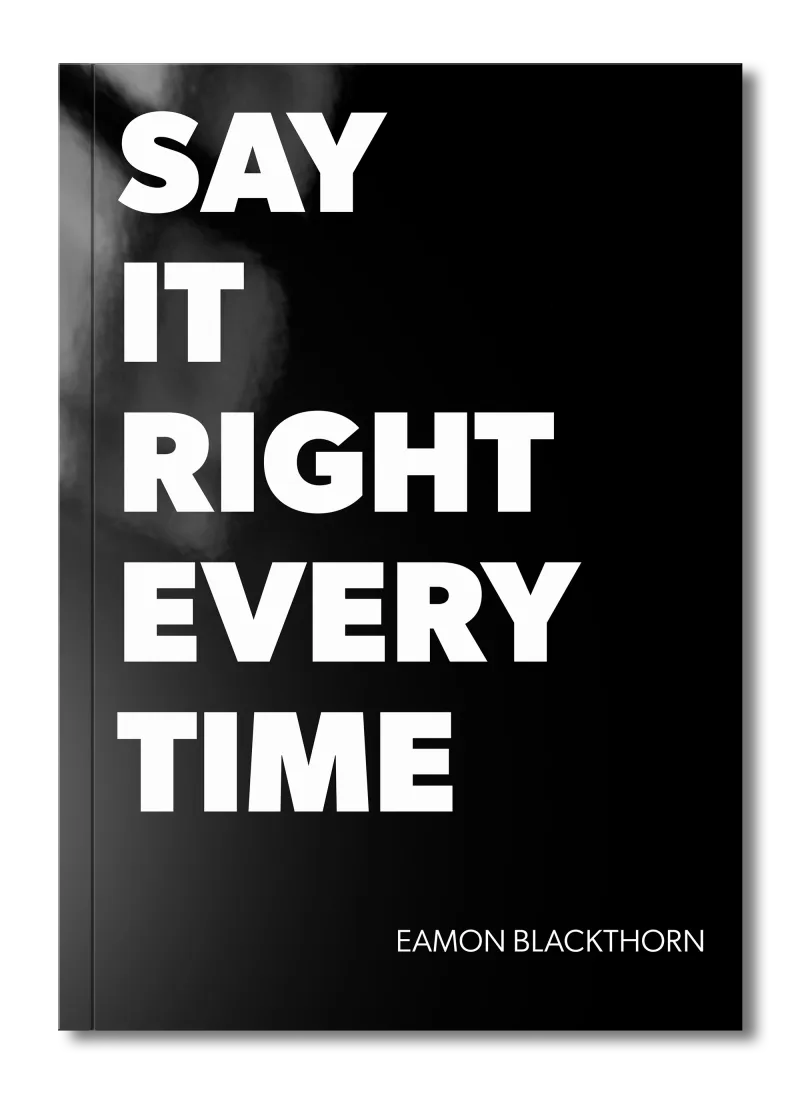
Stop rehearsing conversations you'll never have. Say It Right Every Time gives you 115 word-for-word scripts and 16 proven frameworks to speak with confidence in every conversation that matters.
Mistake 1: Collapsing Your Posture When Challenged
What it looks like: The moment someone pushes back, questions your thinking, or raises their voice, your spine softens. Shoulders round forward, chest drops, and you physically shrink inside your own seat or standing position. You may not notice it at all.
Why it happens: This is a direct physical response to perceived threat. Your body interprets the social pressure as danger and moves into a self-protective position. It is the same instinct that made your ancestors curl up during a storm.
Why it matters: Collapsed posture signals submission and uncertainty to everyone watching. Even if your words are strong, your body is telling the room that you do not fully believe them.
What to do about it: Before your next high-stakes meeting, set a physical anchor: feet flat on the floor, shoulder blades gently drawn back, spine long. Return to this anchor every time you feel pressure build. It takes practice, but your body can learn a new default. Spend three minutes before the meeting standing or sitting in this position until it feels settled.
Eamon's note: I have watched this one single signal, the collapsed chest under challenge, cost people the room before they had finished their second sentence.
Mistake 2: Breaking Eye Contact at the Critical Moment
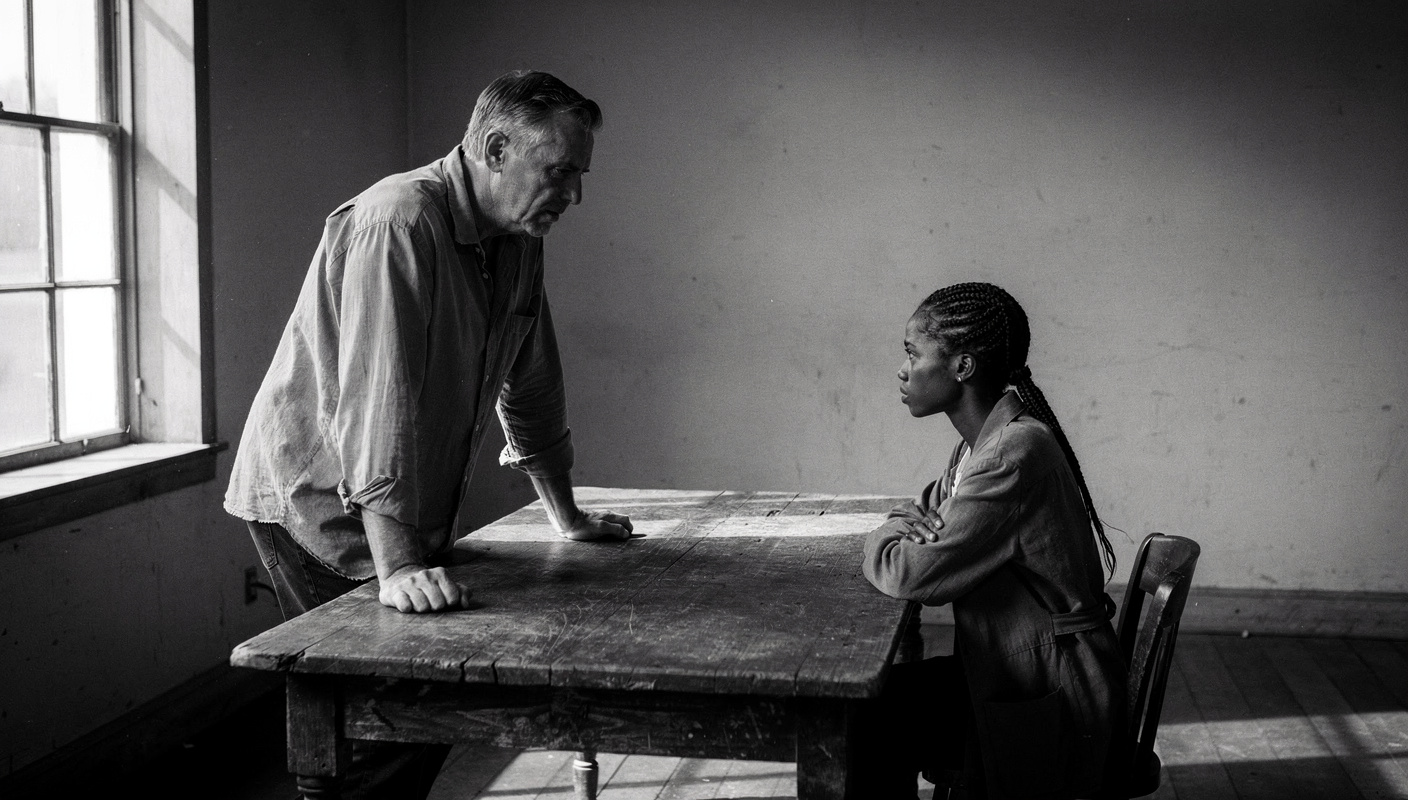
What it looks like: You are making your most important point, or someone is pressing you hard, and your eyes drop to the table, drift to the window, or settle on your notes. It lasts two or three seconds. That is all it takes.
Why it happens: Eye contact under pressure feels confrontational. Your nervous system interprets the intensity of a direct gaze as escalation, so it pulls your eyes away to reduce the perceived threat. It is automatic, and it reads as dishonesty or insecurity to the other person.
Why it matters: Broken eye contact at a high-stakes moment destroys credibility instantly. The message you send is: I am not sure of this myself. Trust cannot survive that signal. As noted in The Role of Emotional Intelligence in Team Synergy, how you regulate your physical response in tense moments shapes how others experience your emotional reliability.
What to do about it: Practise holding a steady, relaxed gaze in low-stakes conversations first. Not a stare, but a connected look. When pressure rises in a real conversation, breathe once before you respond. That single breath resets your eye contact naturally rather than forcing it.
Eamon's note: The eyes do not lie, and everyone in the room knows it.
Mistake 3: Filling Silence With Fidgeting
What it looks like: Your hands move constantly: clicking a pen, adjusting your collar, touching your face, shuffling papers. Sometimes your foot taps. Sometimes you rearrange objects on the table in front of you. The movement is small but relentless.
Why it happens: Silence and stillness under pressure feel unbearable to the nervous system. Physical movement is a self-soothing mechanism. The body is releasing tension the only way it can find in the moment.
Why it matters: Fidgeting broadcasts anxiety. It draws the eye and signals to everyone present that you are uncomfortable. It also fractures your own concentration, making it harder to think clearly and respond with precision. When team synergy breaks down during high-pressure projects, visible anxiety from key people is often one of the first accelerants.
What to do about it: Identify your specific fidget habit. Watch yourself on video if you can. Then create a physical substitute: rest both hands flat and still on the table. The deliberate stillness gives your nervous system something to do that does not broadcast distress.
Eamon's note: I once noticed a senior leader's confidence drain out of the room entirely because he could not stop clicking his pen; it was all anyone watched.
Mistake 4: Leaning Away During Difficult Exchanges
What it looks like: When the conversation gets hard, you physically pull back. Your chair rolls an inch from the table. Your body tilts away from the person speaking. You may cross your legs away from them or angle your shoulders toward the door.
Why it happens: Physical withdrawal is a natural response to discomfort. The body wants distance from the source of stress. This happens without thought and is one of the subtler physical signals, which makes it harder to catch in yourself.
Why it matters: This is the non-obvious one. Most people focus on arms and eyes. But directional lean carries enormous weight. Leaning away communicates disengagement, discomfort, or even contempt. It tells the other person that their challenge has landed and you want to escape it. This is particularly damaging when psychological safety in a team is already fragile, as physical withdrawal from a leader signals that honest conversation is not welcome.
What to do about it: Make a deliberate practice of leaning slightly forward during difficult moments, not aggressively, but toward the conversation rather than away from it. Even a subtle forward angle signals courage and presence. Notice the pull to withdraw and consciously override it.
Eamon's note: Leaning in when every instinct says lean back is one of the bravest physical choices a communicator can make.
Mistake 5: Letting Your Face Go Blank or Hard
What it looks like: Under pressure, your facial expression locks up. You either go completely neutral, a flat, unreadable mask, or your jaw tightens and your brow pulls down into what others read as aggression or contempt. Neither is what you intend.
Why it happens: Emotional suppression shows up in the face first. When you are working hard to control what you say, the muscles controlling your expression tighten as part of the same effort. The face you think is composed often reads as cold or hostile to the person across from you.
Why it matters: A blank or hard face shuts down the other person's willingness to engage honestly. It triggers defensiveness. The conversation that follows is not the one you wanted. As explored in Emotional Intelligence in Feedback Conversations, emotional expression and physical expression are inseparable; one always leaks into the other.
What to do about it: Before a pressured conversation, soften your jaw deliberately. Let your lips part slightly. These tiny physical adjustments have a real effect on how your face reads to others. If you are unsure what your face does under pressure, record yourself in a practice conversation and watch it back.
Eamon's note: I spent years thinking my game face was reassuring; it turns out I looked like I was preparing to fire someone.
Mistake 6: Mirroring the Room's Tension Instead of Anchoring It
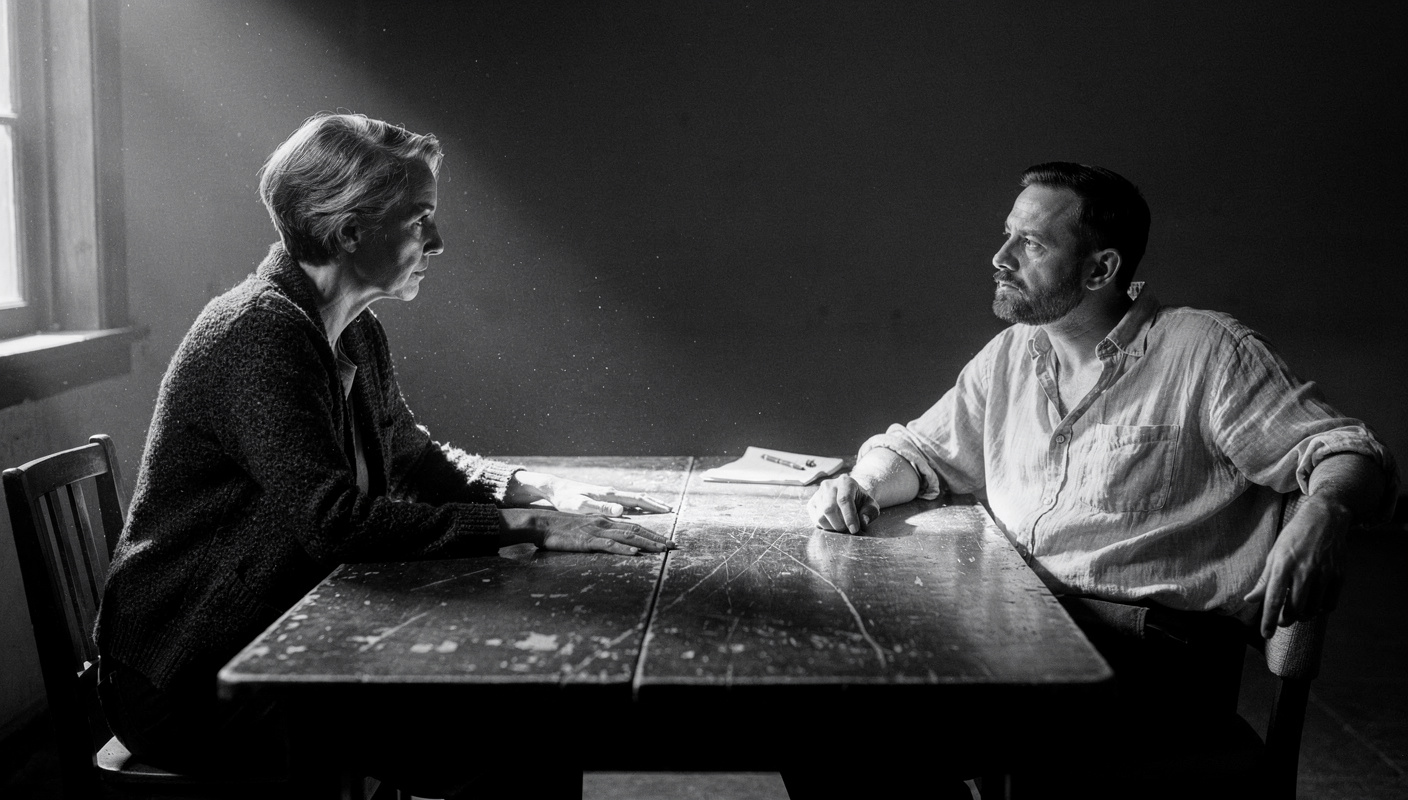
What it looks like: The meeting gets heated. Voices tighten. People sit forward with hard postures and clipped gestures. And without deciding to, you do the same. You match the room's physical energy and escalate alongside it.
Why it happens: Humans are wired for physical mirroring. We unconsciously adopt the postures and rhythms of people around us. In calm settings, this builds rapport. In tense settings, it amplifies the very pressure you need to steady. This is directly connected to how amygdala hijack destroys team synergy in real time, often spreading through physical cues before a single inflammatory word is spoken.
Why it matters: When the room needs someone to hold steady, mirroring the tension makes you part of the problem. Your composure, demonstrated physically, is one of the most powerful tools you have to change the temperature of a difficult exchange.
What to do about it: Practise deliberate counter-mirroring. When tension rises around you, consciously slow your movements, soften your posture, and steady your breathing. You do not have to announce calm; you have to embody it. One steady body in a tense room can shift the dynamic for everyone. This is directly connected to how psychological safety enables honest communication: the person who stays physically grounded often creates the conditions for others to speak honestly.
Eamon's note: The most respected communicators I have ever known could walk into a storm and make the room feel quieter just by how they stood.
The Pattern Behind These Mistakes
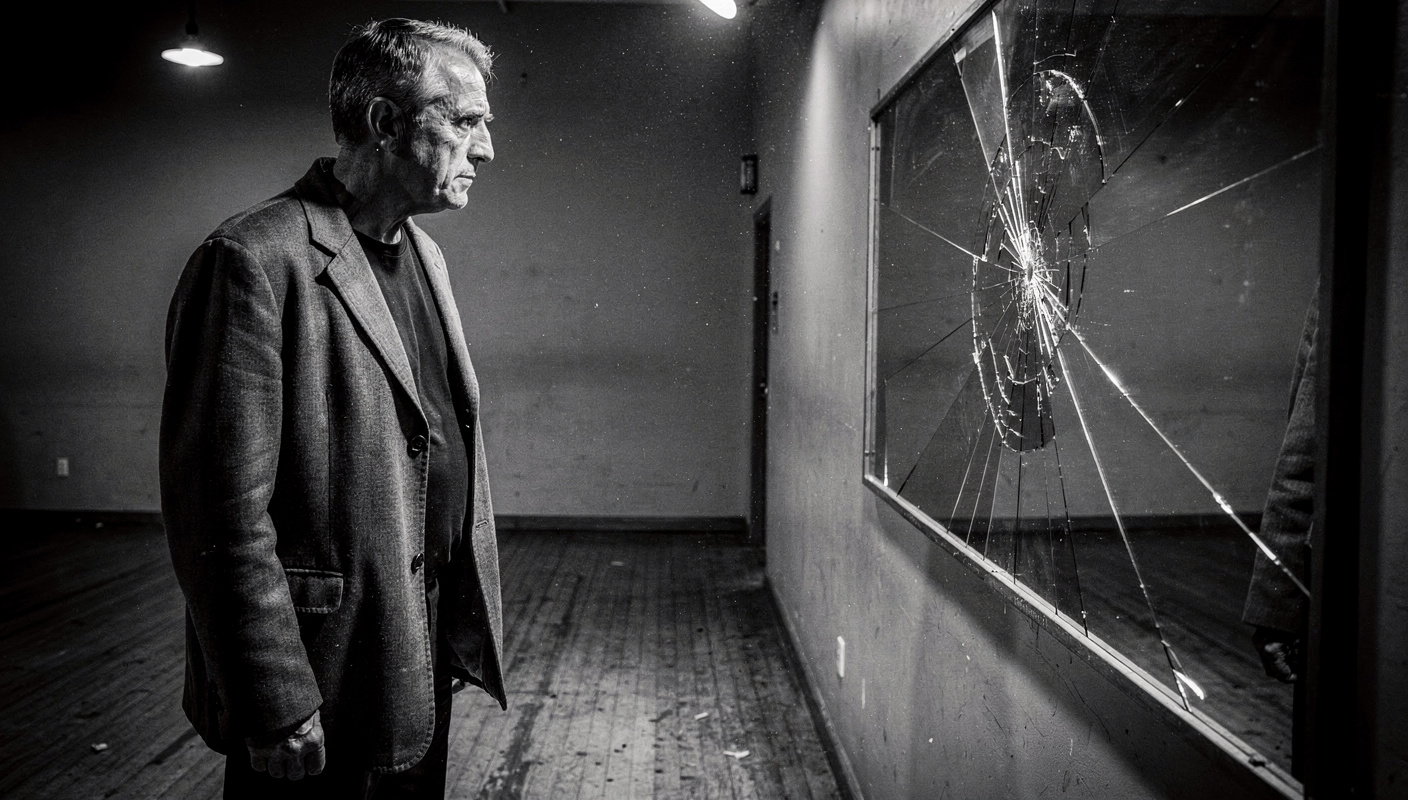
These mistakes rarely appear in isolation. When one shows up, others usually follow. A collapsed posture leads to broken eye contact, which leads to fidgeting, which leads to a hardened face. The body is telling a single story, and that story is: I am not in control of this moment.
The single root cause underneath all six mistakes is an unregulated stress response. Under pressure, your nervous system acts first and asks questions later. Your physical expression is not a communication choice in those moments; it is a biological reaction. Until you practise managing that reaction deliberately, your body will keep defaulting to its oldest habits.
Two secondary patterns are worth naming. First, most people have never been taught to treat their body as a communication instrument. You rehearse what to say, but you never rehearse how to hold yourself when challenged. That gap shows. Second, the absence of honest feedback keeps these patterns invisible for years. The people around you adapt to your physical signals without ever telling you what they are reading.
Fix the root and most of the symptoms resolve. When you learn to regulate your physical state before and during pressure, posture, eye contact, stillness, and expression follow naturally.
Your Diagnostic Checklist
Use this checklist to assess where you currently stand.
- My posture visibly softens or collapses when someone challenges me directly.
- I break eye contact during the most important or difficult part of a conversation.
- I fidget with objects, my clothing, or my face when I feel pressure building.
- I physically lean away from people when a conversation becomes uncomfortable.
- My facial expression locks up, goes blank, or hardens under stress.
- I match the tension and body language of people around me without deciding to.
- I have never deliberately practised my physical expression before a high-stakes meeting.
- Others have commented on my expression or posture in tense situations.
- I speak faster and shallower when pressure builds, driven by breath changes.
- I am unsure what my body does under pressure because I have never watched myself.
If you checked 3 or fewer, your physical self-awareness is solid. Work on refining the specific habits that did show up. If you checked 4 to 6, you have clear patterns to address; prioritise posture and eye contact first, as these carry the most weight. If you checked 7 or more, your physical expression is actively working against you in high-pressure moments, and this needs immediate, deliberate practice.
How to Start Fixing This
Diagnosis without action is just worry. Here are four concrete steps you can take this week.
Record yourself under pressure. Set up your phone to record a practice conversation or a real meeting where you have permission to do so. Watch it back specifically looking for posture, eye contact, and what your hands do. Most people are genuinely surprised. Awareness you cannot unsee is the strongest foundation for change.
Build a pre-meeting physical anchor. Spend two minutes before any high-stakes conversation standing or sitting in your most grounded position: feet flat, spine long, jaw soft, hands still. This is not performance; it is preparation. The physical state you carry into the room shapes every signal you send from the first moment.
Practise stillness in low-stakes moments. Choose one meeting each week where you commit to keeping your hands still and your posture open for the full session. Low-stakes practice builds the muscle memory you need when the pressure is real. Start there, and the habit will transfer.
Name your specific default under pressure. Go back to the checklist and identify your single most consistent mistake. Not all six at once. One. Work on that one pattern until it changes before adding another. Focused practice produces results; scattered effort produces awareness without change.
For a deeper understanding of how emotional regulation connects to physical expression in team settings, What Is Psychological Safety and How It Drives Team Synergy is worth your time.
Summary
You can now see something that most people miss entirely: that physical expression under pressure is not a personality trait or a fixed habit. It is a skill, and skills can be developed.
- Managing body language begins with recognising the six automatic mistakes your body makes under stress.
- Posture, eye contact, stillness, lean, facial expression, and composure each carry specific meaning to everyone watching.
- The root cause is an unregulated stress response, not a lack of confidence or skill.
- Physical awareness without practice changes nothing; deliberate repetition is what rewires the habit.
- One anchoring practice before high-stakes moments can shift everything else that follows.
The principles of managing body language connect directly to broader team dynamics. Why Team Synergy Breaks Down During High-Pressure Projects and Signs Your Team's Amygdala Hijack Problem Is Destroying Synergy in Real Time both show how individual physical signals ripple outward into group dynamics. This much I know for certain: the body you bring into a high-pressure room either steadies the conversation or fuels the fire. Choose deliberately.
Frequently Asked Questions (FAQ)
What does managing body language mean in high-pressure situations?
Managing body language means consciously controlling your physical expression, including posture, gestures, facial expression, and eye contact, so your body reinforces rather than contradicts your words. Under pressure, your nervous system tightens your body before your mind catches up, making deliberate physical awareness essential.
Why is managing body language so difficult when stakes are high?
High pressure triggers a stress response that tightens muscles, shifts breathing, and narrows focus. These physical changes happen automatically. Without deliberate practice, your body signals anxiety or defensiveness before you have spoken a single word, undermining the message you have carefully prepared.
What are the most common body language mistakes in high-stakes conversations?
The most common mistakes include crossed arms, avoiding eye contact, fidgeting with hands or objects, leaning away from difficult exchanges, a blank or hardened facial expression, and unconsciously mirroring the tension of everyone around you, which escalates the pressure rather than steadying it.
How can I practise managing body language before a difficult meeting?
Spend two minutes before the meeting standing in a relaxed, upright posture with your feet flat and your hands still. Breathe slowly and deeply. This primes your body for composure rather than reaction, and the physical state you build in those two minutes carries directly into the room with you.
Does body language really affect how others perceive my credibility?
Yes, and faster than most people realise. People read physical signals in the first few seconds of an interaction. Closed posture, broken eye contact, or visible tension all register as uncertainty or defensiveness, regardless of how carefully you have prepared what to say.
Can managing body language help with amygdala hijack during high-pressure moments?
It can interrupt it. Deliberate physical adjustments, like slowing your breath, uncrossing your arms, or planting your feet firmly, send calming signals to your nervous system. This creates a small window of self-regulation before the stress response fully takes hold and narrows your options.