
In Short
This article covers one structured physical expression framework, the C.O.R.E. Framework, with four supporting tools that help you align your body language with your spoken message in any high-stakes situation.
- The Clarity Pillar: ground your posture before you speak
- The Openness Pillar: remove physical barriers that close people off
- The Empathy Pillar: use facial signals and lean to invite connection
A physical expression framework is a structured, repeatable system for aligning your body language, posture, gestures, and facial signals with your spoken message, so that everything your body communicates supports rather than contradicts what you are saying.
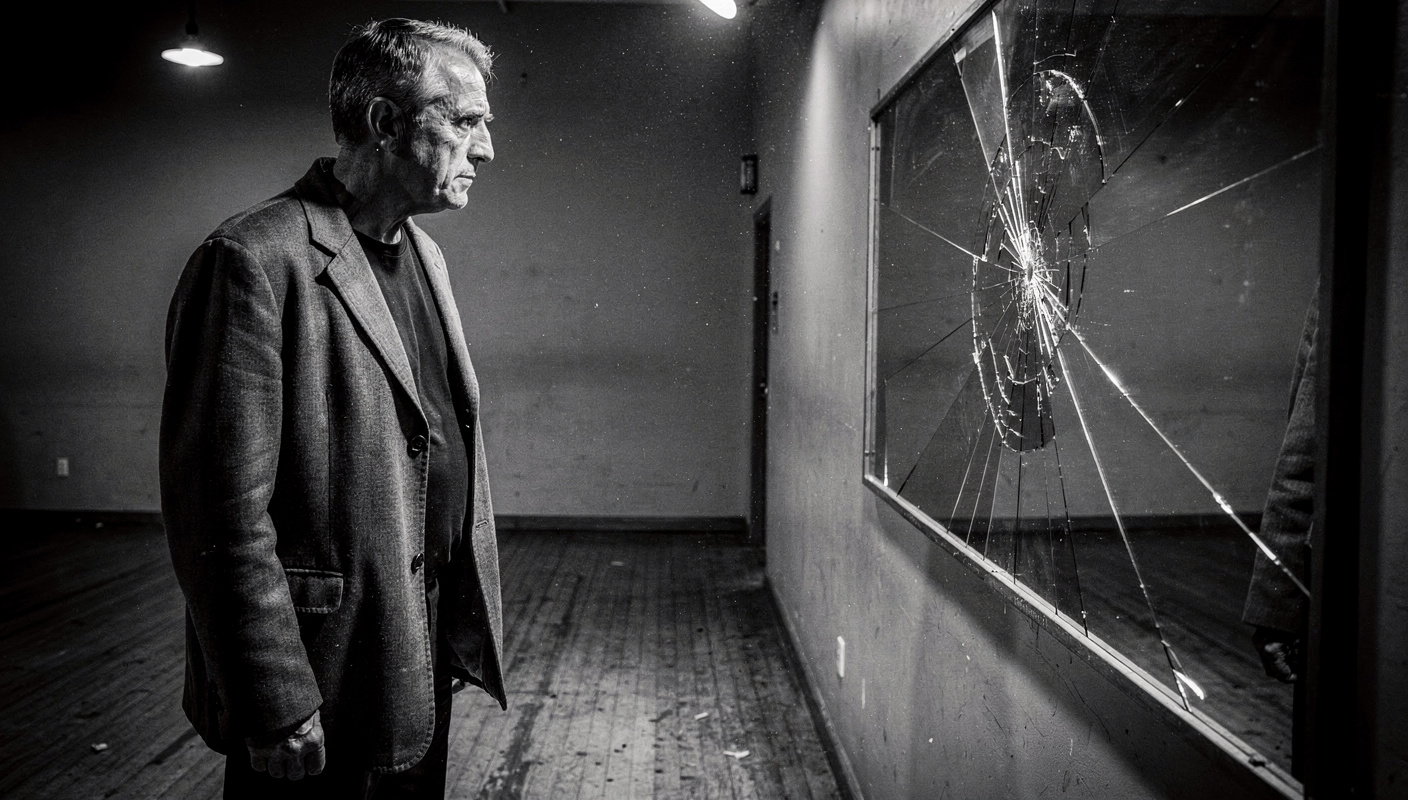
There was a manager I worked with years ago. Smart man. Genuinely cared about his team. He called a one-to-one to give a junior colleague some honest, constructive feedback. His words were careful and kind. But his arms were crossed tight across his chest, his jaw was set hard, and he barely made eye contact. The junior colleague left that room convinced she was about to be let go. The manager had no idea. His physical expression had told a completely different story.
That is the problem a physical expression framework solves. Under pressure, your body defaults to its habits, and those habits are rarely the ones that serve you. You tense. You close off. You fidget. You look away. And the person across from you reads every single signal before they process a single word you say.
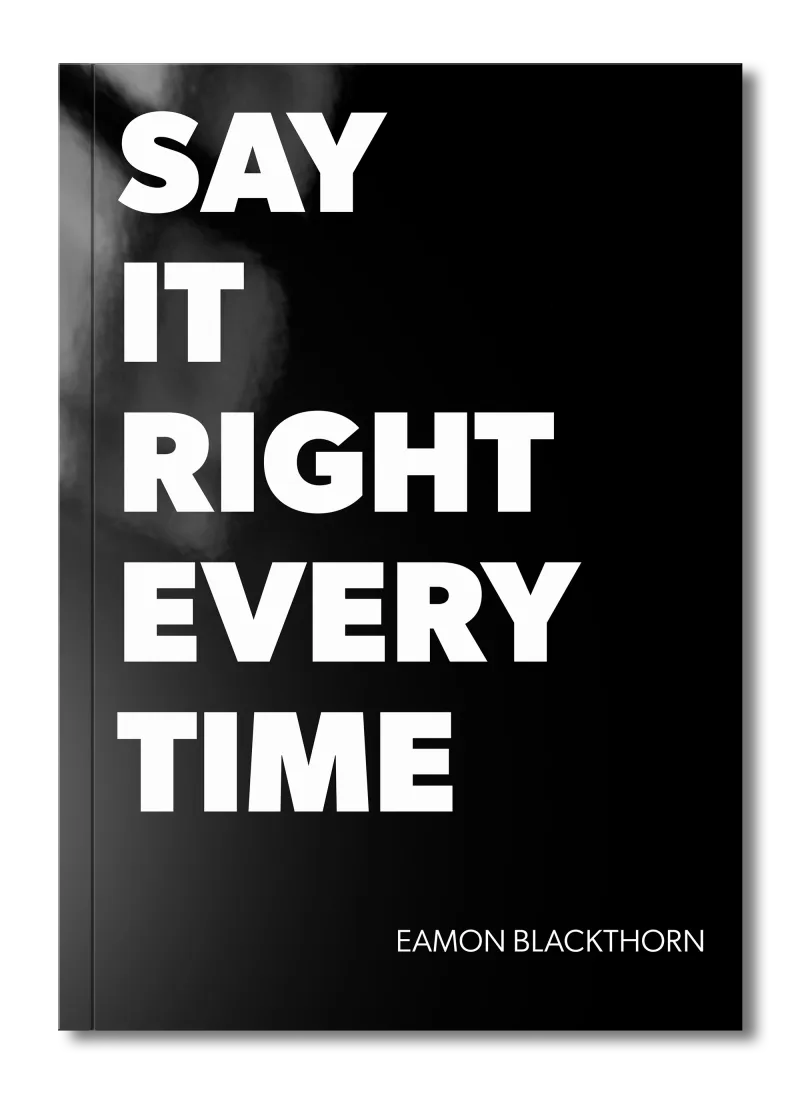
In Say It Right Every Time, I call this misalignment the invisible sabotage. Your intention is good. Your words are sound. But your body is broadcasting something else entirely. The C.O.R.E. Framework, which I introduce in Chapter 2 of Say It Right Every Time, gives you a structured physical expression framework to work with when instinct alone is not enough.
In this article, you will learn four frameworks and tools drawn from C.O.R.E. that give you a reliable structure for physical expression in any situation. If you want to explore how psychological safety affects whether people even feel safe enough to read your body language, What Is Psychological Safety and How It Drives Team Synergy is worth reading alongside this one.
Why Structure Matters More Than You Think
Most people believe physical communication is instinctive. You either carry yourself well or you do not. That is simply not true. Physical expression is a skill, and like every skill, it deteriorates under pressure without a system to fall back on.
Here is the truth of it: the moments when your body language matters most are the exact moments when you are least in control of it. Pressure, emotion, and high stakes strip away your natural awareness. That is precisely when a framework earns its place.
There are specific moments where having a physical expression framework makes the difference:
- When you are delivering difficult feedback, your instinct may be to look away or tense your shoulders, which signals guilt or aggression rather than care.
- When you are in conflict, crossed arms and a forward-jutting jaw escalate tension even when your words are conciliatory.
- When you are presenting to a senior audience, nervous gestures and collapsed posture undermine the confidence your content deserves.
- When emotions spike in a conversation, your face will show it before you choose to, and without a method to manage that, you lose control of the room.
- When you are listening and need the other person to feel heard, passive body language makes them feel dismissed even when you are paying close attention.
The frameworks in this article give you that structure. Use them until they become instinct.
"The Conversation You're Avoiding Is the One You Need to Have."
"The Conversation You're Avoiding
Is the One You Need to Have."
Stop rehearsing conversations you'll never have. Say It Right Every Time gives you 115 word-for-word scripts and 16 proven frameworks to speak with confidence in every conversation that matters.
Framework 1: The Clarity Pillar of C.O.R.E.
Name and plain-language summary: The Clarity Pillar is the first element of the C.O.R.E. Framework as outlined in Chapter 2 of Say It Right Every Time. In physical terms, Clarity means grounding your body before you open your mouth, so your physical presence signals intention rather than anxiety.
What it is designed for: This pillar addresses the physical expression problem that happens in the seconds before a difficult conversation begins. It is designed to settle your body and create a composed baseline from which everything else follows.
How it works:
Ground your feet. Plant both feet flat on the floor, hip-width apart. This is the physical anchor of the whole framework. When your feet are settled, your upper body follows. If you are standing, avoid shifting your weight from foot to foot, as that movement reads as uncertainty.
Lengthen your spine. Imagine a thread pulling gently from the crown of your head. This is not a military posture; it is a composed, upright one. Collapsed posture signals defeat before you speak. A long spine signals that you are present and ready.
Slow your breathing before you begin. Take one deliberate breath before your first sentence. This is not theatre; it gives your nervous system a moment to shift down, and it reads to the other person as calm and considered rather than reactive.
Example in use: Before a difficult team meeting, pause at the door, plant your feet, lengthen your back, and breathe once. You walk in settled. They notice.
When to use it: Use the Clarity Pillar at the start of any conversation where the stakes are high. The higher the tension, the more essential this grounding step becomes. It takes three seconds. Those three seconds change everything.
When not to use it: Do not over-engineer this in casual, low-stakes exchanges. Performing visible composure rituals in a quick hallway chat can read as stiff or odd. Save it for moments that genuinely demand it.
A quick example in practice: A team leader needs to address a recurring lateness issue with a valued colleague. Before entering the room, she plants her feet, rolls her shoulders back gently, and takes one breath. She sits down, faces the colleague squarely, and waits a beat before speaking. The colleague immediately reads the meeting as serious but not hostile.
Eamon's take: I have watched nervous speakers recover entire rooms simply by pausing and grounding before they began. The body is the first word. Make it count.
Framework 2: The Openness Pillar of C.O.R.E.
Name and plain-language summary: The Openness Pillar is the second element of the C.O.R.E. Framework. Physically, Openness means removing barriers between you and the other person through your posture, arm position, and orientation.
What it is designed for: This pillar directly addresses the defensive physical habits people fall into under stress: crossed arms, turned shoulders, closed-off positioning. It is designed for moments when the other person needs to feel safe enough to listen and respond honestly.
How it works:
Uncross your arms and legs. This is the single most impactful physical shift you can make. Crossed arms are not always a sign of defensiveness, but they are always read as one. Place your hands in your lap or rest them loosely on the table.
Face the other person squarely. Turn your torso so your chest faces theirs. This is a signal of full attention and engagement. A turned-away torso, even slightly, says you are already half-out of the conversation.
Keep your hands visible and still. Hidden hands create unease. Visible, calm hands signal honesty. Rest them open on the surface in front of you.
Example in use: During a conflict conversation, you place both hands flat on the table, palms slightly open, and turn to face the other person directly. The tension in the room drops a notch before either of you speaks.
When to use it: Use the Openness Pillar whenever you sense the other person is guarded or defensive. It is especially powerful in conflict situations, where physical openness can de-escalate tension faster than any words. This connects directly to the principles in How Empathy Bridges in Team Communication Create the Conditions for Lasting Synergy.
When not to use it: Forced openness in a context that does not warrant it can feel performative. If the conversation is brief and neutral, simply being natural is enough.
A quick example in practice: A project manager sits down with a colleague who has just pushed back hard on a decision. The manager uncrosses his arms, turns his chair to face the colleague fully, and rests both hands open on the table. He says nothing for a moment. The colleague's posture visibly softens.
Eamon's take: Here is something I learned the hard way: you can say every right word and still lose the conversation if your arms are crossed. Open your body. Open the door.
Framework 3: The Respect Pillar of C.O.R.E.
Name and plain-language summary: The Respect Pillar is the third element of the C.O.R.E. Framework. In physical expression terms, Respect means using deliberate, measured gestures and maintaining eye contact that says: I am taking this seriously and so are you.
What it is designed for: This pillar addresses the physical signals that either build or erode trust during a conversation. It is most critical in high-stakes exchanges where the other person is deciding whether you are worth listening to.
How it works:
Use deliberate, contained gestures. Wild or excessive hand movements read as agitation. Small, purposeful gestures that track with your words reinforce clarity. When you gesture, let it finish and return your hand to a neutral position.
Maintain steady, warm eye contact. This does not mean staring. It means holding eye contact for three to five seconds at a time, breaking naturally, and returning. Looking away too often signals discomfort. Holding too long signals aggression. Steady and warm is the target.
Match the pace of your physical movements to your words. Fast, jerky movements signal panic. Slow, fluid movements signal control. Your physical rhythm teaches the other person how to feel about the conversation.
Example in use: You lean forward slightly, make eye contact, and place one hand quietly on the table as you make your key point. You hold the gaze for three seconds. The other person nods.
When to use it: Use the Respect Pillar throughout any formal or emotionally charged exchange. It is the physical backbone of what I describe as respectful directness in Say It Right Every Time: saying what needs to be said, with care in every signal your body sends.
When not to use it: Do not over-manage your gestures in genuinely informal conversation. Rigid, over-controlled physicality reads as artificial in casual settings.
A quick example in practice: A team lead gives feedback on a missed deadline. She makes steady eye contact as she states the core concern. She uses one small, open-handed gesture to emphasise the impact. She pauses, returns her hand to neutral, and waits. The colleague feels seen, not scolded.
Eamon's take: Respect is not about avoiding the hard truth. It is about delivering that truth with every part of you, including your hands, your eyes, and the pace of your breath.
Framework 4: The Empathy Pillar of C.O.R.E.
Name and plain-language summary: The Empathy Pillar is the fourth and final element of the C.O.R.E. Framework. Physically, Empathy means using your facial expression, your lean, and your stillness to signal that you are genuinely with the other person, not just waiting for your turn to speak.
What it is designed for: This pillar addresses the physical signals that either invite or close down emotional honesty. It is built for moments when the other person needs to feel heard, particularly when emotions are running high.
How it works:
Soften your facial expression deliberately. A neutral, slightly soft expression with relaxed jaw muscles and a natural brow communicates safety. A tight jaw, furrowed brow, or flat expression signals judgment. You may feel neutral inside but look hostile without knowing it.
Use a gentle forward lean. Leaning slightly toward the other person, from the hips rather than the neck, signals that you are engaged and interested. This is a subtle but powerful signal. Leaning back reads as distance or dismissal.
Match their emotional energy with your stillness. When someone is upset, your calm, steady physical presence is a regulating signal. Your stillness gives them permission to slow down. This is the physical equivalent of the Empathy Bridge technique from Chapter 2, which involves acknowledging the other person's feelings before delivering your message.
Example in use: A colleague becomes visibly emotional during a performance discussion. You soften your expression, lean gently forward, and say nothing for a moment. Your stillness signals safety. They collect themselves and continue.
When to use it: Use the Empathy Pillar whenever emotions are close to the surface. It is your most important physical tool in conflict conversations, and it connects directly to preventing the amygdala hijack that silently blocks communication in high-pressure moments.
When not to use it: Do not perform empathy physically when you do not feel it. People read inauthenticity instantly. If you are genuinely frustrated, address that first before attempting to signal warmth you do not currently have.
A quick example in practice: A manager receives sharp pushback from a team member during a feedback session. Rather than stiffening or looking away, she softens her face, keeps her hands still on the table, and leans forward a few inches. She says: "I can see this is hitting hard. I want to understand what you are experiencing." The colleague's defensiveness drops.
Eamon's take: The most powerful physical signal you can send is stillness when someone else is storming. It takes courage and it takes practice. But it changes everything.
Framework 5: The 3-Second Pause as a Physical Reset
Name and plain-language summary: The 3-Second Pause is a micro-intervention technique from Chapter 2 of Say It Right Every Time. In physical expression terms, it is a deliberate three-second hold of your breath and body before you respond when emotions spike, giving your physical signals time to reset before they fire instinctively.
What it is designed for: This tool is specifically for the moment when you feel the urge to react physically: to lean forward aggressively, to cross your arms, to look away, or to tense visibly. It interrupts the reactive physical cycle before it begins.
How it works:
Feel the spike. Recognise the physical sensation of emotional escalation: heat in the chest, tension in the jaw, the urge to shift position. That sensation is your cue to pause, not react.
Hold your position for three seconds. Do not move. Do not speak. Simply hold the physical position you are in, breathe once, and let three seconds pass. This is harder than it sounds and more powerful than it appears.
Choose your physical response intentionally. After the pause, decide: where do my hands go, what does my face say, what does my posture signal. You are now responding, not reacting.
Example in use: Someone makes a comment that feels like a personal attack. You feel your jaw tighten. You pause three seconds, breathe, and then deliberately soften your shoulders before responding. The other person never sees the spike.
When to use it: Use the 3-Second Pause whenever you feel a strong physical reaction rising. It is most valuable in conflict conversations, and it works alongside the principles in How to Use the C.O.R.E. Framework to Stay Calm When Feedback Triggers a Defensive Reaction.
When not to use it: Do not use this tool so frequently that you appear non-responsive or disengaged. One deliberate pause is powerful. Constant pausing creates unease.
A quick example in practice: A senior leader challenges a presenter's numbers in front of the room. The presenter feels the heat rise. She holds still for three seconds, breathes, and then squares her shoulders and replies evenly. The room reads composure. The moment passes cleanly.
Eamon's take: Three seconds feels like three minutes when you are rattled. Do it anyway. Every time you do, you master your body instead of letting it master you.
How to Choose the Right Physical Expression Framework for Your Situation
Knowing the frameworks is only half the work. Knowing which one to reach for is the other half.
| Situation | Best Framework |
|---|---|
| About to enter a high-stakes conversation | Clarity Pillar: ground, lengthen, breathe |
| Other person appears guarded or closed off | Openness Pillar: uncross, face them, show hands |
| Delivering difficult feedback or hard news | Respect Pillar: steady eye contact, measured gestures |
| Emotions are running high in the room | Empathy Pillar: soften expression, lean in, hold still |
| You feel a strong reactive urge mid-conversation | 3-Second Pause: hold position, breathe, choose response |
| Conflict has escalated and trust is breaking | Openness and Empathy Pillars combined |
| Presenting to a senior or skeptical audience | Clarity and Respect Pillars in sequence |
When more than one framework seems relevant, start with the one that addresses your own body first. Clarity and the 3-Second Pause are your foundation. You cannot apply Openness or Empathy well if your own physical state is still reactive. Settle yourself before you try to signal safety to someone else. This is what I mean when I say connect before you correct, in physical terms: regulate your own signals first.
When in doubt, start with the simplest framework. Complexity is not strength.
Common Mistakes When Using Physical Expression Frameworks
Frameworks only work when you use them with discipline and genuine intention, not as a performance you put on for the room.
Performing openness without feeling it. Uncrossing your arms while your jaw is clenched and your eyes are avoidant sends a mixed signal that people read as dishonest. The physical and the internal need to be moving in the same direction, even if imperfectly.
Over-managing your gestures to the point of stiffness. Deliberately contained gestures are effective; robotically controlled movements are not. Practice these tools until they feel natural, not until they feel controlled.
Neglecting your face while managing your posture. Many people focus on their hands and shoulders while their face tells the real story. A tight jaw or furrowed brow can undo everything else you are doing correctly. As I explore in The Role of Emotional Intelligence in Team Synergy, emotional awareness includes physical self-awareness.
Skipping the Clarity Pillar and jumping straight to Empathy. If you have not grounded yourself first, your empathetic lean will come from a reactive body. The sequence of the framework matters. Clarity before Openness before Respect before Empathy.
Using the 3-Second Pause as avoidance. The pause is a reset, not a withdrawal. If you pause and then physically close off, you have turned a tool into a barrier. The pause must lead to a chosen, open response.
A framework used badly is still better than no framework. But a framework used well is a genuine advantage.
How to Start Using These Physical Expression Frameworks Today
Do not try to master all of these at once. That is a reliable path to trying nothing.
Begin with the Clarity Pillar for one week. Before every significant conversation this week, take five seconds to plant your feet, lengthen your spine, and breathe once. That is it. Do this every time, without exception. Notice what changes in how people receive you.
Add the Openness Pillar in week two. Once grounding is becoming automatic, bring conscious awareness to your arm and hand position. Check in at the start of each conversation: are my hands visible, is my torso facing the other person? Adjust and hold.
Practice the 3-Second Pause in low-stakes situations first. You do not want your first attempt at a deliberate pause to happen in a boardroom conflict. Practice it in small irritations: a slow queue, an unhelpful email, a minor disagreement. Build the habit where the stakes are low. The principles from How to Use the C.O.R.E. Framework to Restore Team Synergy After a Breakdown show how this kind of practice compounds over time.
Use the full C.O.R.E. sequence in one planned conversation per week. Pick one upcoming conversation that matters. Walk through all four pillars consciously before and during it. Debrief yourself afterward: what did your body do well, and where did the old habits creep back in?
Frameworks are tools. The more you use them, the less you have to think about them.
Key Takeaways
Here is what to carry with you from this article.
- Your body speaks before your mouth opens, and it often tells a different story than your words do. A physical expression framework gives you a method to align the two.
- The four pillars of C.O.R.E., Clarity, Openness, Respect, and Empathy, each address a specific physical habit that either builds or breaks trust in a conversation.
- The 3-Second Pause is your emergency reset. Use it the moment you feel a reactive physical response rising.
- Sequence matters. Ground yourself first, open yourself second, signal respect third, and communicate empathy fourth.
- Practice these tools in low-stakes situations first. Habits built in calm moments are available in stormy ones.
- Physical expression is a learnable skill. It is not a gift some people have and others do not.
For the emotional intelligence dimension of this work, explore The Role of Emotional Intelligence in Team Synergy. For applying these principles when feedback triggers a defensive reaction, How to Give Feedback That Strengthens Team Synergy Instead of Breaking It is where to go next.
This much I know for certain: the person who masters their physical expression framework earns trust before they say a word. That is worth every hour of practice.
Frequently Asked Questions (FAQ)
What is a physical expression framework?
A physical expression framework is a structured system for aligning your body language, posture, gestures, and facial signals with your spoken message. It gives you a repeatable method to use when pressure strips away your natural composure, so your body supports rather than contradicts your words.
How does the C.O.R.E. framework help with physical expression?
The C.O.R.E. framework organises physical expression into four pillars: Clarity, Openness, Respect, and Empathy. Each pillar guides a specific aspect of how your body communicates. Together they ensure your posture, gestures, eye contact, and facial signals all reinforce the same message your words are delivering.
Why does physical expression matter in communication?
Your body speaks before your mouth opens. People read posture, eye contact, and gesture before they process words. When your physical signals contradict your spoken message, trust breaks down. Alignment between body and words is what makes communication feel credible and safe to the person across from you.
How do you align body language with your message using a framework?
Start with the Clarity pillar: settle your posture and slow your breath before speaking. Then apply Openness by uncrossing your arms and facing the other person squarely. Use Respect through measured, deliberate gestures, and close with Empathy by softening your expression and leaning forward to signal genuine attention.
When should I use the C.O.R.E. physical expression framework?
Use the C.O.R.E. physical expression framework in any high-stakes conversation: difficult feedback sessions, conflict resolution, presentations, or moments when you sense tension rising. It is most valuable when stress tempts you to close off physically, because that is exactly when body language does the most damage to your message.
Can the C.O.R.E. framework help reduce nervous physical habits?
Yes. The framework gives your body specific, intentional positions to adopt, which directly replaces nervous habits like fidgeting, crossed arms, or broken eye contact. When you know where to place your hands and how to position your shoulders, your body has a job to do, and that purposefulness reduces anxiety considerably.