
In Short
This article covers five frameworks that use the confidence-competence loop to help you build lasting nonverbal habits through deliberate physical practice.
- The Confidence-Competence Loop: how physical rehearsal creates self-reinforcing growth
- The S.T.R.O.N.G. Method: a pre-conversation ritual that anchors your body before pressure hits
- The Power Posture Protocol: a grounding system for physical presence in any situation
The confidence-competence loop is a self-reinforcing cycle in which physical practice builds nonverbal competence, early successes generate confidence, and that confidence drives further practice. Applied to body language and physical expression, it explains how deliberate repetition creates lasting nonverbal habits that no longer require conscious effort.
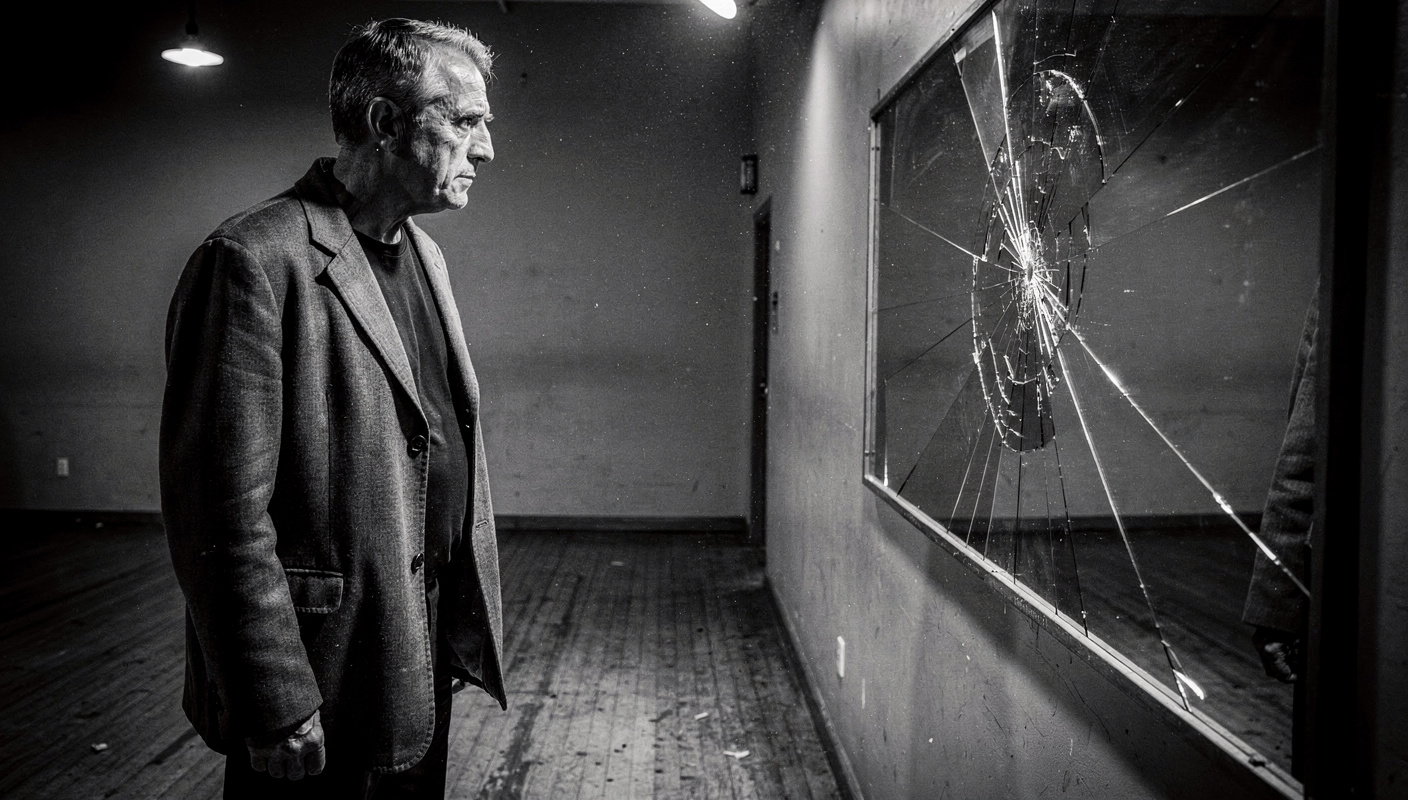
I watched a colleague walk into a boardroom presentation once, physically braced for impact. Shoulders pulled up, arms crossed tight, chin tucked low. She knew her subject cold. But her body told a different story entirely. Before she said a word, the room had read her as uncertain, and she could feel it. She lost the room in the first ten seconds, not because of what she said, but because of what her body communicated without her permission.
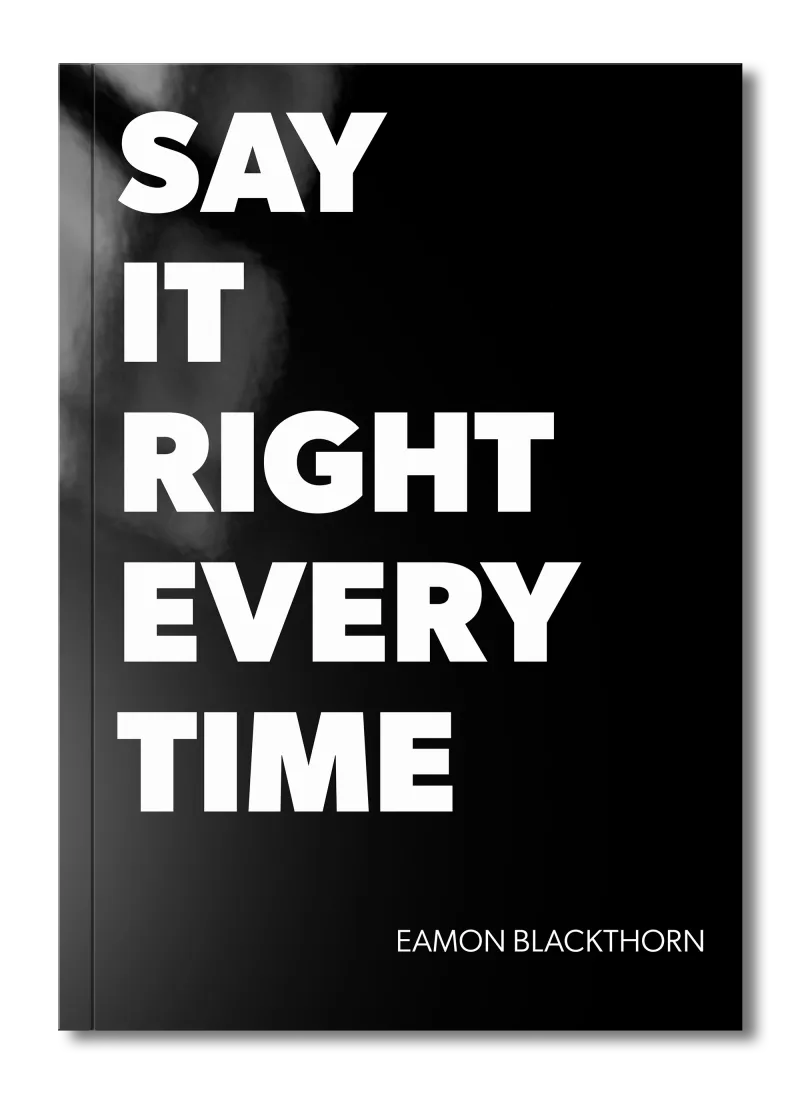
The confidence-competence loop explains what happened and, more importantly, what she could have done about it. In Say It Right Every Time, I introduce this concept in Chapter 3 as a core principle: confidence is not something you feel before you act. It is something you build by acting, especially through physical practice. You can find the full framework at Say It Right Every Time.
In this article, you will learn five frameworks that give you a reliable structure for physical expression in any situation. If you are also working on how your physical confidence affects your team, The Role of Emotional Intelligence in Team Synergy is worth reading alongside this one.
Why Physical Structure Matters More Than You Think
Most people believe confident body language is a personality trait. It is not. It is a physical skill, and like every physical skill, it is built through structured repetition, not wishful thinking.
Here is the hard truth: under pressure, your body defaults to its habits. When the stakes rise, you do not rise to the occasion. You fall to the level of your preparation. If you have practised nothing, your body goes back to its anxious baseline.
Having a framework for physical expression makes the difference in specific moments:
- When you walk into a high-stakes meeting and your hands begin to tremble, a practised grounding routine returns your body to a calm, open baseline before you say a word.
- When you receive unexpected criticism in front of others, a drilled posture habit keeps your physical presence steady even when your emotions are anything but.
- When a conversation begins to go badly and your instinct is to shrink, a rehearsed anchoring technique stops the collapse before it reads across your whole body.
- When you are introducing yourself to a room full of strangers, practised eye contact and gesture patterns project warmth and authority without requiring conscious effort.
- When nerves before a presentation spike your heart rate, a physical pre-performance ritual channels that energy into presence rather than visible anxiety.
The frameworks in this article give you that structure. Use them until they become instinct.
"The Conversation You're Avoiding Is the One You Need to Have."
"The Conversation You're Avoiding
Is the One You Need to Have."
Stop rehearsing conversations you'll never have. Say It Right Every Time gives you 115 word-for-word scripts and 16 proven frameworks to speak with confidence in every conversation that matters.
Framework 1: The Confidence-Competence Loop
The confidence-competence loop is a self-reinforcing growth cycle. Small physical wins build competence; that competence builds genuine confidence; that confidence motivates more practice. The loop keeps moving as long as you keep feeding it.
What it is designed for: This framework addresses the core problem of starting. Most people wait to feel confident before they practise their body language in real situations. The loop shows you that practise comes first, feeling confident comes second.
How it works:
Start with one small physical habit. Choose a single nonverbal element: holding eye contact for a full sentence, keeping your shoulders back during a standing conversation, or planting both feet flat and still during a presentation. Practise it deliberately in a low-stakes situation today. Example: Before a team stand-up, you commit to keeping your chin level and making eye contact with each person who speaks.
Register the small win. After the interaction, notice what went well physically. The loop only accelerates if you acknowledge the competence you have actually built. Skipping this step kills momentum. Example: You notice you held eye contact without looking away for three full exchanges. That is real.
Raise the stakes incrementally. Take the same habit into a slightly more pressured environment. Each successive win reinforces the loop. Each loop makes the next attempt feel less terrifying. Example: You practise the same eye contact in a one-on-one with your manager.
When to use it: Use this framework as your overall system for building any new physical communication habit. It is the meta-framework that the others sit inside.
When not to use it: Do not use this as a substitute for real-time preparation. The loop builds habits over time. It does not replace specific pre-conversation preparation for a difficult interaction happening in an hour.
A quick example in practice: A man I know was terrified of physical stiffness during client presentations. He started practising open-palm gestures in his kitchen while talking to himself. He moved to video calls, then small internal meetings, then large presentations. Each environment felt manageable because he had already earned the competence in the previous one.
Eamon's take: I have watched this loop change people who had given up on their body language entirely. The key is believing that doing the thing, imperfectly, is how the feeling of confidence eventually arrives.
Framework 2: The S.T.R.O.N.G. Method
The S.T.R.O.N.G. Method is a six-step pre-conversation ritual. It is a physical and mental preparation sequence you run before any high-stakes interaction to anchor your body and reduce the likelihood of anxiety overriding your presence.
What it is designed for: This framework is built for the moments just before pressure hits: outside the meeting room door, before you pick up a difficult phone call, or as you wait to be introduced to a room. It is a pre-launch sequence for your physical and emotional state.
How it works:
State your intention. Name to yourself what you want this conversation to accomplish. A clear intention reduces mental scatter and lets your body settle. Example: "I want to come across as calm, direct, and open to what they bring."
Take a breath. Not a polite breath. A deliberate, slow, diaphragmatic breath that drops your shoulders and reduces your heart rate. This is the most powerful physical intervention in the entire method. Example: Inhale for four counts, hold for two, exhale for six. Feel your chest and jaw unclench.
Respect all perspectives. Remind yourself that the person across from you has their own pressures. This mental shift opens your posture. People who feel defensive carry it in their body. Releasing the defensiveness releases the tension.
Offer specific examples. If you are bringing concerns or feedback, have them ready in your mind as concrete behaviours, not feelings. This reduces the anticipatory anxiety that tightens posture and gaze.
Navigate to solutions. Know one possible way forward. Physical anxiety is often about feeling trapped. Having a path reduces the sense of threat your body is responding to.
Gain commitment to action. Know what a successful physical close to this conversation looks like: a handshake, a decision confirmed, a follow-up agreed.
When to use it: Use the S.T.R.O.N.G. Method in the two to five minutes before any conversation you feel nervous about. It is ideal for performance reviews, difficult feedback conversations, and new client meetings.
When not to use it: This is a pre-conversation tool. Do not try to run through the steps mid-conversation. That is a different skill entirely.
A quick example in practice: Before a performance review she had been dreading, a manager I worked with ran the S.T.R.O.N.G. sequence in the corridor outside the room. She walked in with her shoulders back, made immediate eye contact, and opened with a direct statement of intent. The conversation was still hard. But she was present for it.
Eamon's take: As I describe in Chapter 3 of Say It Right Every Time, technique is the what but confidence is the how. The S.T.R.O.N.G. Method is how you put your body in the right state to deliver both.
Framework 3: The Power Posture Protocol
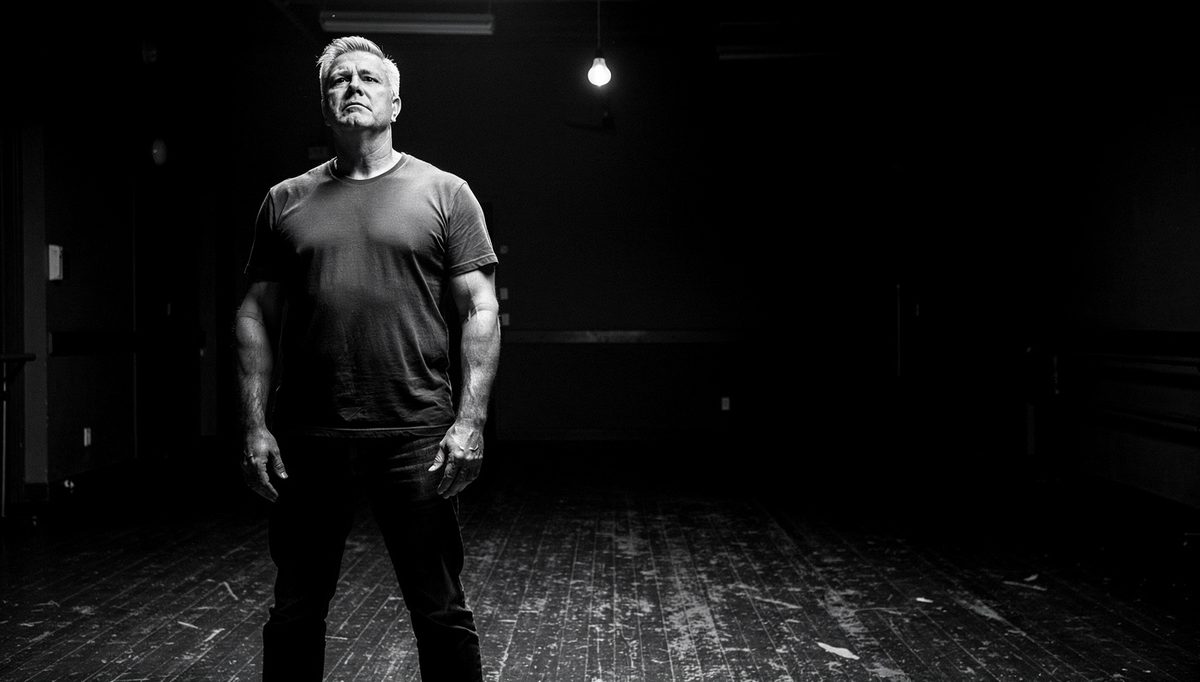
The Power Posture Protocol is a grounding system for physical presence. It is a set of body positions you practise regularly until they become your default physical state, not a conscious performance you put on when you remember to.
What it is designed for: This framework targets the most common physical expression failure: the slow collapse. Shoulders forward, weight shifted, chin down. It builds the muscular and neurological habits that hold you open and grounded even when pressure is high.
How it works:
Plant your feet. Shoulder-width apart, weight even on both feet. This is the physical foundation of presence. It is almost impossible to look fully confident when your weight is on one hip or your feet are crossed. Example: Before you begin speaking in any meeting, check your feet first.
Open your chest. Shoulders back and down, not pulled up toward your ears. Your chest open and facing the person you are speaking with. Closing the chest is the body's fear response. Opening it is the body's courage response. Example: As you introduce yourself, imagine there is a string gently pulling your sternum forward and up.
Level your chin. Not lifted in arrogance and not tucked in submission. Chin parallel to the floor. This position signals that you are neither defensive nor aggressive. Example: When you receive criticism, keep your chin level. The instinct is to drop it. Resist.
Soften your hands. Open, relaxed hands at your sides or resting on a surface communicate honesty and calm. Fists, crossed arms, and hands jammed in pockets all communicate the opposite.
When to use it: Practise the power posture in private every day. Apply it in every real interaction, starting with the lowest-stakes ones. The habit must be built before it can be relied upon. What Is Psychological Safety and How It Drives Team Synergy explores how physical openness connects to the safety that teams need to communicate well.
When not to use it: Be careful in cultures or relationships where imposing physical presence reads as domineering. Read the room. Presence is not the same as dominance.
A quick example in practice: I used to hunch badly in difficult one-on-ones. My old habit was to lean back and cross my arms when challenged. I practised the open posture at my kitchen table every morning for three weeks before I trusted it in a live conversation. The day I held it under real pressure, I noticed the other person relax visibly. Presence is contagious.
Eamon's take: Your body is sending a message before your mouth opens. Make sure it is the message you intend to send.
Framework 4: The Conversation Pre-Mortem
The Conversation Pre-Mortem is a pre-conversation anxiety-reduction exercise. You identify the worst physical and emotional outcomes you fear, assess how likely they actually are, and prepare a physical and verbal response for each one.
What it is designed for: This framework directly targets anticipatory anxiety, the kind that tightens your jaw, raises your shoulders, and shortens your breath before a difficult conversation even begins. By naming the feared outcomes in advance, you reduce the amygdala's threat response and keep your body available for real communication.
How it works:
Name the specific physical fear. Not "I am nervous" but "I am afraid my voice will shake when I make the ask" or "I am afraid I will freeze and lose eye contact." Specific naming reduces the fear's physical grip. Vague dread has nowhere to go. Named fear can be addressed. Example: "I am afraid I will flush red and the room will notice."
Rate the actual likelihood. On a scale of one to ten, how likely is this physical outcome? Most people rate their feared outcomes at nine or ten. The real number is usually three or four. Honest assessment alone reduces physical tension. Example: "Realistically, it is a four. It has happened twice in ten years."
Prepare a physical recovery plan. If the feared outcome does happen, what do you do with your body? Pause, take a breath, re-plant your feet. Having a physical plan turns the fear from a threat into a solvable problem. Example: "If my voice shakes, I pause, take one breath, and resume at a slower pace."
When to use it: Use this the evening before or the morning of any conversation you are actively dreading. It works best with at least thirty minutes of calm time, not in the car on the way there.
When not to use it: Do not use this framework for routine conversations. Reserve it for the interactions that are genuinely keeping you awake. Overusing it creates its own anxiety.
A quick example in practice: Before a meeting where she had to challenge her director's decision publicly, a client of mine ran through three feared physical outcomes the night before. She had a recovery plan for each. During the meeting, one of them happened: her hands shook as she gestured. She paused, planted her hands flat on the table, and continued. Nobody remembered the shake. Everyone remembered the clarity. For more on how preparation connects to feedback delivery, see How to Use the Empathy Bridge Before Delivering Critical Feedback.
Eamon's take: The pre-mortem does not stop hard things from happening. It stops hard things from being catastrophic when they do.
Framework 5: The Three-Step Mistake Recovery
The Three-Step Mistake Recovery is a physical and verbal process for handling fumbled words, visible nerves, or missteps mid-conversation. The three steps are Acknowledge, Correct, and Move On. I cover this in Chapter 3 of Say It Right Every Time.
What it is designed for: This framework is for the moment after something has gone wrong physically or verbally in a live conversation. It gives your body and your voice a clear path back to composure, rather than letting one mistake spiral into visible collapse.
How it works:
Acknowledge. Name what happened, briefly and without drama. Do not pretend it did not happen. Do not apologise at length. A short, direct acknowledgment tells the other person you are self-aware and composed. Example: "You know what, that did not come out right. Let me try again."
Correct. Restate what you intended to say, more slowly and clearly than before. As you do, reset your posture: feet planted, shoulders back, eye contact steady. The physical reset is as important as the verbal one. Example: "What I mean is this: I think the timeline is too tight, and here is why."
Move On. Do not return to the mistake. Do not reference it again. The fastest way to make the room forget a stumble is to walk forward as though it was simply a small detour, not a defining moment.
When to use it: Use this immediately after any verbal stumble, unintended word choice, or moment where you visibly lost composure. The faster you apply it, the more confident the recovery reads.
When not to use it: Do not use this to brush past something genuinely harmful or offensive. If real damage was done, a full apology is needed. This framework is for stumbles, not for serious errors of judgment or respect. How to Use the S.B.I. Method to Give Feedback That Actually Changes Behavior gives you a structure for the more serious repair conversations.
A quick example in practice: I was mid-sentence in a workshop once when I mispronounced a participant's name, twice, in a row. The room noticed. I stopped, looked directly at her, said, "I apologise, I want to get that right. How do you say it?" She told me. I repeated it clearly. And then I moved on. She told me at the end of the day that the moment had actually made her trust me more, not less.
Eamon's take: Your ability to recover from a mistake with physical composure is often more impressive than not making a mistake at all. The confidence-competence loop rewards recovery as much as it rewards perfection.
How to Choose the Right Framework for Your Situation
Knowing the frameworks is only half the work. Knowing which one to reach for is the other half.
| Situation | Best Framework |
|---|---|
| Building a new body language habit over weeks | Confidence-Competence Loop |
| Preparing your body before a high-stakes meeting | S.T.R.O.N.G. Method |
| Maintaining physical presence under sustained pressure | Power Posture Protocol |
| Managing dread and anticipatory anxiety beforehand | Conversation Pre-Mortem |
| Recovering from a visible stumble mid-conversation | Three-Step Mistake Recovery |
| Ongoing daily practice across all nonverbal habits | Power Posture Protocol + Confidence-Competence Loop |
| First-time difficult conversation with real emotional stakes | S.T.R.O.N.G. Method + Conversation Pre-Mortem |
When more than one framework applies, trust your gut about where the bigger problem lies. If the primary issue is anxiety before the conversation, use the Pre-Mortem or the S.T.R.O.N.G. Method. If the primary issue is a habit that keeps collapsing under pressure, work the Loop first. For teams building shared physical communication habits together, How the Confidence-Competence Loop Explains Why Some Teams Build Synergy Faster Than Others brings these ideas into the group context.
When in doubt, start with the simplest framework. Complexity is not strength.
Common Mistakes When Using These Frameworks
Frameworks only work when you use them with discipline, not as a script you recite when you suddenly remember them under pressure.
Practising only in your head. Reading about power posture is not the same as standing in it for ten minutes a day until your body knows it. Physical expression habits are built through physical repetition, not mental rehearsal alone.
Skipping the low-stakes practice phase. The confidence-competence loop requires you to build the habit in safe conditions before you need it in dangerous ones. Trying a new body language habit for the first time in a high-stakes meeting is a recipe for awkwardness, not confidence.
Using the S.T.R.O.N.G. Method too close to the conversation. Running a six-step pre-conversation ritual in the thirty seconds before you walk through the door does not work. It needs at least two to five quiet minutes to land properly. Build the time in.
Treating the Pre-Mortem as a reason to catastrophise. The exercise is designed to surface fears and reduce their power through honest assessment. If you find yourself only naming fears and never rating their likelihood or planning a response, you are running half the framework and doubling the anxiety.
Abandoning the Three-Step Recovery after step two. The most common failure is acknowledging the stumble, correcting it clearly, and then circling back to apologise again two minutes later. Move on means move on. Trust the framework.
A framework used badly is still better than no framework. But a framework used well is a genuine advantage.
How to Start Using These Frameworks Today
Do not try to master all of these at once. Pick one and use it until it becomes automatic before you reach for the next.
Choose your entry point. If you have an important conversation coming up in the next week, start with the S.T.R.O.N.G. Method or the Pre-Mortem. If you want to build a longer-term habit, start with the Power Posture Protocol. Apply it daily for two weeks before you add anything else.
Set a physical practice trigger. Attach your chosen physical habit to something you already do every day: your morning coffee, your first meeting of the day, or the moment you sit down at your desk. The trigger keeps the practice consistent without requiring willpower.
Keep a brief log for two weeks. After each practice session or real conversation, write two sentences: what your body did well physically, and what you want to adjust next time. Reflection is what turns experience into wisdom, and this is how the confidence-competence loop keeps accelerating. For a deeper look at how How to Use the Confidence-Competence Loop to Make Your Team Synergy Conversations Less Terrifying, the same loop applies.
Review and add. After two weeks of consistent practice with one framework, introduce a second. Build your toolkit gradually. The compound effect I describe in Chapter 16 of Say It Right Every Time applies here: small, consistent physical improvements produce results that surprise you.
Frameworks are tools. The more you use them, the less you have to think about them.
Key Takeaways
Here is what to carry with you from this article.
- The confidence-competence loop works in reverse of what most people assume: you build confidence by practising physical expression, not by waiting until you feel confident enough to practise.
- The S.T.R.O.N.G. Method is a pre-conversation physical anchor. Use it before any conversation that matters.
- Power posture is not a performance. It is a practised default. Build it through daily repetition in low-stakes situations.
- The Conversation Pre-Mortem reduces anticipatory anxiety by naming, rating, and preparing for your specific physical fears in advance.
- The Three-Step Mistake Recovery gives your body a clear path back to composure. Acknowledge, Correct, and Move On.
- Physical expression habits are built the same way every other skill is: through deliberate, consistent practice over time.
For more on how these physical habits connect to group dynamics, Emotional Intelligence in Feedback Conversations and How to Use the Confidence-Competence Loop to Make Your Team Synergy Conversations Less Terrifying are both worth your time. The full system, including 16 frameworks and the 60-Day Transformation Plan, lives in Say It Right Every Time.
The confidence-competence loop does not care how nervous you are today. It only asks whether you practised.
Frequently Asked Questions (FAQ)
What is the confidence competence loop in nonverbal communication?
The confidence-competence loop is a self-reinforcing cycle where physical practice builds nonverbal competence, small wins build confidence, and that confidence drives more practice. In body language terms, rehearsing posture and gesture builds the physical habits that make confident communication feel natural over time.
How do you use the confidence competence loop to improve body language?
Start with one physical habit, such as posture or eye contact, and practise it deliberately in low-stakes situations. Each small success builds confidence, which makes the next practice session easier. Over weeks, the habit becomes automatic and your nonverbal communication improves without conscious effort.
How long does it take to build nonverbal habits through physical practice?
Most people begin noticing consistent improvement in body language habits after four to six weeks of daily deliberate practice. The confidence-competence loop accelerates this because early small wins reduce anxiety and increase the frequency and quality of practice, compounding results faster than willpower alone.
What is power posture and how does it help with physical expression?
Power posture means holding your body in an open, upright, grounded position: feet planted, shoulders back, chin level, weight evenly distributed. It signals confidence to the people you are with and, through physical feedback to your nervous system, reduces anticipatory anxiety before and during difficult conversations.
Can physical rehearsal replace natural confidence in communication?
Physical rehearsal does not replace confidence. It builds it. The confidence-competence loop shows that confidence is the result of action, not a prerequisite for it. Rehearsing nonverbal habits in safe conditions creates the competence that generates genuine, durable confidence over time.
What is the S.T.R.O.N.G. Method and how does it connect to physical expression?
The S.T.R.O.N.G. Method is a six-step pre-conversation ritual covering State your intention, Take a breath, Respect all perspectives, Offer specific examples, Navigate to solutions, and Gain commitment. The Take a breath step directly anchors physical expression, using controlled breathing to regulate your body and stabilise nonverbal signals before a high-stakes conversation.