
What Happened
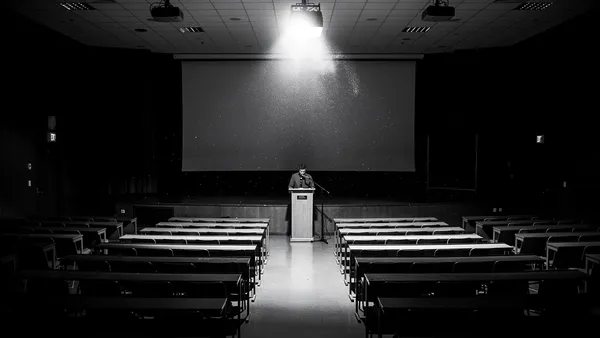
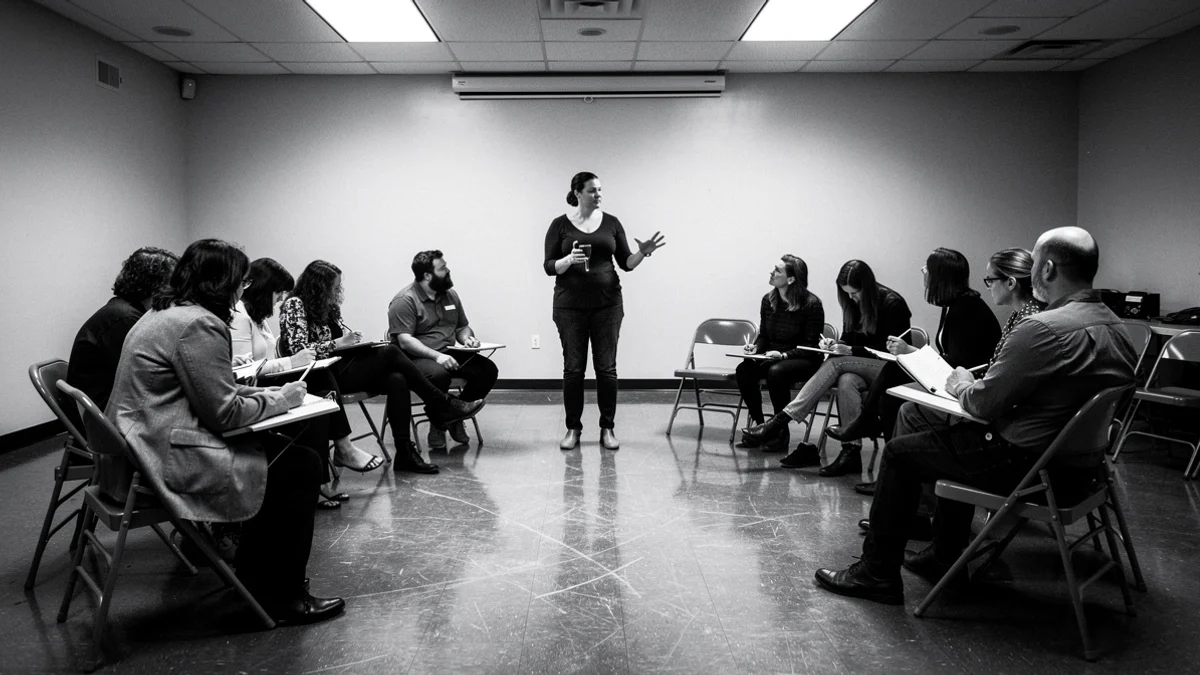
On July 31, Toastmasters International District 41 gathered club officers from across Bangladesh for its Leadership Institute training event in Dhaka. The session covered Division E and Division F officers, focusing on sharpening leadership, communication, and club management ahead of the 2026 to 2027 program year. The format combined keynote presentations with structured skill-building sessions.
The Communication Angle
Here is what most leadership training gets wrong: it teaches people what to say without ever addressing how they say it. District 41 avoided that trap. By bringing club officers together in one room, under one roof, for one focused day, they created the conditions that actually change behavior. Proximity matters. Shared context matters. You cannot replicate a room full of people practicing real communication in a video call.
The structure of this event reveals smart design thinking. Keynote presentations set the stakes. They remind people why the work matters before anyone asks them to do the hard part. That sequencing is not accidental. If you open with mechanics, you lose the room. If you open with purpose, people lean in. District 41 got that right.
Club officer training also solves a specific and often ignored problem: most people in leadership roles were never taught to lead out loud. They know how to sit in a meeting. They do not know how to run one. They know how to speak when called on. They do not know how to open a room, hold attention, or redirect a conversation that has gone sideways. This kind of structured practice, in front of peers who share the same challenges, is where those skills actually get built.
There is one thing I would push further, though. Events like this tend to front-load the inspiration and underfund the repetition. A keynote is a spark. Practice is the fire. The ratio should be closer to one part keynote and three parts doing the thing, out loud, with real feedback delivered in real time. If District 41 built that ratio into their sessions, they ran an exceptional program. If they leaned on the speeches, the officers went home motivated but not necessarily more skilled.
This is exactly the kind of scenario I break down in Say It Right Every Time. The chapter on structured practice explains why hearing good communication advice and actually being able to use it under pressure are two completely different things. Most training programs confuse inspiration with instruction. There is a framework in that chapter for designing any session, meeting, or workshop so that people leave with a repeatable skill rather than a fading feeling. The District 41 model points in the right direction. That chapter shows you how to complete the circuit.

Never Be Lost
for Words Again
Get word‑for‑word scripts for the conversations that shape your life, from job interviews and negotiations to difficult talks with family and partners, so you always know exactly what to say and how to say it.
Never Be Lost
for Words Again
Get word‑for‑word scripts for the conversations that shape your life, from job interviews and negotiations to difficult talks with family and partners, so you always know exactly what to say and how to say it.
Key Takeaway
Before your next team meeting or leadership session, name the one skill you want every person to leave with. Not a theme, not a goal. One specific skill. Then design backward from that. Every agenda item should either build toward that skill or get cut. District 41 assembled officers to strengthen communication and club management. Pick your equivalent and structure the entire time around practicing it, not just hearing about it.