

What Happened
Senior executives with sterling track records are consistently losing out on top-level roles not because they lack the credentials, but because they fail at the interview stage. These are people with decades of leadership experience, board exposure, and measurable results. Yet something breaks down the moment they sit across from a hiring panel. That breakdown is almost always a communication problem, not a competency one.
The Communication Angle
Picture this: a Chief Operating Officer with 25 years of experience walks into a final-round interview for a CEO role. She has restructured companies, led teams through crises, and delivered consistent growth. She knows the answer to every question. And that is exactly the problem.
She answers like she already has the job. She speaks in conclusions, not journeys. When asked about a past failure, she pivots to what she fixed. When asked about her leadership philosophy, she recites it like a mission statement. She is polished, prepared, and completely unconvincing.
Here is what is actually happening in that room. The hiring panel is not evaluating her resume. They already read it. They are evaluating whether they can trust her with the messiest, most ambiguous problems the organization faces. And trust is not built through credentials. It is built through specificity, vulnerability, and narrative. She is giving them a highlight reel when they need a conversation.
The communication failure here is structural. Senior executives are trained over decades to project certainty. Certainty closes deals, settles teams, and signals strength. But in an interview for a top role, that same certainty reads as rigidity. The panel hears: "I have all the answers." What they want to hear is: "I know how to find the answers, and here is how I think." That is a completely different signal, and it requires a completely different communication approach. It means opening with context before conclusions. It means naming the tension in a past decision before explaining the resolution. It means saying "I got that wrong, and here is what I would do differently" without flinching.
The fix is not about being more humble or more likable. It is about being more specific. Not "I led a major transformation" but "We were 90 days from a liquidity crisis, I had three board members pushing in different directions, and I had to pick one path and sell it fast." That kind of specificity does two things at once: it proves competence and it shows self-awareness. Those two things, delivered together, are what actually land.
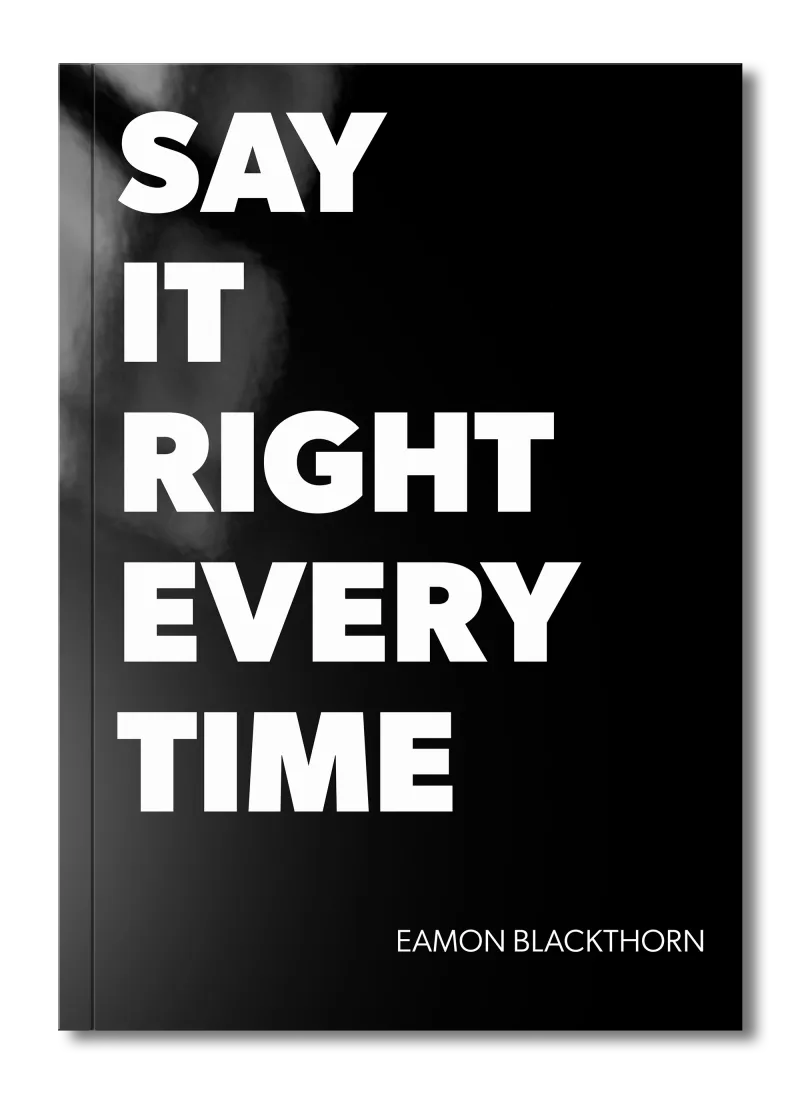
This is exactly the kind of scenario I break down in Say It Right Every Time. The chapter on high-stakes narrative gives you a framework for structuring real-time stories so they build trust instead of just demonstrating competence. There is a specific difference between those two things, and most senior professionals have never been taught it because nobody around them was brave enough to say it.
Never Be Lost
for Words Again
Get word‑for‑word scripts for the conversations that shape your life, from job interviews and negotiations to difficult talks with family and partners, so you always know exactly what to say and how to say it.
Never Be Lost
for Words Again
Get word‑for‑word scripts for the conversations that shape your life, from job interviews and negotiations to difficult talks with family and partners, so you always know exactly what to say and how to say it.
Key Takeaway
Before your next senior-level interview, write out your three strongest career stories. For each one, your first sentence must name the specific problem, not your role or the outcome. The problem. If you cannot open with the problem in one clear sentence, you do not know the story well enough yet. Practice until you can.