
What Happened
Researchers studying science communication discovered something counterintuitive: when audiences drive the questions instead of scientists controlling the message, the resulting communication is more trusted but harder to keep accurate. The study examined audience-initiated science journalism, where readers and viewers set the agenda. What they found challenges everything traditional science communicators think they know about clarity and control.
The Communication Angle
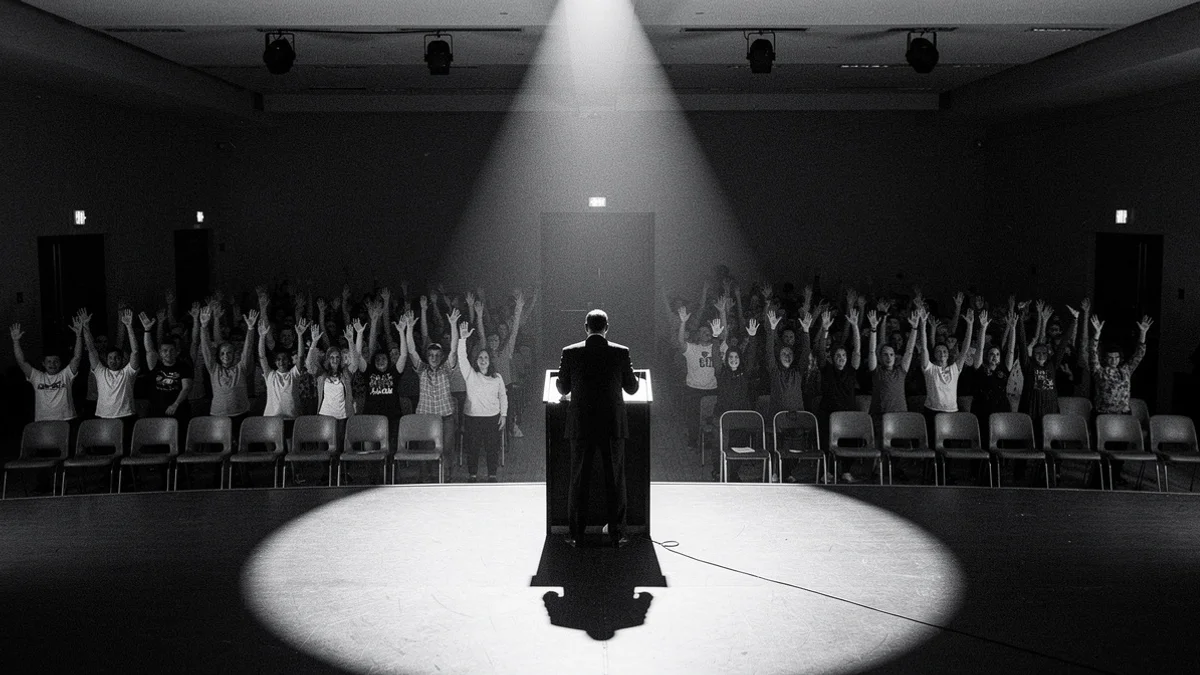
Picture a scientist who has spent fifteen years studying viral transmission. She knows the material cold. She walks into a public forum expecting to explain her findings on her terms. Then the audience starts asking questions she never prepared for. Not about the science itself, but about what it means for their kids, their jobs, their distrust of last year's contradictory headlines. She is no longer the expert holding court. She is a responder. And most scientists have no idea how to do that well.
This is the real story behind this research. The paradox it identifies is not academic. When people get to ask their own questions, they engage more. Their guards come down. But the communicator loses the carefully constructed narrative that keeps complex science from being misunderstood. You gain trust and lose precision at the same time. That is not a small problem. That is the central tension of public science communication, and almost nobody is training scientists to handle it.
The failure mode here is predictable. Scientists pivot back to their prepared points instead of actually answering what was asked. The audience notices immediately. They feel dismissed. The trust that audience-driven conversation was supposed to build collapses fast. I have seen this happen in corporate boardrooms and congressional hearings just as often as in science forums. The instinct to control the message is understandable. It is also a communication killer.
What actually works is a technique I call "anchor and adapt." You come in with three core truths you will not abandon no matter what direction the conversation takes. But you let the path to those truths be shaped by what the audience needs to know, not what you planned to say. When someone asks an unexpected question, you answer it directly first. Then, and only then, you connect it to one of your anchors. The audience feels heard. You stay accurate. Nobody has to lose.
The lesson from this research is that preparation cannot be about controlling the conversation. It has to be about knowing your material so well that you can meet the audience wherever they are.
This is exactly the kind of scenario I break down in Say It Right Every Time. The chapter on responding under pressure gives you a framework for holding your ground without sounding defensive. Most people think staying on message means ignoring what was asked. It does not. It means knowing your material well enough to answer honestly and still land where you need to land. That skill is learnable. It just requires a very different kind of preparation than most communicators ever do.

Never Be Lost
for Words Again
Get word‑for‑word scripts for the conversations that shape your life, from job interviews and negotiations to difficult talks with family and partners, so you always know exactly what to say and how to say it.
Never Be Lost
for Words Again
Get word‑for‑word scripts for the conversations that shape your life, from job interviews and negotiations to difficult talks with family and partners, so you always know exactly what to say and how to say it.
Key Takeaway
Before your next public presentation or media interview, write down three facts you absolutely will not let get distorted, no matter what questions come up. Memorize them like exits on a highway. Then practice answering five hostile or off-topic questions by returning naturally to one of those three facts each time. Do this out loud, not in your head. That rehearsal is the difference between a communicator who gets rattled and one who stays credible under pressure.