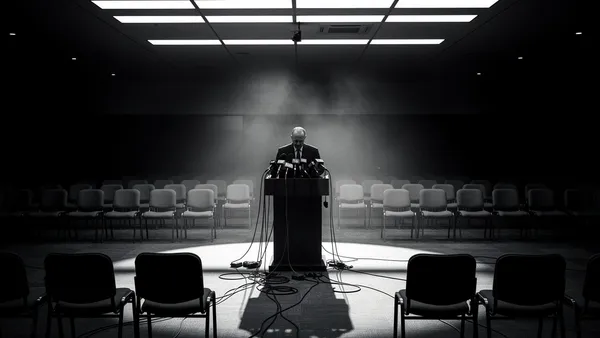

What Happened
When a PR crisis hits, most organizations freeze. A recent piece in Lexology tackled the mechanics of reputation damage control, outlining how companies can contain fallout before it becomes permanent. The core argument: survival depends not on what went wrong, but on how fast and how honestly you respond. The clock starts the moment the story breaks, not when your legal team finishes reviewing your statement.
The Communication Angle
Here is the lesson, stated plainly: your reputation does not die from the crisis. It dies from your silence during the crisis.
I have watched executives spend 72 hours in legal huddles while Twitter burned their brand to the ground. By the time they emerged with a polished, lawyered-up statement, nobody cared about the words anymore. The story had already been written without them. Public narratives fill vacuums. If you are not speaking, someone else is, and they are not being kind.
The first practical move is to separate speed from completeness. You do not need all the answers before you open your mouth. You need three things: an acknowledgment that something happened, a signal that you take it seriously, and a timeline for when you will say more. That is it. That is your first statement. Forty words or fewer. No spin, no passive voice, no corporate softness. "We are aware of what happened. It is unacceptable. We will have a full response by Thursday at noon." Done.
The second move is to pick one voice and stick to it. Crisis communication collapses when three different spokespeople give three slightly different accounts. Reporters notice inconsistencies. Audiences notice inconsistencies. Every variation becomes a new headline. Designate one person who knows the facts, can stay calm under pressure, and has the authority to speak for the organization. Not the most senior person. The most prepared person.
The third move is harder, because it requires honesty about something most executives resist. You must define what you are actually sorry for. A vague apology ("we are sorry if anyone was offended") is not an apology. It is an accusation dressed up as one. It tells the audience that you believe they are overreacting. Real accountability requires specificity. Name what happened. Name who was affected. Name what changes as a result. Vague regret is worse than silence, because it proves you understood the situation and chose to dodge it anyway.
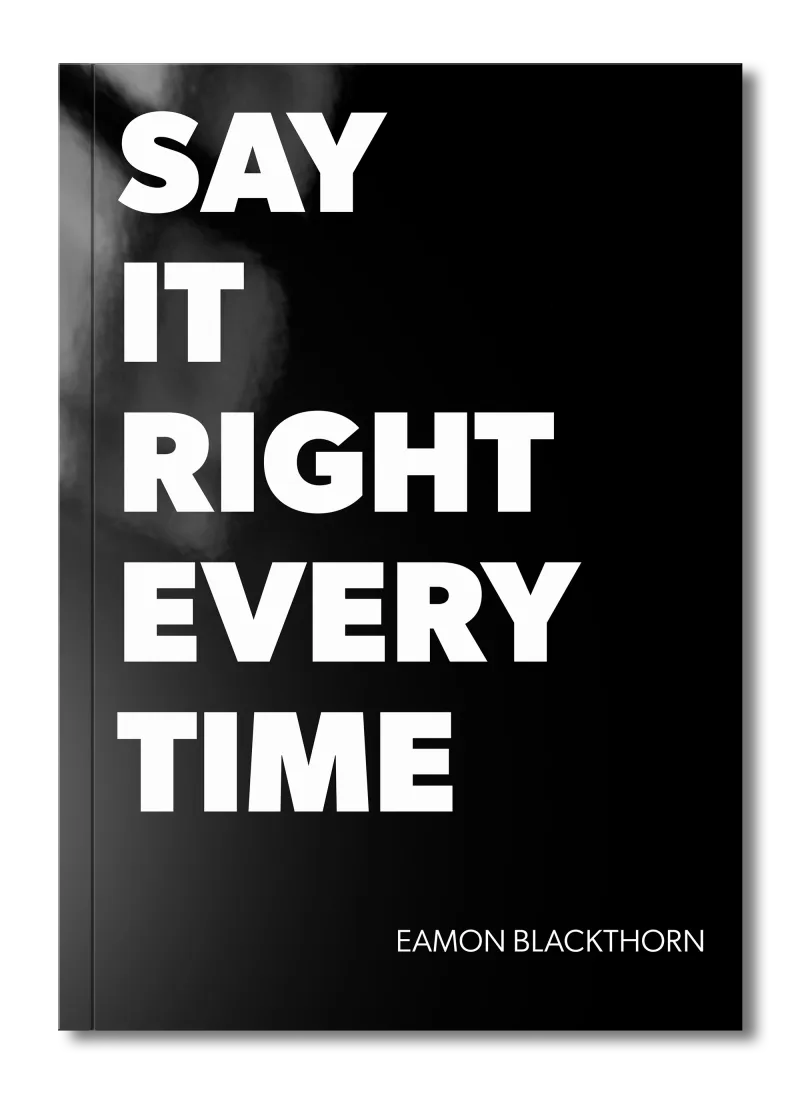
This is exactly the kind of scenario I break down in Say It Right Every Time. The chapter on high-stakes statements gives you a framework for building responses that are honest without being reckless, fast without being careless. The key principle there is what I call "anchored transparency": you commit to what you know, you name what you do not yet know, and you give people a reason to keep listening instead of assuming the worst. That chapter alone has saved more than a few careers.
Never Be Lost
for Words Again
Get word‑for‑word scripts for the conversations that shape your life, from job interviews and negotiations to difficult talks with family and partners, so you always know exactly what to say and how to say it.
Never Be Lost
for Words Again
Get word‑for‑word scripts for the conversations that shape your life, from job interviews and negotiations to difficult talks with family and partners, so you always know exactly what to say and how to say it.
Key Takeaway
Before your next potential crisis moment, whether that is a product failure, a public mistake, or a difficult announcement, write down this sentence and fill in the blanks: "We did (specific action), it caused (specific harm), and starting (specific date) we are doing (specific change)." That structure forces you out of corporate language and into human accountability. Keep it in a drawer. When the moment comes, you will not have time to build it from scratch.