
What Happened
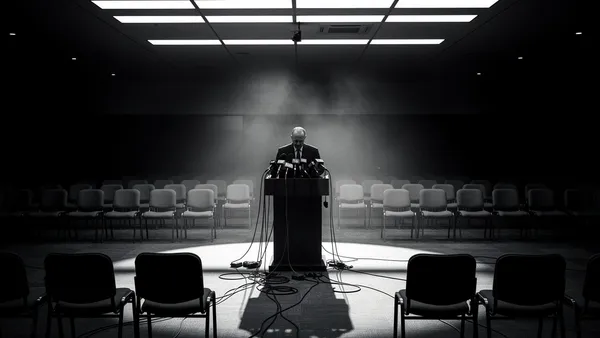
Brands routinely face the fallout when a spokesperson, influencer, or hired talent goes off-script in damaging ways. The pattern is always the same: a crisis erupts, the brand scrambles, and a playbook gets assembled after the fact. The real story here is not about damage control. It is about the communication failures that happen months before anything goes wrong, during vetting, contracting, and alignment.
The Communication Angle
Most brands treat talent vetting as a legal and PR exercise. They run background checks, scan social feeds, and have lawyers draft morality clauses. What they almost never do is have a direct, honest conversation with the talent about values alignment. That omission is where crises are born.
Here is what actually happens: a brand selects talent based on reach and aesthetic fit, hands them brand guidelines in a PDF nobody reads, and assumes shared understanding exists because a contract was signed. It does not. A contract tells someone what they cannot do. It tells them nothing about what the brand actually stands for or how to speak about it under pressure. Those are two completely different things, and only one of them prevents a crisis.
The communication failure is almost always a clarity failure. The brand never had the defining conversation. They never sat across from the talent and said: "Here is the one thing we will not survive as a partnership. Here is what we do when something goes sideways. Here is the call you make before you post anything sensitive." That conversation is uncomfortable, so it gets skipped. Then the uncomfortable conversation happens in public, on a bad day, with cameras rolling.
Recovery communication compounds the original mistake. Brands default to the distancing statement: "We are no longer working with..." full stop. That statement protects no one. It signals panic, not principle. A brand with actual values does not just cut ties. It explains what it stands for and why this situation violated that. Audiences are not naive. They know the difference between a brand protecting itself and a brand enforcing a genuine standard. The ones who speak with specificity and conviction keep their credibility. The ones who issue boilerplate lose it.
The brands that navigate talent crises best share one trait. They had the hard conversation early. They built a short, clear communication protocol into the relationship before anything went wrong. When the moment came, they did not scramble because the positions were already defined.
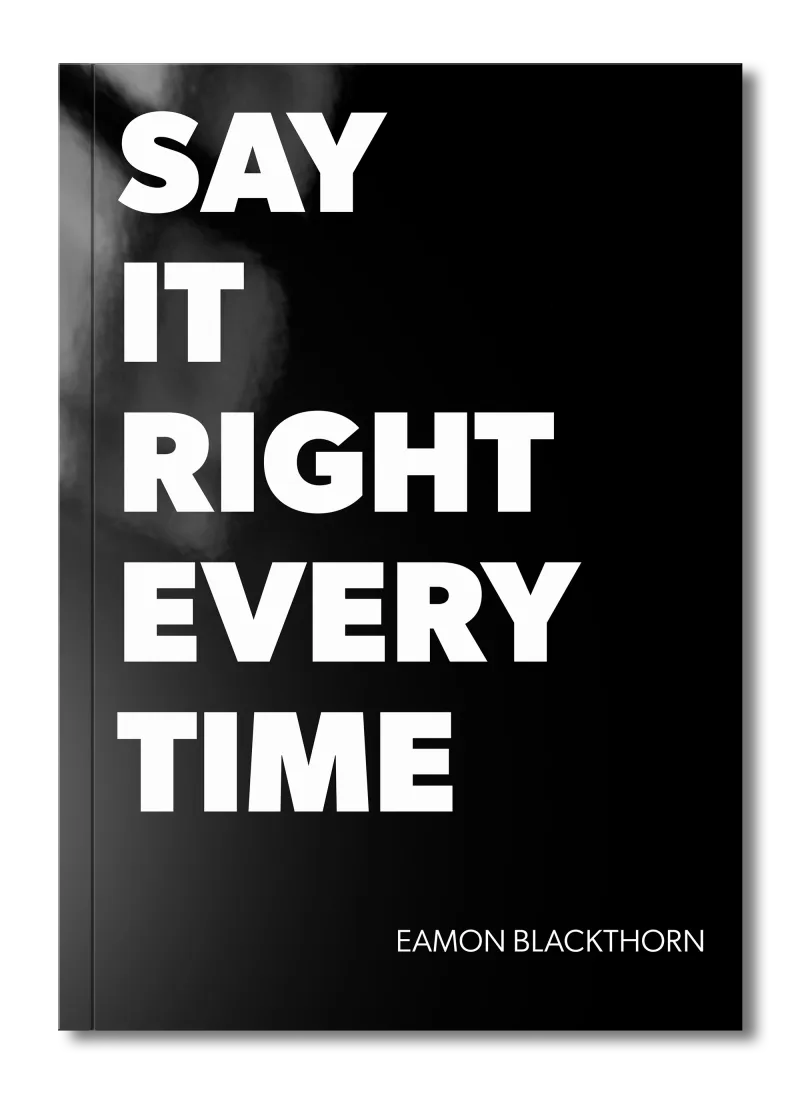
This is exactly the kind of scenario I break down in Say It Right Every Time. The chapter on high-stakes alignment conversations gives you a framework for having the defining talk before pressure arrives, including the specific questions that surface real values versus stated ones. Most people wait for a crisis to get honest. That chapter explains why the conversation before the crisis is the only one that actually matters.
Never Be Lost
for Words Again
Get word‑for‑word scripts for the conversations that shape your life, from job interviews and negotiations to difficult talks with family and partners, so you always know exactly what to say and how to say it.
Never Be Lost
for Words Again
Get word‑for‑word scripts for the conversations that shape your life, from job interviews and negotiations to difficult talks with family and partners, so you always know exactly what to say and how to say it.
Key Takeaway
Before you finalize any talent or spokesperson relationship, schedule one conversation that has nothing to do with deliverables. Ask this single question directly: "If something about your personal life or public statements became controversial, what would you want us to know first?" Their answer will tell you everything about whether you have alignment or just a contract. That conversation, documented and referenced later, is worth more than any morality clause.