
What Happened
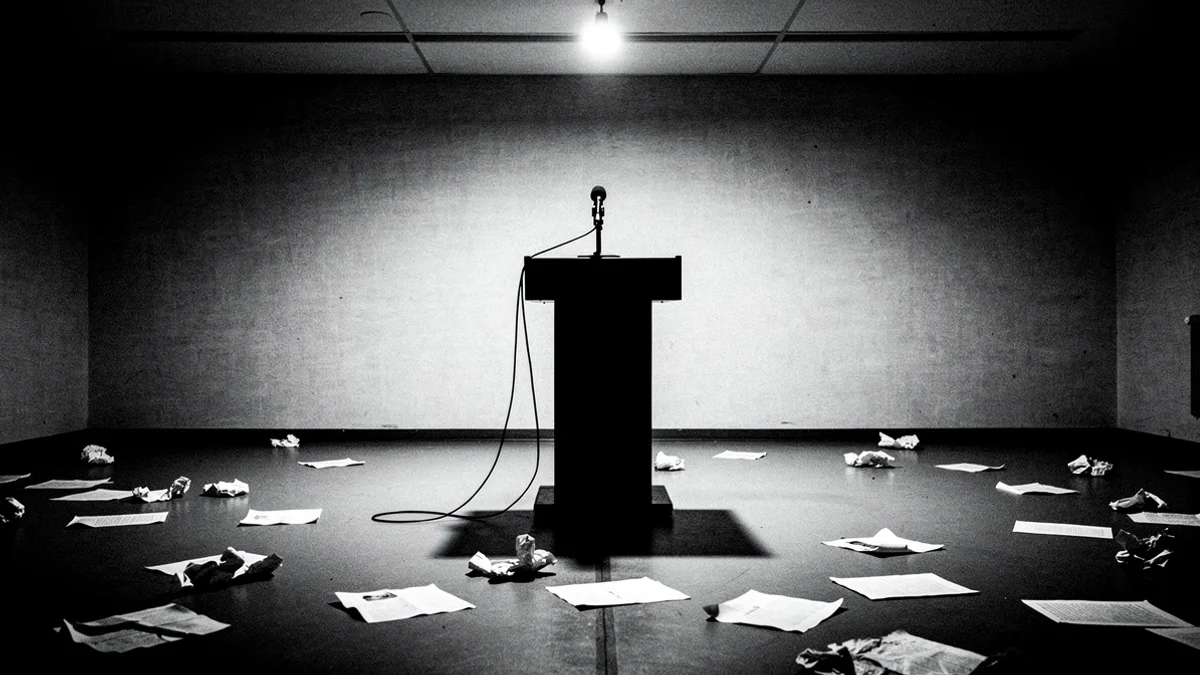
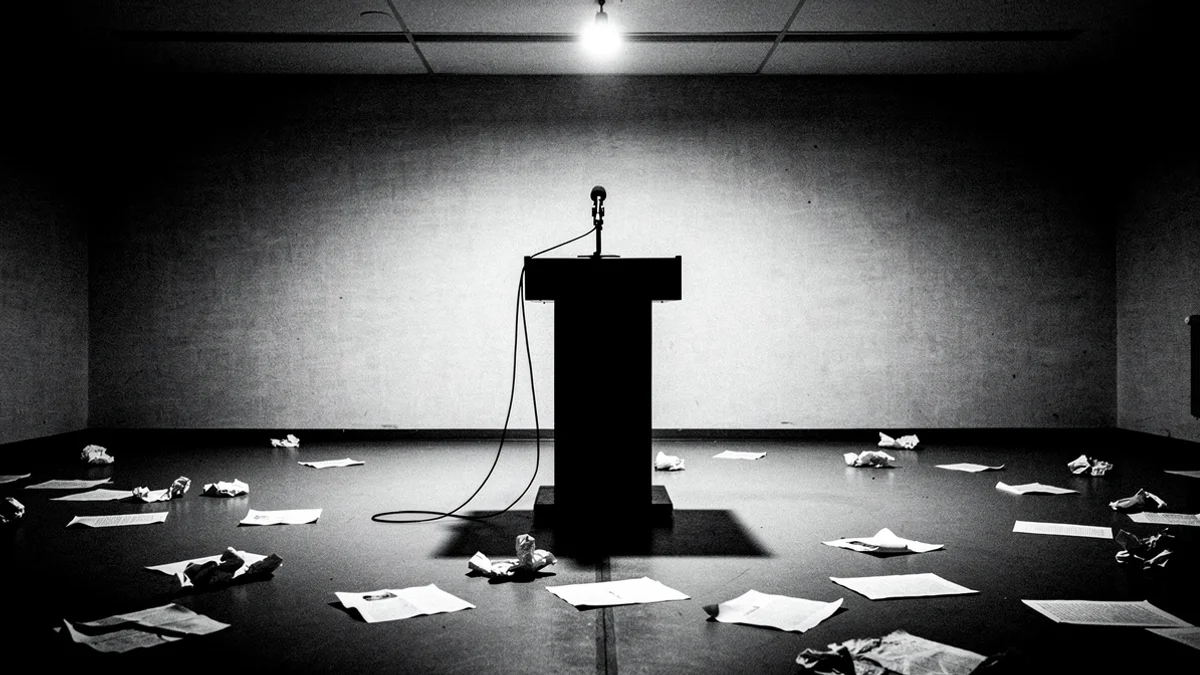
Some of the most damaging moments in brand history did not come from bad products or poor service. They came from bad communication. Companies across industries have repeatedly torched their reputations by responding to public criticism in ways that made everything worse: doubling down, deflecting, or going silent at exactly the wrong moment. These failures share a common thread that has nothing to do with PR budgets.
The Communication Angle
Picture this: a brand gets caught. Maybe it is a tone-deaf ad, a data breach, or an employee scandal caught on video. The story breaks fast. Comments flood in. And then the brand does the one thing guaranteed to pour fuel on the fire. It starts talking without knowing what it actually wants to say.
That is the root cause of almost every social media crisis I have studied. The failure is not the original mistake. The failure is the response. Specifically, it is the response built on panic instead of principle.
The most common error is the non-apology apology. You have seen it a hundred times: "We're sorry if anyone was offended." That word "if" does more damage than the original incident. It signals that the brand does not actually believe it did anything wrong. Audiences are not stupid. They hear the subtext immediately, and the backlash doubles. A real apology names the specific harm, owns it without conditions, and states what changes next. Three sentences. No "if." No "but."
The second failure is the disappearing act. Brands go quiet, hoping the storm passes. Sometimes it does. Usually it does not. Silence in a crisis gets interpreted as guilt or contempt. Neither is a good look. You do not have to have all the answers to speak. You do need to acknowledge that real people are upset and that you are taking it seriously. That alone buys you time and goodwill.
The third failure is overcorrecting into corporate-speak. Brands release a statement that sounds like it was written by a legal team under a deadline (because it was). The language is cold, vague, and loaded with phrases like "we take this matter seriously" and "we are committed to transparency." Nobody believes it because nobody talks like that. The moment you sound like a press release instead of a human being, you have lost the room. Strip the statement down. Use plain words. Speak like a person addressing other people.
The brands that survive these moments share one habit. They decide, before they type a single word, what they stand for and what they owe the people they hurt. That decision shapes every sentence that follows. Without it, you are just reacting. And reactive communication almost always makes things worse.
This is exactly the kind of scenario I break down in Say It Right Every Time. The chapter on crisis language gives you a framework for stripping a high-pressure statement down to its essential message so that what you say lands as honest instead of defensive. The difference between a brand that recovers and one that collapses often comes down to four or five word choices. That chapter shows you which ones matter most.

Never Be Lost
for Words Again
Get word‑for‑word scripts for the conversations that shape your life, from job interviews and negotiations to difficult talks with family and partners, so you always know exactly what to say and how to say it.
Never Be Lost
for Words Again
Get word‑for‑word scripts for the conversations that shape your life, from job interviews and negotiations to difficult talks with family and partners, so you always know exactly what to say and how to say it.
Key Takeaway
Before you or your team posts any response to a public criticism, write down one sentence that completes this prompt: "The people we hurt deserve to hear us say..." Write that sentence first. Build everything else around it. If you cannot complete that sentence honestly, you are not ready to respond yet.