
What Happened
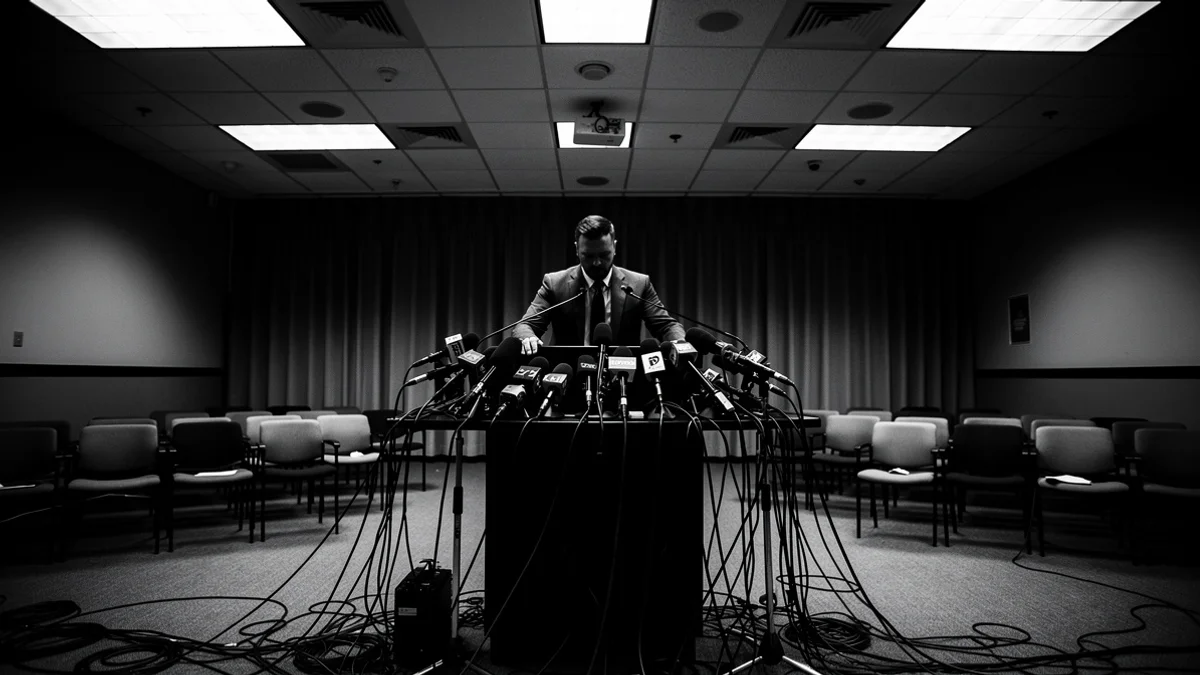
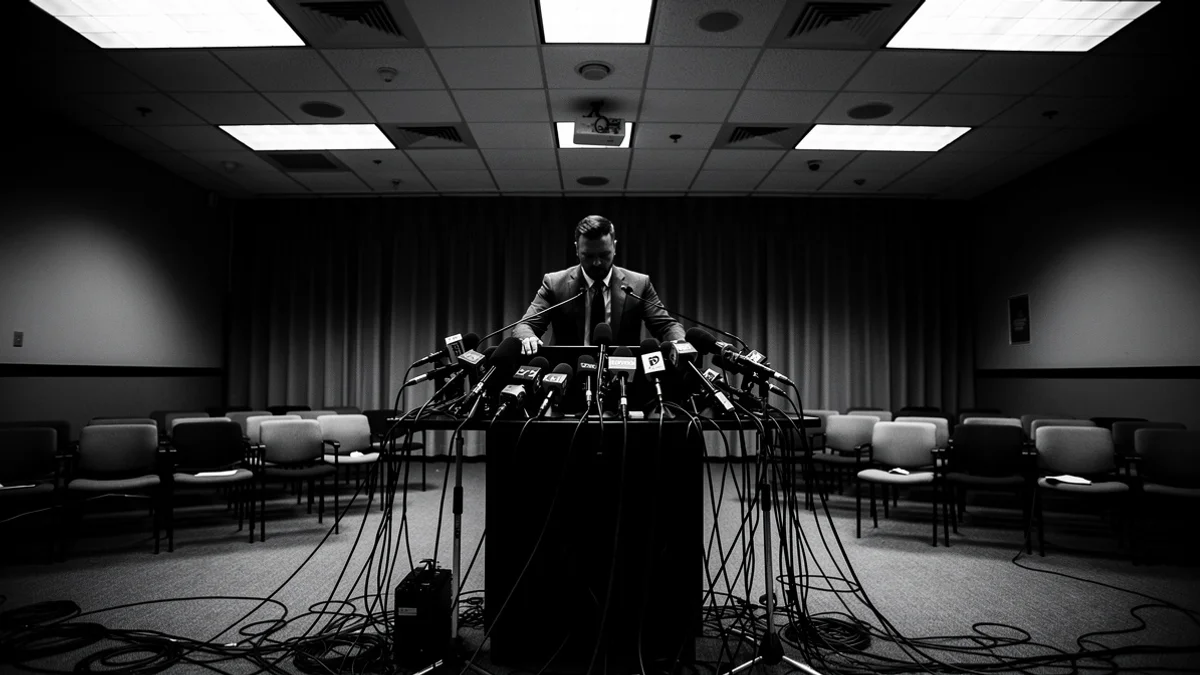
Shopify published a guide on brand crisis management, outlining how companies should respond when their reputation takes a hit. The piece addresses the mechanics of crisis communication: what to say, when to say it, and how to recover trust after a public failure. It positions 2026 as a year where brands need a sharper, more deliberate playbook than ever before.
The Communication Angle
Here is the lesson most companies learn too late: silence is a statement. When a brand goes quiet during a crisis, the public does not assume the company is gathering facts. They assume guilt, incompetence, or both. The first communication decision you make in a crisis is not what to say. It is whether you understand that doing nothing is still doing something.
The brands that survive crises share one habit. They speak before they have all the answers. Not to speculate. Not to deflect. But to acknowledge. "We know something went wrong. We are taking it seriously. Here is what we are doing right now." That sentence, or something close to it, buys you credibility and time. It signals to your audience that a human being is in charge, not a legal team running a damage-control algorithm.
The brands that fail do the opposite. They lawyer up publicly. They issue statements written in the passive voice, full of "mistakes were made" and "we regret any inconvenience caused." That language does not protect you. It enrages people further, because it signals that you care more about liability than accountability. Your audience is not a courtroom. Stop writing for a judge and start talking to people.
There is also a sequencing problem that kills otherwise solid responses. Companies address the wrong thing first. They lead with their internal process ("we have launched an investigation") before they address the human impact ("people were hurt, and we are sorry"). Get the order right. Empathy first, action second, process third. Every time. Without exception.
Finally, recovery is not a single press release. It is a series of consistent, honest updates delivered over weeks or months. The brands that rebuild trust fastest treat their audience like adults who deserve real information on a real timeline. Not spin. Not optimism theater. Real progress reports, even when the news is still bad.
This is exactly the kind of scenario I break down in Say It Right Every Time. The chapter on high-stakes messaging gives you a framework for sequencing your words under pressure, specifically how to open with acknowledgment before you ever reach explanation. Most people get this backward, and in a crisis, backward costs you everything.

Never Be Lost
for Words Again
Get word‑for‑word scripts for the conversations that shape your life, from job interviews and negotiations to difficult talks with family and partners, so you always know exactly what to say and how to say it.
Never Be Lost
for Words Again
Get word‑for‑word scripts for the conversations that shape your life, from job interviews and negotiations to difficult talks with family and partners, so you always know exactly what to say and how to say it.
Key Takeaway
Before your next crisis response goes out, read it aloud and find the first sentence that puts your company before your customer. Move that sentence to the end. Lead with what happened to the person affected, not what your team is doing about it. This single edit will change how your audience receives everything that follows.