
What Happened
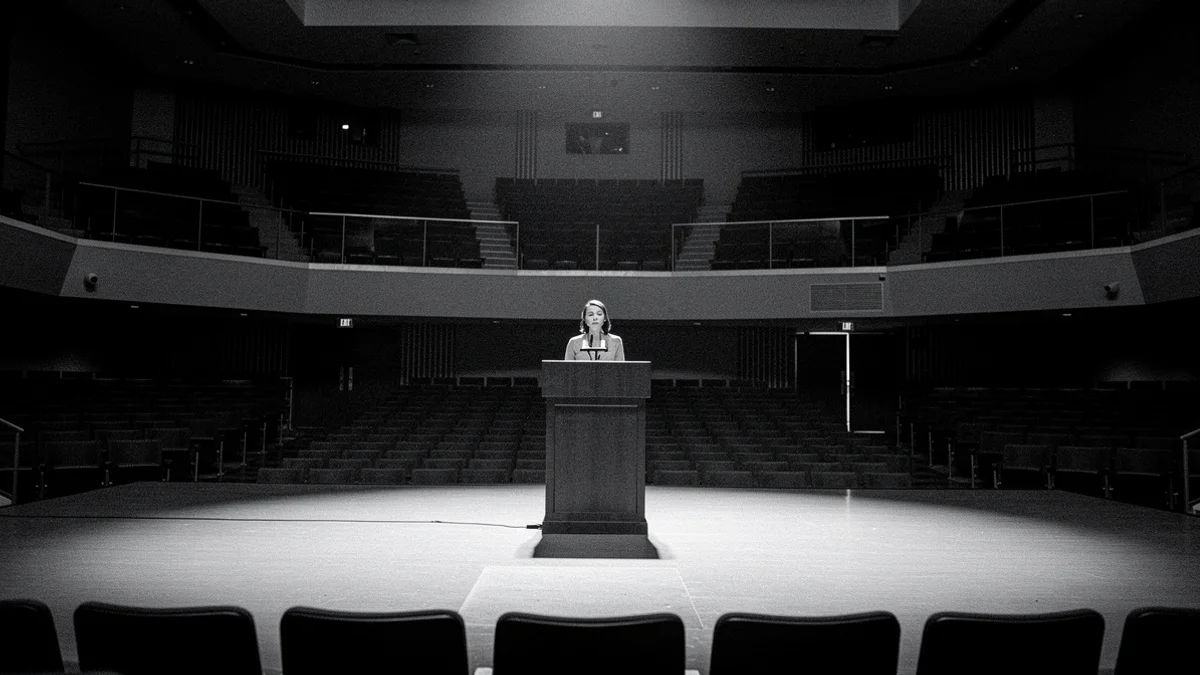
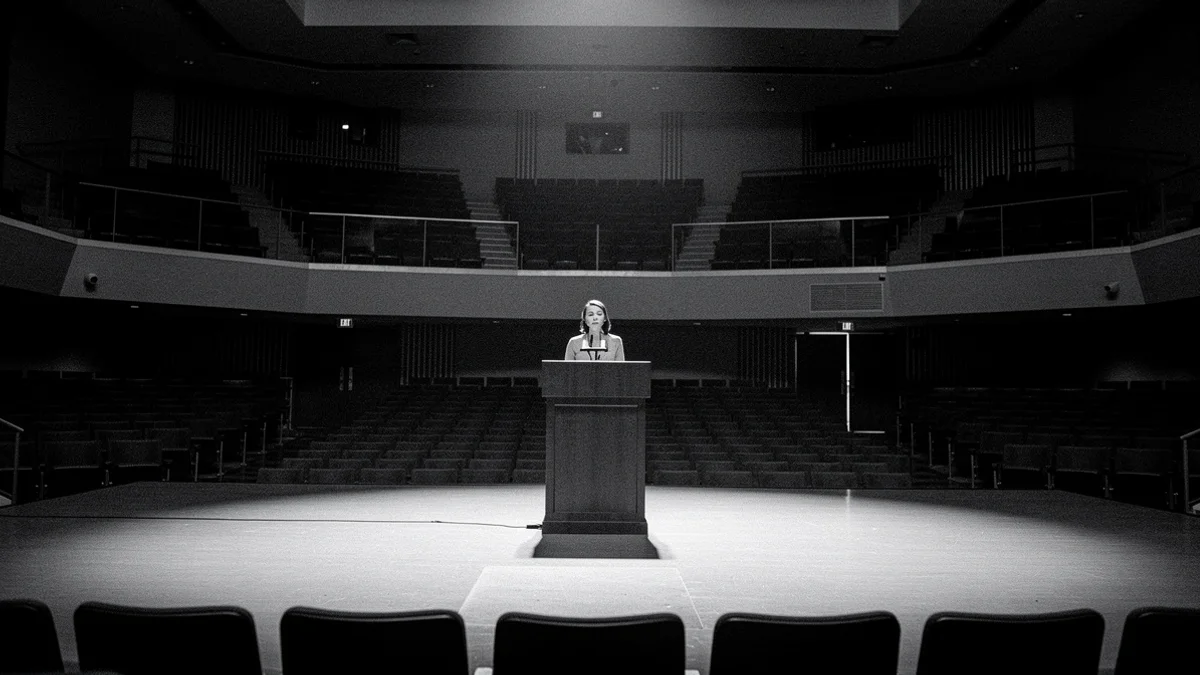
Ena Meyers walked into Lake Worth ISD as the state-appointed superintendent and held a press conference within hours of taking the job. The district has struggled academically, and Meyers signaled that curriculum and instruction changes are coming. She chose to speak publicly before she had even unpacked her office.
The Communication Angle
Picture this: a school district in trouble, a new leader installed by the state (not elected, not hired by locals), and a community that almost certainly feels like things are being done to them rather than with them. That is the room Ena Meyers walked into. And she chose to speak before the day was over.
That decision is the whole ballgame.
New leaders almost always make the same mistake: they go quiet. They say they need time to "assess the situation." They promise a plan in 90 days. What they are actually communicating, whether they know it or not, is uncertainty. Communities read silence as fear. And a state-appointed superintendent, who already carries the political weight of an outside authority figure, cannot afford to feed that fear for even 24 hours.
Meyers did the right thing by showing up fast. But speed without substance is just noise. The critical question is what she said once she had the microphone. If her press conference focused on curriculum and instruction changes, she made a smart choice. Those are concrete, classroom-level words. Not "systemic reform." Not "organizational alignment." Curriculum and instruction. Parents understand those words because they live inside them every day through homework and report cards. Specific language builds immediate credibility. Vague language destroys it.
Here is the layer most new leaders miss entirely: a press conference is not a monologue, it is a signal. Every word choice tells the audience who you are and how you see them. By using specific academic language on day one, Meyers signaled that she came prepared, not just appointed. That distinction matters enormously in a community that did not choose her.
The risk she ran is real, though. Announcing change before you have built any trust is a bet. It works only if the specifics hold up. If "curriculum and instruction changes" turns into bureaucratic shuffling with no visible result in six months, that first press conference becomes the thing people quote against her. Credibility borrowed on day one must be repaid with results.
This is exactly the kind of scenario I break down in Say It Right Every Time. The chapter on first impressions in high-stakes situations gives you a framework for what I call "earned authority," the specific word choices and structural moves that make people trust you before you have had time to prove yourself. Meyers had one shot to borrow credibility from a skeptical audience. The tools for that moment are learnable, and they are not complicated once you see how they work.

Never Be Lost
for Words Again
Get word‑for‑word scripts for the conversations that shape your life, from job interviews and negotiations to difficult talks with family and partners, so you always know exactly what to say and how to say it.
Never Be Lost
for Words Again
Get word‑for‑word scripts for the conversations that shape your life, from job interviews and negotiations to difficult talks with family and partners, so you always know exactly what to say and how to say it.
Key Takeaway
Before your first public statement in any new leadership role, write down one concrete, specific outcome you are committing to. Not a value. Not a vision. An outcome. Something a parent, a teacher, or a frontline employee can point to in six months and say "yes, that happened" or "no, it did not." Then build your statement around that commitment. One promise, kept, is worth more than ten press conferences.