
What Happened
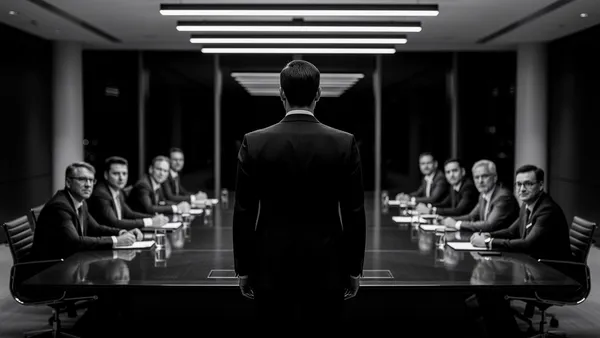
Corporate communications leaders are no longer just message managers. A growing trend across major industries shows these executives moving from tactical spokespeople into strategic decision-makers who sit at the leadership table and help set organizational direction. The title has changed less than the job description has. Communications chiefs are now expected to shape strategy, not just announce it.
The Communication Angle
Here is the question this shift forces every executive to answer: what separates a communicator who gets listened to from one who just gets heard?
The rise of communications leaders into strategic roles did not happen because companies suddenly decided to be nicer. It happened because organizations that kept their communications heads out of the strategy room kept getting blindsided. A message crafted after a decision is made is damage control. A message crafted while a decision is being shaped is leadership. The companies that figured this out moved their communications executives upstream, into the room where choices are made, not just announced.
The specific communication skill that earned these executives that seat is one most people overlook: the ability to translate internal logic into external reality. Executives inside a company often make decisions that make perfect sense to insiders and sound tone-deaf to everyone else. The communications leader who can sit in a strategy session and say, "Here is how this lands with our customers, our employees, and the press," is not doing PR. That person is doing risk management and brand architecture at the same time. That is a different and more valuable job than writing press releases.
But here is where most communications professionals fail to make this leap. They stay in reactive mode. They wait for the news to happen and then respond. The ones who become true strategic leaders develop what I call a forward narrative. They are not just thinking about what to say today. They are building the story the organization needs to be telling six months from now, and they are reverse-engineering the decisions needed to make that story credible. That takes courage, because it means telling leaders things they do not want to hear while there is still time to change course.
The practical difference between the old model and the new model is this: old-model communications leaders ask, "How do we talk about this?" New-model communications leaders ask, "Should we be doing this at all, and if we do, what does it need to look like so it holds up?" That second question has teeth. It changes outcomes, not just headlines.
This is exactly the kind of scenario I break down in Say It Right Every Time. The chapter on speaking with authority in high-stakes rooms gives you a framework for entering leadership conversations as a peer rather than a presenter. The difference is not confidence. It is preparation: knowing the one strategic question your room has not yet asked, and being the person who asks it cleanly and without apology.

Never Be Lost
for Words Again
Get word‑for‑word scripts for the conversations that shape your life, from job interviews and negotiations to difficult talks with family and partners, so you always know exactly what to say and how to say it.
Never Be Lost
for Words Again
Get word‑for‑word scripts for the conversations that shape your life, from job interviews and negotiations to difficult talks with family and partners, so you always know exactly what to say and how to say it.
Key Takeaway
Before your next leadership meeting, prepare one question that challenges a pending decision from the outside-in perspective. Not a criticism. A question framed exactly like this: "If our toughest critic read about this decision tomorrow, what would they say we got wrong?" Bring the answer before the decision is final, not after. That single habit is what separates a communications executive from a communications leader.