
In Short
Toxic traits in group settings rarely look dangerous at first; they look like personality quirks until the team is already fractured.
- One person consistently takes credit, deflects blame, or silences dissent.
- The rest of the group slowly mirrors the behavior or withdraws to survive.
- By the time the problem is named, trust is already broken.
Toxic traits in groups are recurring behavioral patterns from one or more individuals that systematically erode trust, safety, and cooperation across the whole team. Unlike isolated conflict, these traits repeat, escalate, and spread, reshaping how everyone in the group relates to each other.
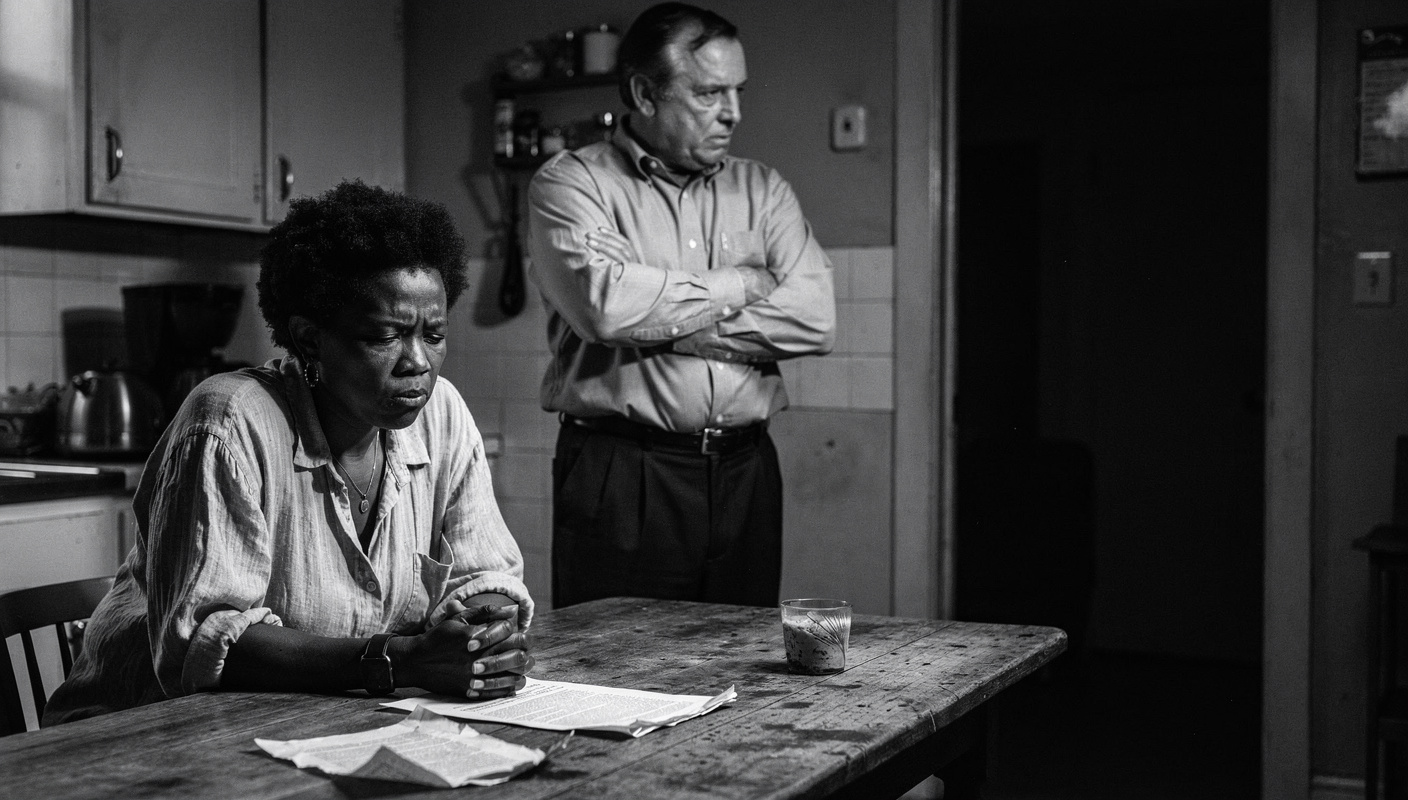
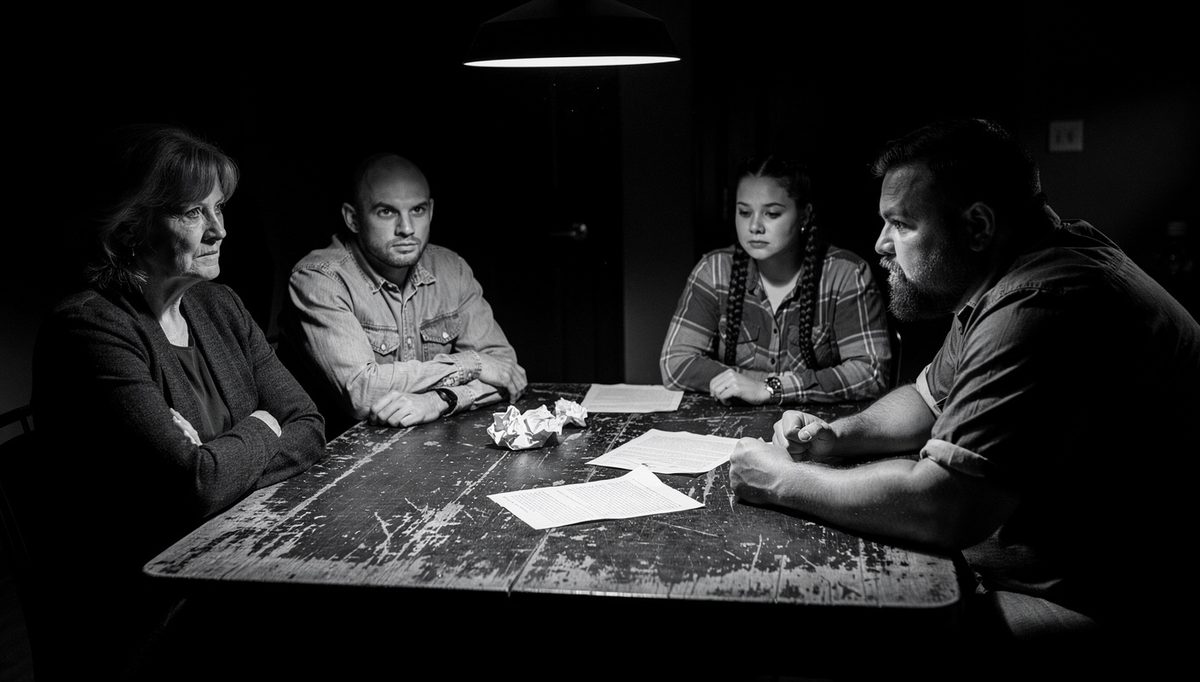
I watched a team of seven people dissolve over eighteen months. The work was good. The goal was clear. But one person in that group had a habit of reframing other people's ideas as his own in meetings, and a talent for finding someone else to blame when anything went wrong. No single incident was dramatic enough to justify action. Each one, on its own, looked like a misunderstanding. By the time the team leader saw the full picture, four of the seven had mentally checked out, and two had already handed in their notice. Toxic traits in groups work like that. They rarely arrive with a warning. They accumulate, quietly, until the group is already changed.
Why Toxic Behavior in Teams Is So Hard to Name Early
The first reason these patterns go unnoticed is that they start small. A cutting remark in a meeting gets excused as stress. A withheld acknowledgment gets explained away as forgetfulness. The group absorbs each small injury before the next one lands, and by the time the pattern is clear, the group has already normalised it.
The second reason is social. Nobody wants to be the person who names a colleague as toxic. That word carries weight. It feels like a verdict, and most people need to feel certain before they deliver one. So they wait. They tell themselves they might be overreacting. Meanwhile, the behavior continues and the damage compounds.
There is also the matter of how avoiding difficult conversations quietly destroys the very foundation of team cohesion. The longer the silence, the more entrenched the pattern becomes, and the harder it is to address without it feeling like a confrontation.
"The Conversation You're Avoiding Is the One You Need to Have."
"The Conversation You're Avoiding
Is the One You Need to Have."
Stop rehearsing conversations you'll never have. Say It Right Every Time gives you 115 word-for-word scripts and 16 proven frameworks to speak with confidence in every conversation that matters.
Six Toxic Traits That Dismantle Group Dynamics
Here is what I have seen over sixty years of watching people work together. These are not theoretical. Each one left a mark on a real team I was part of or observed closely.
1. Consistent credit-stealing
- What it looks like: One person regularly presents other people's ideas as their own in meetings, emails, or reports. The original contributor is mentioned vaguely or not at all. Why it happens: Sometimes it is deliberate. More often, the person has a fragile sense of professional worth and cannot tolerate the idea of others being visibly competent. Why it matters: Contributors stop contributing. Why risk an idea that will be taken? The team loses its most creative voices first. What to do: Begin documenting your contributions in writing before meetings. A brief email summarising your thinking, sent to the group in advance, creates a clear timestamp. It protects your work without requiring a confrontation. This much I know: the team that stops generating ideas has usually been quietly taught that ideas are not safe.
2. Blame-shifting after every failure
- What it looks like: When something goes wrong, this person consistently identifies someone else as the cause, often before the facts are clear. They are rarely, if ever, accountable. Why it happens: Blame-shifting is a fear response. The person learned early that accountability meant punishment, so they developed the reflex of deflecting before anyone could point their way. Why it matters: It poisons the group's ability to learn from failure. When a mistake cannot be owned, it cannot be fixed. What to do: In the moment, stay factual. "Let us focus on what happened and what we do next." Over time, note specific incidents. This pattern documented across multiple failures becomes hard to dismiss. A team that cannot talk honestly about what went wrong is condemned to repeat it.
3. Deliberate exclusion of certain voices
- What it looks like: One person consistently talks over, dismisses, or redirects away from specific team members. The targets are often newer, quieter, or from a different background than the dominant person. Why it happens: Sometimes it is competition. Sometimes it is bias the person has never examined. Sometimes it is simply the desire to control the room. Why it matters: This is the non-obvious one. The person being excluded often blames themselves. The rest of the group, wanting to avoid conflict, stays quiet. The team gradually becomes the echo chamber of one person's preferences. Signs your team lacks synergy often trace directly back to this dynamic, because the group stops hearing from its most diverse perspectives. What to do: As a peer, you can create space. "I want to hear what Marta was saying before we moved on." It is a small act, but small acts, done consistently, shift the air in a room. Silence is not neutral. In a group where one voice dominates, everyone else's silence is a vote for the status quo.
4. Undermining through subtle negativity
- What it looks like: Eye-rolls, sighs, vague skepticism delivered with a smile, or a habit of finishing others' sentences with a dampening twist. Nothing is overtly aggressive, but the cumulative effect is corrosive. Why it happens: This is often passive-aggressive behavior from someone who lacks the courage or the skill to raise genuine concerns directly. The negativity leaks out sideways. Why it matters: It drains the energy from any initiative. People stop proposing new approaches because they anticipate the invisible resistance. If this behavior is eroding your team's momentum, addressing passive-aggressive behavior before it silently destroys team cohesion is worth your time. What to do: Name the behavior without drama. "I noticed you seemed hesitant. Is there a concern you want to raise?" You are inviting directness. You are also signaling that the sideways approach has been seen. Indirect aggression thrives in the dark. Light is its worst enemy.
5. Monopolising decisions without authority
- What it looks like: One person makes calls that belong to the group, moves forward without consensus, and presents decisions as already made when the conversation has barely started. Why it happens: Sometimes it is genuine impatience. Sometimes it is a need for control that the person cannot moderate. Occasionally it is a deliberate strategy to shape outcomes before others can weigh in. Why it matters: The group stops feeling like a group. Other members feel like spectators, or at best, like people who ratify what has already been decided. Common mistakes that destroy workplace synergy often include exactly this pattern, where one person's unilateral moves quietly strip the group of its shared ownership. What to do: Slow the process down. "Before we move forward, I want to make sure everyone has had a chance to weigh in." You are not challenging the person; you are holding the group's process.
6. Weaponising loyalty and allegiance
- What it looks like: This person cultivates inner-circle relationships and uses them to reward allies and punish those who disagree. They speak in terms of who is "with us" or "not a team player." Why it happens: It is a power strategy, sometimes conscious, sometimes instinctive. The person learned that controlling relationships is safer than competing on merit. Why it matters: It fractures the group into factions. People choose safety over honesty. The team stops functioning as a unit and starts functioning as a political landscape. Why team synergy breaks down under pressure is often accelerated by this exact dynamic, because factions harden fastest when stakes are high. What to do: Refuse to play the game. Maintain consistent, respectful relationships with everyone regardless of whose side they are supposedly on. Your consistency becomes a stabilising force for others.
The System Behind the Symptoms
Here is the truth of it: individual toxic traits are symptoms of a deeper system failure. The real disease is the absence of clear behavioral standards that the group enforces together.
When there are no agreed norms, toxic behavior fills the vacuum. The person with the most aggressive habits ends up setting the group's culture by default, because nobody has defined an alternative clearly enough to defend. Rebuilding team synergy after this kind of damage is possible, but it requires naming the real cause, not just the individual behaviors.
The toxic person is rarely the only problem. The environment that allowed the behavior to take root and spread is equally responsible.
Is This Happening in Your Team? A Diagnostic Checklist
Answer yes or no to each of the following, based on what you have observed over the past four to six weeks:
- One person speaks significantly more than others in most meetings.
- Certain team members have become noticeably quieter over time.
- Credit for shared work is consistently attributed to the same individual.
- When something fails, the same person is almost never part of the accountability conversation.
- People seem to perform or communicate differently when one specific person is absent.
- New ideas or proposals are regularly met with visible skepticism from one source.
- You have heard the phrase "not a team player" used about someone who simply disagreed.
- You personally have held back a thought or idea to avoid a predictable reaction.
Scoring:
- 0 to 2 yes answers: The team has friction, but no clear pattern of toxic traits yet. Stay observant.
- 3 to 4 yes answers: A pattern is forming. Name it privately and begin documenting incidents.
- 5 or more yes answers: The damage is already underway. The first move matters now, not next quarter.
Your First Move When You Recognise Toxic Traits in Groups
Do not go to the person first. Not yet. Your first move is to get clear on what you have actually seen, as opposed to what you feel. Write it down: specific behaviors, specific dates, specific impact on the team. Vague concerns get dismissed. A pattern of documented incidents creates the foundation for a real conversation, whether that is with the person directly or with someone who has the authority to act.
If you are in a position to address the person, scripts for addressing team members who are undermining group cohesion can give you the exact language to use without escalating the conflict. The goal is not to punish. It is to name the pattern clearly enough that it can no longer be denied or rationalised.
Here is the strength of that approach: clarity removes the person's ability to reframe the conversation. You are not accusing them of being a bad person. You are naming a specific, observable pattern and its specific, observable effect on the group.
What You Can See Now That You Couldn't Before
Most people sense something is wrong long before they can name it. A team that used to feel energised now feels careful. Meetings that used to generate ideas now generate silence. The work still gets done, but something underneath has shifted.
If you have read this far, you can probably name what shifted. Toxic traits in groups do not require dramatic incidents to cause serious harm. They require only patience and an absence of clear accountability. Now that you can see the pattern, you have something more important than a complaint: you have a diagnosis. And a diagnosis, in my experience, is always the beginning of the repair.
Frequently Asked Questions (FAQ)
What are toxic traits in groups?
Toxic traits in groups are recurring behavioral patterns from one or more individuals that systematically erode trust, safety, and cooperation across the whole team. They include credit-stealing, blame-shifting, and deliberate exclusion. Left unchecked, they spread and become the norm.
How do toxic traits in groups affect team performance?
Toxic traits in groups suppress honest communication, reduce psychological safety, and cause capable people to disengage or leave. The team stops taking creative risks, output drops, and conflict becomes the background noise of every meeting. Performance erodes faster than most leaders expect.
How do you identify toxic traits in a group setting?
Watch for patterns, not incidents. A single outburst is a bad day. Repeated credit-stealing, consistent blame-shifting, and ongoing exclusion of certain voices are toxic traits. The clearest signal is that the group behaves differently when one specific person is absent.
Can one person really destroy team dynamics?
Yes. One person with unchecked toxic traits acts like a contaminant in water. Other members begin to mirror the behavior, withdraw to protect themselves, or simply leave. The research on social contagion in groups is clear, but you can see it without a study.
What is the first step in addressing toxic traits in a group?
Name what you are seeing in specific, observable terms before you act. Vague concerns get dismissed. Concrete patterns, such as a list of specific incidents with dates and impact, create the foundation for any serious conversation with the person or with leadership.
Why are toxic traits in group settings so hard to spot early?
Because they start small and slowly. A cutting remark becomes a habit. A withheld credit becomes a pattern. The group normalises each small injury before the next one arrives. By the time someone names the problem, the damage to trust is already deep.
What is the difference between a difficult person and someone with toxic traits?
A difficult person creates friction, often without realising it. Someone with toxic traits consistently damages others and the group in patterned, repeating ways, regardless of feedback. The distinction matters because the response is different: one needs coaching, the other needs a firm boundary.