
In Short
After reading this guide, you will be able to align your posture, eye contact, and gestures with your spoken apology so that the other person can see, as well as hear, that your remorse is real.
- Prepare your body and your words together before the conversation begins.
- Use open posture, steady eye contact, and deliberate gesture to match your spoken message.
- Slow down, stay present, and let your face carry the weight your words alone cannot.
Physical expression in an apology is the deliberate use of posture, eye contact, facial expression, and gesture to make spoken remorse visible and credible. When physical expression aligns with your words, people trust what they hear. When it does not, the apology fails regardless of how well-chosen the words are.
You have watched it happen. A colleague says the right words, "I am sorry, I should not have done that," and something feels completely wrong. Maybe they were looking at the floor. Maybe their arms were crossed. Maybe the words came out too fast, too clean, like they had been rehearsed for speed rather than for truth. The other person nodded, said "it is fine," and walked away still hurt. That is what happens when physical expression and spoken words are working against each other.
Most people who struggle with apologies are not dishonest. They feel genuine remorse. The problem is that under pressure, the body does its own thing. Years of defensive habits kick in. And the gap between what you feel and what you physically express destroys the moment entirely.
In this guide, you will get a clear, practical process for aligning physical expression with your spoken apology so that what you say and what you show are working as one. If you want to go deeper into the words themselves, How to Apologize to a Team Member in a Way That Actually Restores Synergy is the right place to start.
Why Physical Expression in Apologies Is Harder Than It Looks
Knowing that body language matters and actually controlling it in an emotionally charged moment are two entirely different things. Most people understand the theory. Almost nobody finds it easy in practice.
Here is what makes this genuinely difficult:
Stress collapses your posture automatically. When you feel shame, guilt, or anxiety, your body naturally folds inward. Shoulders come forward, chin drops, gaze falls. This looks like shame but reads to the other person as evasion.
Defensive habits fire before you choose them. Crossed arms, a stiff jaw, a blank face: these are not conscious choices. They are the body's way of protecting itself when it feels exposed. You have to build new habits deliberately or the old ones run the show.
You are managing two things at once. You are trying to find the right words while simultaneously managing your tone, your face, your posture, and your proximity to the other person. That is a significant cognitive load, especially when emotion is high.
The other person is watching everything. People in conflict become acutely sensitive to nonverbal signals. A micro-expression, a too-quick glance away, a slight shift backward: they will register all of it, often without consciously knowing they have.
Congruence is subtle. It is not enough to hold eye contact and call it done. Every element of your physical expression needs to carry the same message. One element out of step disrupts the whole signal.
The goal is not to eliminate these difficulties. It is to build a system that works in spite of them.
"The Conversation You're Avoiding Is the One You Need to Have."
"The Conversation You're Avoiding
Is the One You Need to Have."
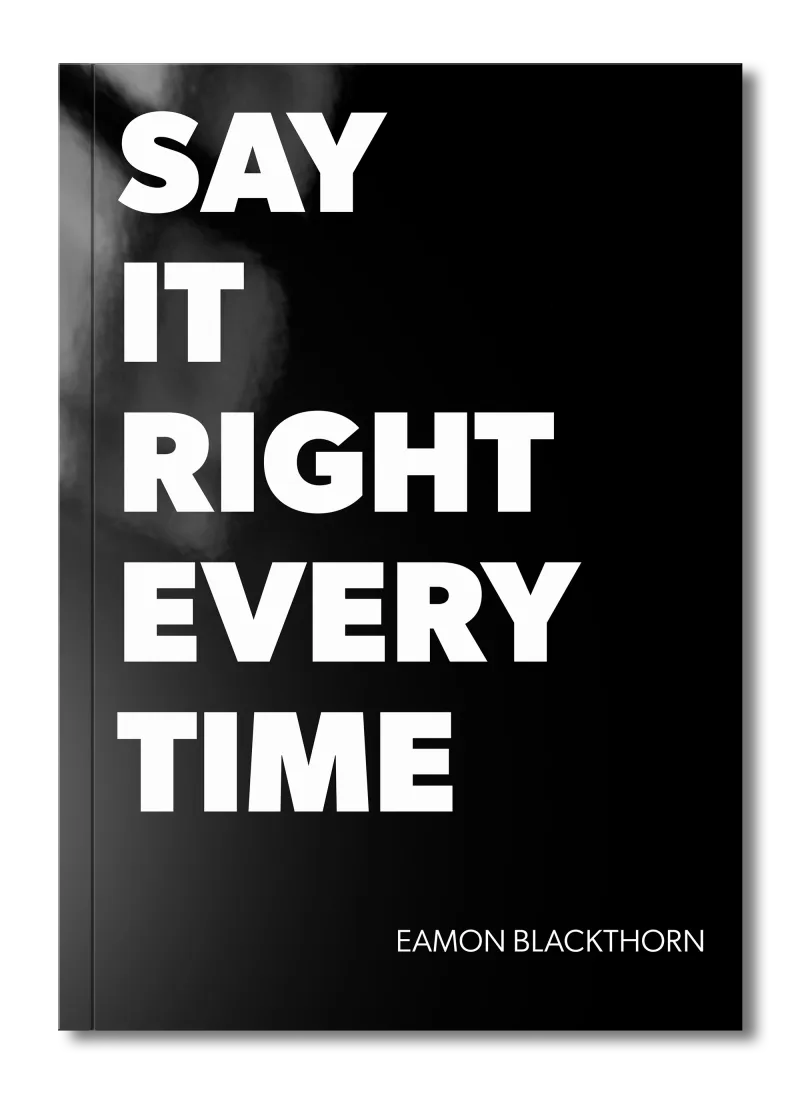
Stop rehearsing conversations you'll never have. Say It Right Every Time gives you 115 word-for-word scripts and 16 proven frameworks to speak with confidence in every conversation that matters.
The Foundation: What You Need Before You Start
Before you begin, there are three things that need to be clear.
Genuine intent, not performance. No physical technique in the world can substitute for actual remorse. If you are not truly sorry, trained observers, and most people in distress, will detect the performance. Start by getting honest with yourself about what went wrong and why you want to repair it. Your physical expression will follow your inner state far more easily if the inner state is real.
A chosen setting. Where you apologize shapes what your body can do. A noisy corridor forces you to lean in awkwardly and rush. A glass-walled office puts the other person on display. Choose a private, quiet space where you both have room to breathe. Your physical expression needs context that supports it, not undermines it. If you are dealing with a remote situation, a private video call is far better than an email; for a guide on written apologies, see How to Write a Professional Apology Email at Work.
Awareness of your baseline habits. Before the conversation, spend two minutes noticing your body. Where are your arms? Is your jaw tight? Are you breathing shallowly? You cannot correct something you are not aware of. This brief check is not vanity. It is preparation.
Get these right first. The steps that follow will not work without them.
Step 1: Set Your Posture Before You Speak
Your posture communicates before you say a single word, and the other person is already reading it the moment you walk in.
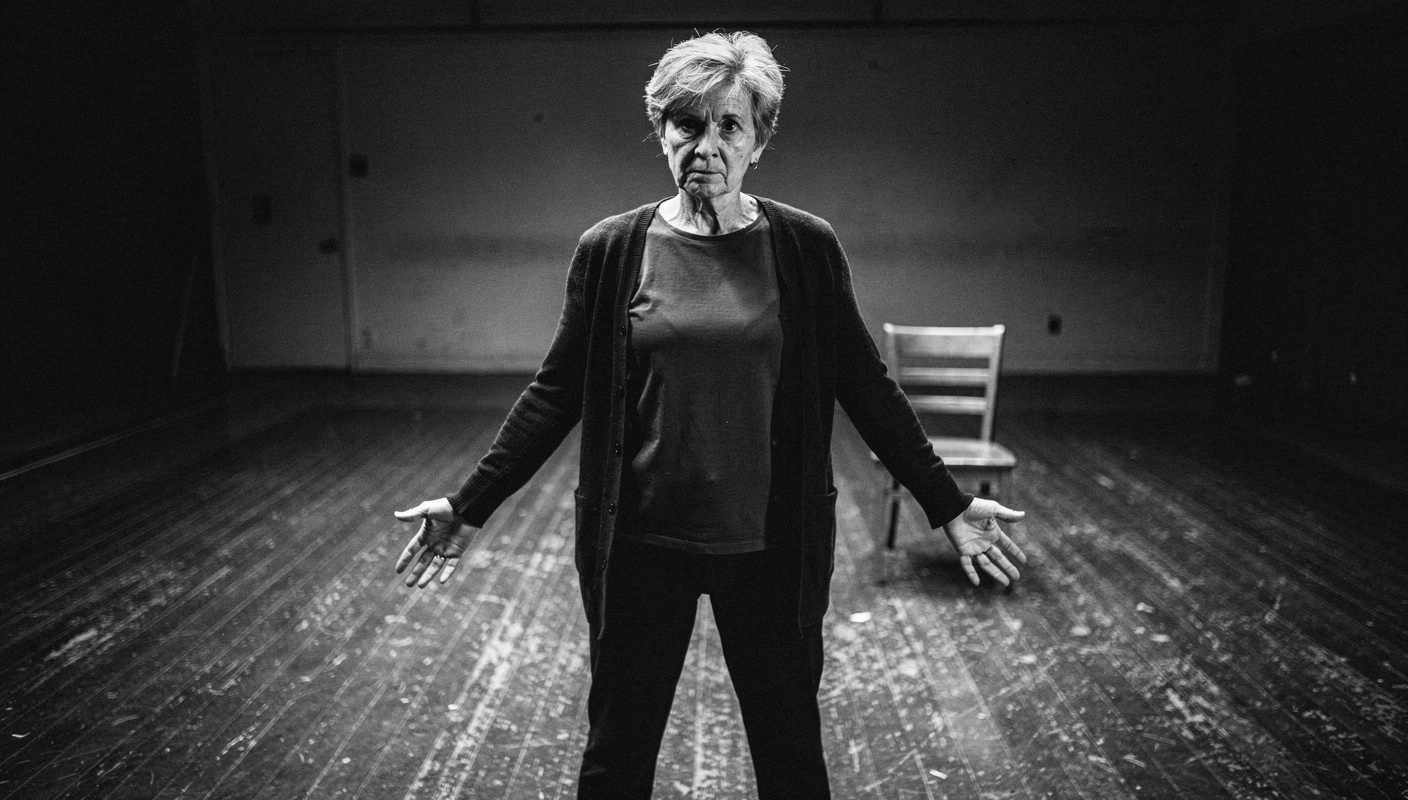
Open posture signals safety and accountability. Closed posture signals defensiveness, regardless of your intention. You need to consciously choose your physical stance before the conversation begins, not after you have already communicated the wrong thing.
- Stand or sit with your feet roughly shoulder-width apart, weight distributed evenly and balanced.
- Drop your shoulders back and down so your chest is open, not forward-hunched or pulled in.
- Uncross your arms completely and let them rest at your sides or loosely in your lap.
- Lean slightly forward from the hips, just enough to close distance and signal engagement without crowding the other person.
- If seated, keep both feet on the floor rather than crossed at the ankle, which can signal a desire to retreat.
Example: Before entering the room, Marcus paused outside the door. He took one slow breath, rolled his shoulders back, and consciously uncrossed his arms, which he had not even noticed were folded. He walked in with his hands loose at his sides and sat down facing his colleague at the same level. Before he had spoken a word, the quality of his presence was already different from every previous tense conversation they had shared.
Posture sets the stage. Once it is right, your words have ground to stand on.
Step 2: Regulate Your Pace and Tone Before the Words Land
The speed at which you speak during an apology is a physical signal, just as much as posture or gesture.
When people are anxious or defensive, they rush. The words come out in a torrent: practiced, polished, and utterly unconvincing. A fast apology sounds like someone trying to get through a difficult task rather than someone genuinely taking responsibility. You need to slow everything down before you begin.
- Take one visible breath before you start speaking, not a dramatic sigh, but a real pause that signals you are present and unhurried.
- Speak at roughly two-thirds of your normal conversational pace, slower than feels comfortable.
- Lower your vocal pitch slightly and reduce your volume; a quieter voice reads as more personal and sincere than a projected one.
- Pause after your key statement of responsibility, at least two full seconds, and let it sit in the air.
- Do not fill silence with qualifications or additional words; let the other person hold space in the conversation.
Slowing your pace is not weakness. It is one of the strongest physical signals you can send.
Step 3: Use Eye Contact With Intention, Not Intensity
Eye contact is the single most powerful physical signal in an apology, and the most commonly mishandled.
Too little eye contact reads as guilt, evasion, or disinterest. Too much reads as confrontational or performative. The goal is steady, soft contact that says: I am here, I see you, and I am not running from this. I cover this specific balance in Say It Right Every Time, where the distinction between engaged presence and uncomfortable staring is broken down with clear practical markers.
- Make initial eye contact as you begin speaking and hold it for the duration of your opening statement of responsibility.
- Every four to six seconds, allow your gaze to drop briefly to the middle distance before returning. This is natural and prevents the stare from feeling like a power play.
- When the other person is speaking, give them your full visual attention. Do not look away while they respond to you.
- If emotion rises and you feel tears or tightness, it is acceptable to briefly drop your gaze. Return to eye contact as soon as you can.
- Never look at your phone, the clock, or the door. Any of these signals that you want to leave.
Example: Sarah had rehearsed her apology carefully. When she sat down with her team lead, she looked directly at him as she said, "I let you down last week, and I am genuinely sorry for that." She held his gaze through the silence that followed. When he began to respond, she kept her eyes on him without interrupting. He told her later that it was the first time he had felt she was actually talking to him, rather than at him.
After step three, the other person is no longer just hearing your apology. They are feeling it.
Step 4: Position Your Hands to Signal Openness
Your hands are constantly transmitting information. Hidden hands suggest concealment. Clenched hands suggest tension or aggression. Open hands signal honesty, calm, and vulnerability.
In an apology, your hands need to be visible and open. This is not a dramatic gesture; it is a quiet one. Small, deliberate, and consistent.
- Keep both hands visible on the table or in your lap, not hidden in pockets or tucked under your arms.
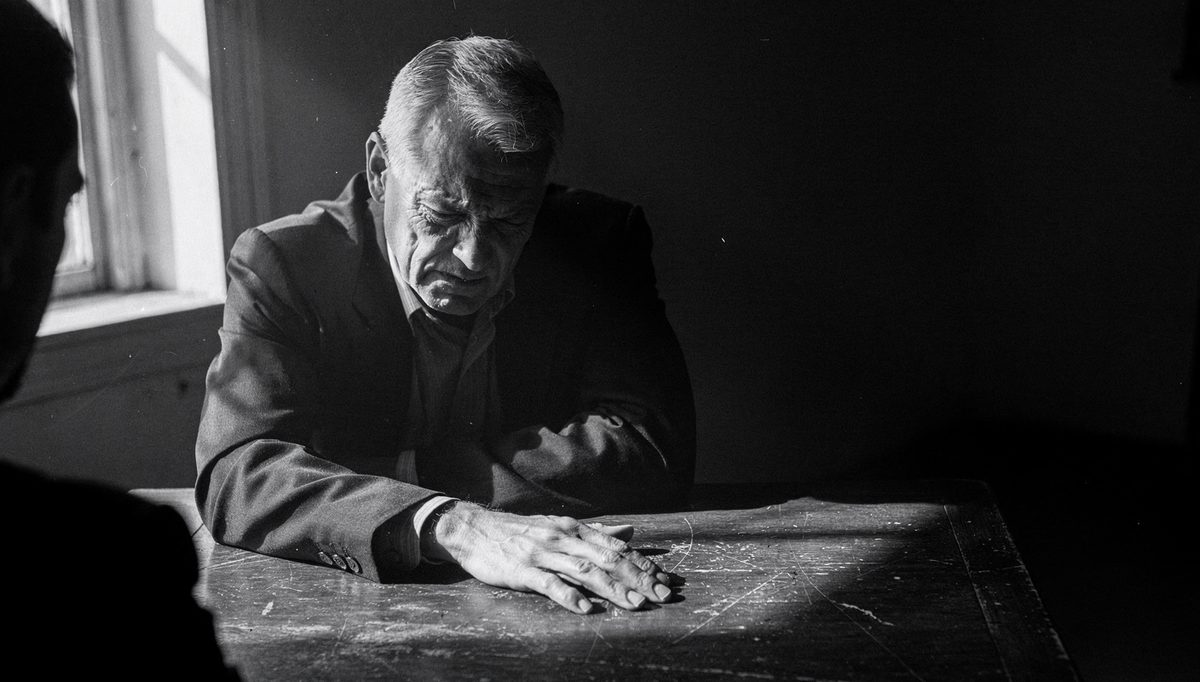
- Rest one or both hands palm-upward on the table as a natural accompaniment to accepting responsibility.
- Use a single, slow outward gesture with one open hand when you name what you did wrong; this physically extends the acknowledgement.
- Avoid pointing, which registers as accusation even when unintended.
- If you feel the urge to fidget or grip something, press your palms flat to the surface of the table instead. It grounds you.
Your hands are the most expressive tools you have after your face. Use them with the same care you give your words.
Step 5: Let Your Face Carry the Weight
Your facial expression is where the other person looks first, and where they will make their final judgement about whether your remorse is real.
A neutral face during an apology reads as cold or rehearsed. An over-expressive face reads as performance. What you need is an expression that reflects the actual gravity of what you are acknowledging: a quiet seriousness that matches the weight of the moment.
- Before you speak, let your face settle into a still, serious expression. Not a frown, not a smile. Calm and present.
- Allow the muscles around your eyes to soften; a hard, wide-eyed look reads as anxiety, not sincerity.
- Do not smile when you say the words "I am sorry." Even a small, reflex smile, which many people produce under social stress, will undermine everything else you have done.
- If genuine emotion arises and your face reflects it, allow it. Controlled emotion in an apology is a powerful signal of sincerity.
- After you have spoken, keep your face attentive and still while the other person responds. Do not shift into a relieved or expectant expression. Stay with them in the weight of the moment.
Example: Joel had a habit of giving a small, tight smile when he was uncomfortable, including during difficult conversations. He practised in front of a mirror for five minutes before his apology, watching his own reflex smile and consciously releasing it. In the actual conversation, when he felt the smile begin to form, he took a breath and let his face settle into stillness instead. His colleague said, "I can tell you actually mean this." That had never happened before.
When your face reflects the true weight of what you are saying, the other person stops evaluating your words. They just feel the remorse.
Step 6: Manage Proximity and Distance With Care
How close you stand or sit to someone during an apology sends its own clear message, one that most people never consciously consider.
Too much distance reads as detachment or formality. Closing the gap too aggressively reads as pressure. You need to be close enough for the conversation to feel genuinely personal, but not so close that the other person feels crowded or unable to process what you are saying.
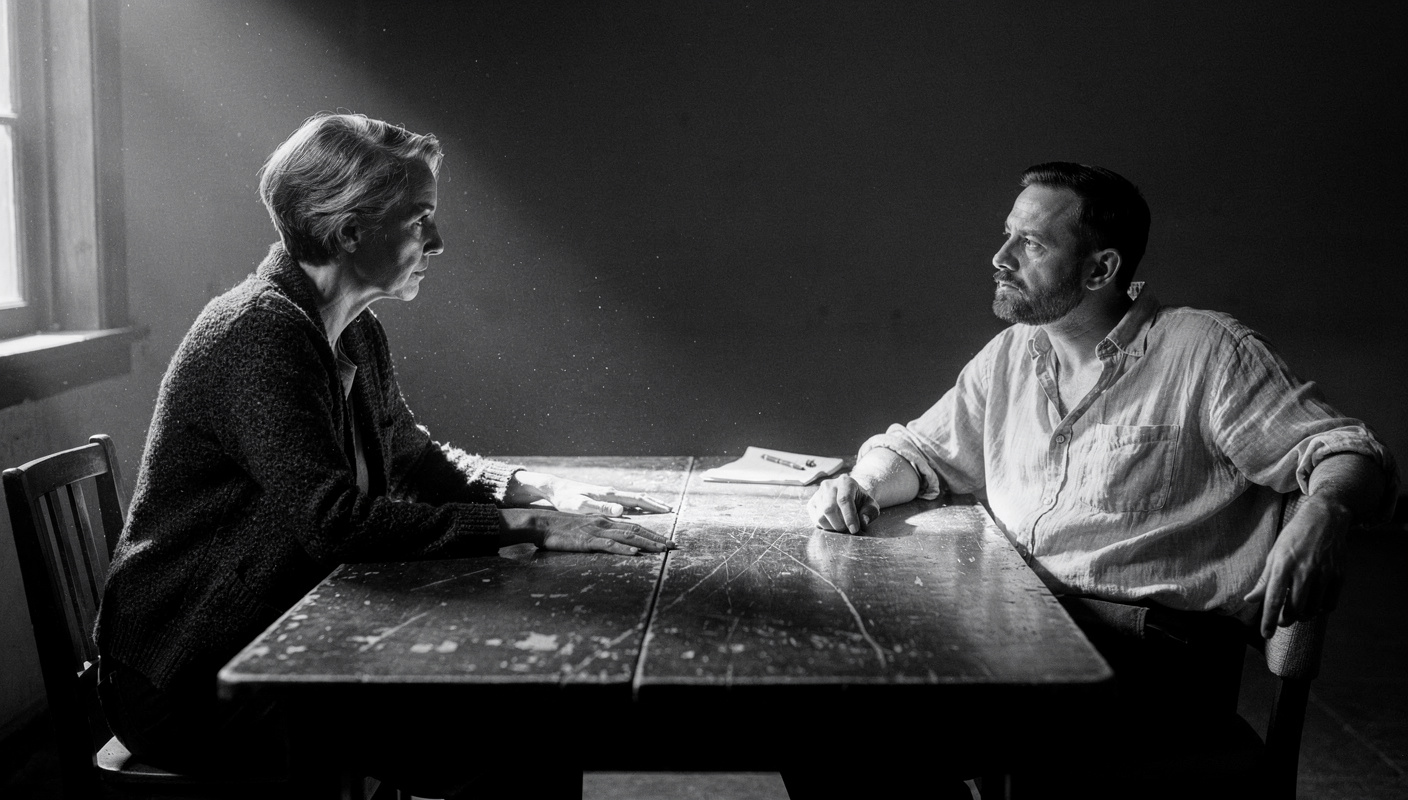
- In a seated setting, aim for a distance of roughly one to one and a half metres, close enough for clear eye contact, far enough for the other person to have physical ease.
- Do not position a desk or table between you if you can avoid it; physical barriers become emotional ones.
- If the other person leans back or creates distance, respect it completely. Do not follow with a forward lean. Give them the space they are asking for.
- At the end of the apology, if the conversation has gone well, a brief forward lean when you say your final words deepens the sense of connection.
- Ask before touching. In professional settings, even a well-intended hand on the arm can feel invasive when someone is still hurt. When in doubt, keep your hands to yourself.
Proximity is the one physical signal you adjust in real time based on the other person's response, not in advance.
Adapting This Process for Remote and Video Settings
Remote apologies present a particular challenge because the camera removes most of your physical expression from the other person's view.
In person, your full body communicates. On a video call, the other person sees your face, your shoulders, and whatever portion of your hands enters the frame. Everything else is gone. This means you must compensate by making what is visible more deliberate.
Frame yourself at eye level. A camera angled from below creates a dominant, almost confrontational appearance. Position your camera so your eyes are roughly level with the top third of the screen. This creates a more equal, attentive visual relationship.
Light your face clearly. Poor lighting hides the facial expressions that carry the most information during an apology. Position a light source in front of you, not behind. Your face needs to be fully visible for the other person to read your sincerity.
Make eye contact with the lens. This is the single hardest adjustment in remote communication. When you look at the other person's face on the screen, you appear to be looking down or to the side. Look directly at the camera lens when you say your most important words. It feels unnatural. It reads as genuine.
Use visible hand gestures. Bring your hands into frame when you speak. Open, deliberate gestures replace the full-body signals a camera removes. Keep them slow and clear, not rushed or exaggerated.
Slow down even more than usual. Video calls compress and delay, and small pauses that read as thoughtful in person can disappear entirely in the digital stream. Give your words even more space than you would face to face.
The core process of open posture, steady expression, and deliberate gesture holds completely. Only the execution changes.
Common Mistakes to Avoid With Physical Expression in Apologies
Let me tell you about the mistakes I see most often. I have made most of them myself.
The mistake: Apologizing while standing at full height above a seated person.
Why it happens: You walked in, began talking before you sat down, and the moment started without you noticing the power imbalance.
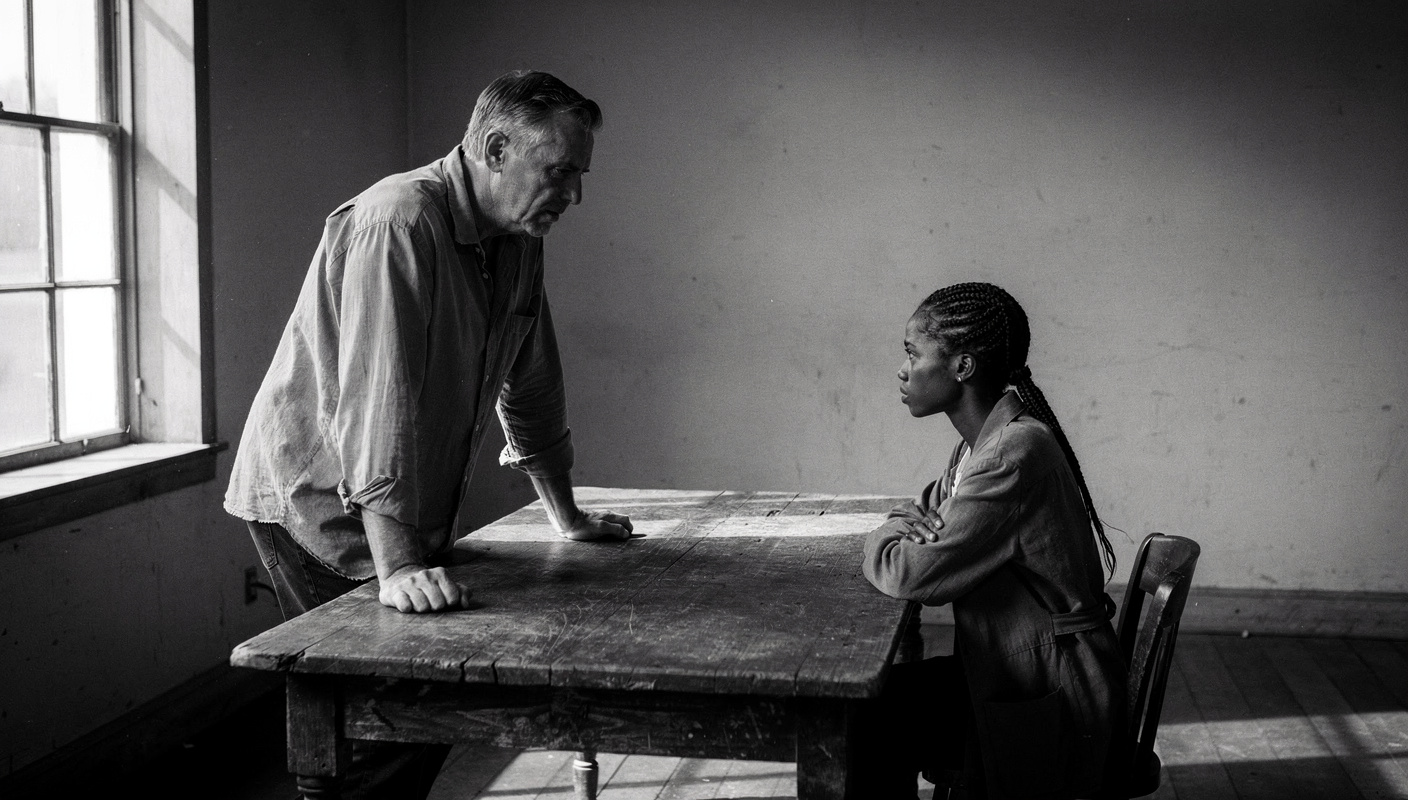
What to do instead: Always sit before you begin. Match the physical level of the other person. Height above someone in a moment of vulnerability reads as domination, not remorse.
The mistake: Rushing through the apology to reduce your own discomfort.
Why it happens: The anxiety of the moment triggers a physiological urge to escape. Talking faster feels like it shortens the pain.
What to do instead: Treat your discomfort as useful information, not as something to escape. Slow down deliberately. Your willingness to stay in the discomfort is itself a physical signal of sincerity.
The mistake: Breaking eye contact precisely when you say the most important words.
Why it happens: The moment of maximum vulnerability triggers an instinct to look away. It is a stress response, not a choice.
What to do instead: Practise maintaining eye contact specifically during the phrase "I am sorry for..." before the real conversation. Build the habit so it is available under pressure.
The mistake: Crossing your arms immediately after the spoken apology while waiting for a response.
Why it happens: The apology is done and the body reverts to its resting defensive posture without any conscious signal.
What to do instead: Keep your arms open and your hands visible through the entire conversation, including the silence after you speak. The apology is not over until the other person has been fully heard.
The mistake: Smiling reflexively when the other person begins to soften.
Why it happens: The emotional release of tension produces a genuine smile reflex. It feels like relief. It reads like relief, and relief signals that your primary concern was your own discomfort, not theirs.
What to do instead: Stay in the gravity of the moment until the other person chooses to shift the emotional tone. Follow their lead, not your own relief.
These are not character flaws. They are gaps in the system. Fix the system.
Your Practical Checklist for Physical Expression in Apologies
Use this checklist before you begin and after each conversation.
- I have chosen a private, quiet setting with no physical barriers between us.
- I have checked my own posture before entering: shoulders back, arms uncrossed, weight balanced.
- I have decided to sit at the same level as the other person before I begin speaking.
- I have practised the pace of my opening words so I am not rushing through them.
- I know to make steady, soft eye contact during my key statement of responsibility.
- My hands will be visible and open throughout the conversation.
- I have consciously released my reflex smile so my face can carry the appropriate gravity.
- I have prepared to pause for at least two seconds after my apology before speaking again.
- I will keep my full attention on the other person while they respond, without interrupting or filling silence.
- I have thought about proximity and will not close distance if the other person creates space.
- I will stay in open, attentive body language until the other person, not I, signals a shift in tone.
If you cannot check most of these, that is your starting point.
Summary and Next Steps
You now have a practical process for making your remorse visible, not just audible. A well-spoken apology without aligned physical expression is only half of what it needs to be.
- Prepare your posture, pace, and mental state before you walk in. Preparation is not performance; it is respect.
- Open posture signals safety. Closed posture signals defensiveness. The other person reads this before you say a word.
- Eye contact is the most powerful physical signal in an apology. Use it steadily, softly, and with genuine presence.
- Keep your hands visible and open. Let your face carry the weight of the moment without forcing expression.
- Manage proximity with care, and always follow the other person's lead when they need space.
- In remote settings, compensate with camera position, lighting, and deliberate visible gesture.
- Stay in the gravity of the moment until the other person, not your relief, shifts the tone.
For the skills that surround and support this process, How to Give Constructive Feedback Without Causing Tension and How to Use the Empathy Bridge Before Delivering Critical Feedback are worth your time. If you want to extend these physical expression apology skills into broader difficult conversations, How to Deliver Negative Feedback Positively will give you the next layer. And if you want structured word-for-word support alongside the physical techniques, Word-for-Word Scripts for Giving Constructive Feedback at Work has exactly that. Finally, for the team-level dimension of repair, How to Give Feedback That Strengthens Team Synergy Instead of Breaking It shows how these skills scale.
A physical expression apology, done well, is one of the most courageous acts in any professional relationship. Your body tells the truth before your mouth opens. Make sure both are telling the same story.
Frequently Asked Questions (FAQ)
What is physical expression in an apology?
Physical expression in an apology refers to the nonverbal signals, including posture, eye contact, facial expression, and gesture, that accompany your spoken words. When these signals align with what you are saying, the person receiving the apology is far more likely to believe it is genuine.
Why does physical expression matter more than the words in an apology?
People read body language before they process words. If your posture is closed, your eyes are averted, or your face is blank while you apologize, the other person will sense the disconnect. Your physical expression either confirms or contradicts every word you say.
How do you use physical expression to show genuine remorse?
Stand or sit with an open, relaxed posture. Make steady, soft eye contact rather than staring or avoiding. Keep your hands visible and still, or use a slow, open gesture. Let your facial expression match the weight of what you are saying. These signals together create the felt sense of sincerity.
What physical expression mistakes make an apology seem fake?
Crossing your arms, looking away at the wrong moment, speaking too quickly, smiling at an inappropriate point, or standing at full height with no forward lean all signal defensiveness or indifference. Any of these physical cues will undermine even the most carefully chosen words.
Can physical expression apology techniques be used in remote or video settings?
Yes, but you must compensate for what the camera removes. Sit tall but leaned slightly forward. Keep your face fully in frame and well-lit. Maintain eye contact by looking at the camera lens, not the screen image. Use deliberate, visible hand gestures to replace the full-body signals that a camera cuts off.