

What Happened
SHRM recently published research on building a connected workforce, focusing on what actually drives employee engagement in modern organizations. The findings point to a persistent gap between what leaders think employees need and what employees actually report experiencing. Most organizations are investing in the wrong places, and the disconnection is measurable.
The Communication Angle
Picture this: a manager sends out the quarterly all-hands meeting recap. Bullet points, metrics, a motivational close. He hits send, leans back, and thinks, "Good. People are informed." Two weeks later, the engagement survey comes back flat. He's stunned. He communicated. He checked the box.
That's the trap. Informing people is not the same as connecting with them. These are two completely different acts, and most organizations have spent years perfecting the first one while neglecting the second entirely.
SHRM's research lands on something I've watched play out in boardrooms and break rooms for two decades: employees don't disengage because they lack information. They disengage because they feel invisible. The distinction matters enormously. When leaders frame engagement as a communication volume problem, they respond by sending more emails, scheduling more meetings, and producing more content. None of that fixes invisibility. In fact, it often makes it worse, because the noise drowns out the moments that actually matter.
What builds connection is specific, directed acknowledgment. Not "great work, team." That's wallpaper. People stop seeing it. Connection happens when a leader says, "I noticed you stayed late to rework that client proposal on Thursday. That decision saved us the account." Name the person. Name the action. Name the result. That three-part structure is what separates communication that lands from communication that evaporates.
The second piece SHRM points to, and this one is underestimated, is that employees need to understand how their work connects to something larger. Not the company mission statement posted in the lobby. The actual, living, breathing "why this project matters right now." Leaders who explain context before assigning work see dramatically different levels of buy-in than those who simply delegate tasks. It costs almost nothing to add two sentences of context. The return on those two sentences is enormous.
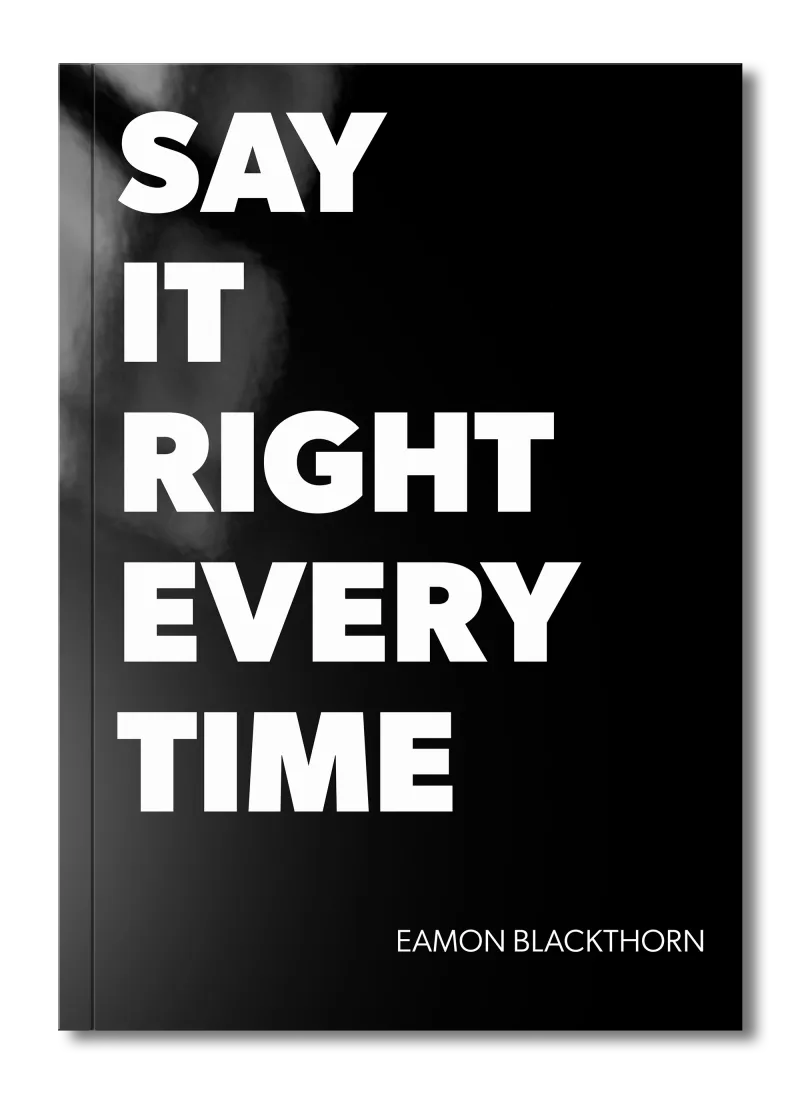
This is exactly the kind of scenario I break down in Say It Right Every Time. The chapter on recognition language gives you a framework for delivering acknowledgment that actually registers, because most people know they should recognize their team but freeze up when it comes to the words. There's a real difference between appreciation that sounds like a performance review and appreciation that sounds like a human being talking to another human being. That chapter draws the line clearly.
Never Be Lost
for Words Again
Get word‑for‑word scripts for the conversations that shape your life, from job interviews and negotiations to difficult talks with family and partners, so you always know exactly what to say and how to say it.
Never Be Lost
for Words Again
Get word‑for‑word scripts for the conversations that shape your life, from job interviews and negotiations to difficult talks with family and partners, so you always know exactly what to say and how to say it.
Key Takeaway
Before your next one-on-one with a direct report, write down one specific thing they did in the last two weeks that moved something forward. Not a general compliment. A specific action with a specific outcome. Say it out loud in the first three minutes of the meeting. That single habit, practiced consistently, does more for engagement than any company-wide initiative you will ever launch.