

What Happened
Acas, the UK workplace advisory body, has opened a public consultation on updates to its code of practice for resolving workplace disputes. The proposed changes push organizations toward addressing conflict earlier, before it escalates into formal grievances or tribunal claims. The goal is to shift workplace culture away from reactive, legalistic responses and toward open, timely conversation between employees and managers.
The Communication Angle
Picture this: two colleagues have been simmering in tension for three months. Both have complained separately to HR. Neither has spoken directly to the other. Then one day a formal grievance lands on a manager's desk, and suddenly everyone is paying lawyers instead of having a conversation that should have happened in week one.
This is the story Acas is trying to rewrite. And they are right to try.
The core communication principle here is one I have seen ignored in organizations of every size: conflict does not shrink when you ignore it. It grows. The longer a dispute sits unaddressed, the more entrenched both parties become. They stop seeing a problem to solve and start seeing an enemy to defeat. By the time most managers get involved, they are not mediating a disagreement anymore. They are managing two people who have already decided they cannot trust each other.
Early intervention works for one specific reason. The conversation you have on day five is fundamentally different from the conversation you have on day fifty. On day five, both people still believe resolution is possible. On day fifty, they have each built a case. They have told their version of the story to friends, family, and half the office. Their identity is now tied to being right. You cannot talk someone out of a position they have publicly defended a dozen times.
What Acas is essentially asking organizations to do is train managers to recognize the moment when a conversation is still possible and take it. That requires something most management training skips entirely: the skill of initiating a difficult conversation without making it feel like an accusation. You do not open with "I've noticed there's been tension." That puts people on defense immediately. You open with a question that invites them in: "How are things working between you two right now?" Let them name the problem first. That single move changes the entire dynamic.
The consultation process itself is also a communication lesson worth noting. Acas is not issuing a mandate. They are asking. That approach signals respect for the people who will actually implement the code, and it builds buy-in before the guidance is even published. Smart move.
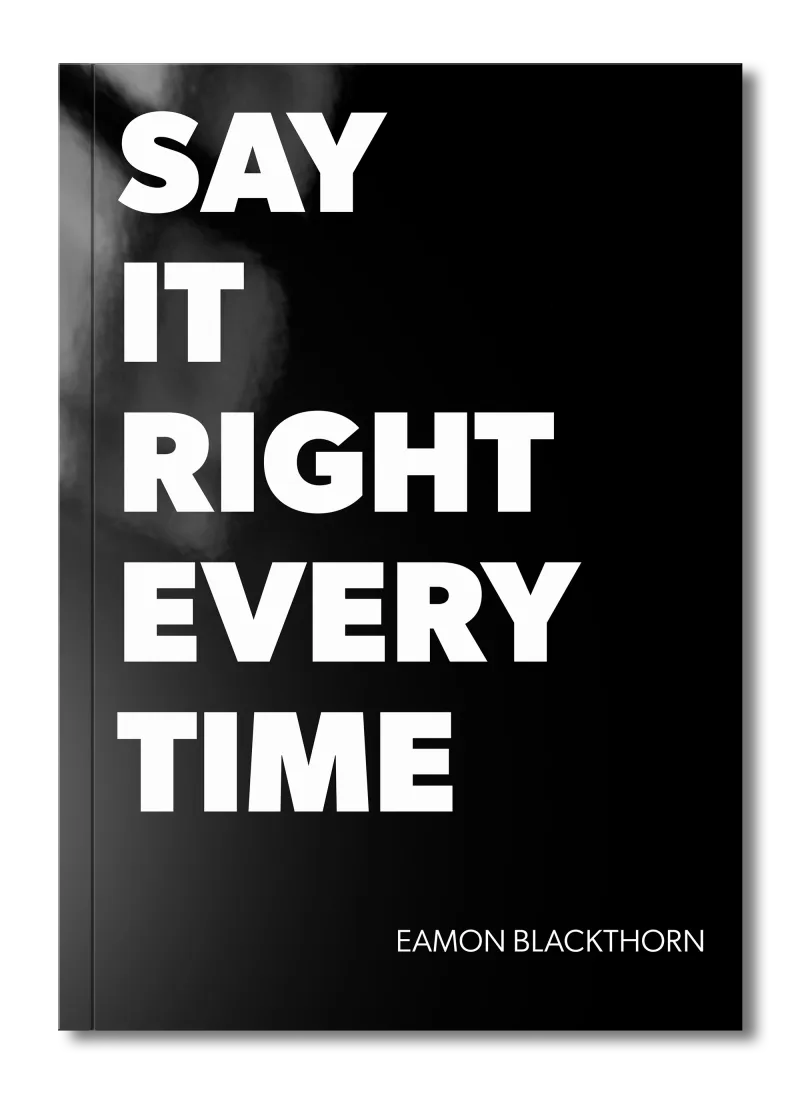
This is exactly the kind of scenario I break down in Say It Right Every Time. The chapter on initiating hard conversations gives you a framework for timing your intervention so the other person receives it as support rather than confrontation. The difference between a conversation that resolves something and one that makes it worse is almost always in the first thirty seconds. Get those right, and everything else becomes easier.
Never Be Lost
for Words Again
Get word‑for‑word scripts for the conversations that shape your life, from job interviews and negotiations to difficult talks with family and partners, so you always know exactly what to say and how to say it.
Never Be Lost
for Words Again
Get word‑for‑word scripts for the conversations that shape your life, from job interviews and negotiations to difficult talks with family and partners, so you always know exactly what to say and how to say it.
Key Takeaway
Before your next team friction moment goes cold and formal, schedule a ten-minute conversation within 48 hours. Write down one observation (not an accusation), one question you will ask first, and one outcome you want. Walk in with those three things on a notecard if you have to. You are not mediating. You are opening a door before someone decides to brick it shut.