

Anchoring
How the first number or proposal in a negotiation shapes the entire discussion — and how to anchor effectively or neutralise a strong anchor.
Anchoring is one of the most well-documented and powerful phenomena in negotiation. The first number or offer introduced into a discussion exerts a disproportionate pull on everything that follows — shaping what feels reasonable, what feels like a concession, and where the final agreement tends to land. Understanding anchoring is essential for both deploying it intentionally and defending against it when others use it on you.
This subtopic explains the psychology behind anchoring, how to make an opening offer that sets a favourable frame without triggering a walkout, how to anchor credibly so your number carries weight, and how to respond when the other side opens with an extreme position. You will also find guidance on re-anchoring mid-negotiation — how to shift the reference point when you have lost the frame.
Few negotiation concepts have as direct and immediate an impact on outcomes as anchoring. These articles give you the understanding and technique to use it as a deliberate strategic tool rather than leaving the frame entirely to the other side.
 13 min audio
 Real‑World Examples of Anchoring in Business Negotiations
Anchoring in negotiation is the practice of setting the first number or position to pull the entire discussion in your direction. These six realistic scenarios show how anchoring works, where it fails, and what you can do differently the next time you sit across the table from someone.
Read Article → 17 min audio
 Using Data and Market Evidence to Justify Your Anchor
Anchoring in negotiation is only as strong as the evidence behind it. This article walks you through a practical, step-by-step process for building data-backed anchors that command respect, survive scrutiny, and shift the negotiating range in your favour before a word is exchanged.
Read Article → 14 min audio
 How Anchoring Interacts With the Other Side's BATNA
Anchoring shapes how people perceive value in a negotiation, but its power depends entirely on the other side's alternatives. This article explains the relationship between anchoring and BATNA, and what that means for how you prepare and open any negotiation.
Read Article → 17 min audio
 How to Coach Sales Teams on Effective Anchoring
Anchoring in negotiation shapes every deal your sales team closes. This article gives sales coaches a clear, step-by-step process for teaching anchoring, covering preparation, delivery, common mistakes, and a practical coaching checklist teams can use immediately.
Read Article → 15 min audio
 Anchoring With Ranges Instead of Single Figures: When and Why It Works
Range anchoring in negotiation is one of the most misunderstood tools available. This article explains when using a range instead of a single figure strengthens your position, when it exposes you, and how to read the signs that your anchoring approach is working against you.
Read Article →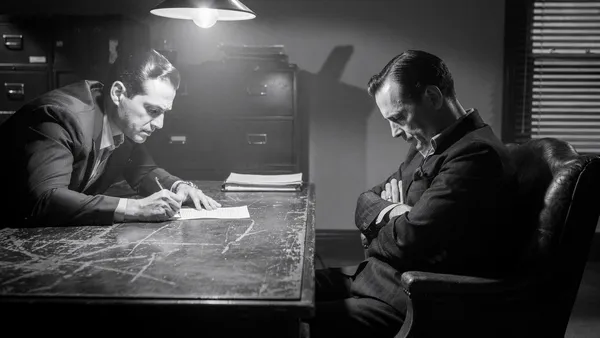 15 min audio
 The Psychology Behind Setting the First Offer
Anchoring in negotiation is the psychological force that makes the first number spoken disproportionately powerful. This article explains why anchors work, how they shape final outcomes, and what you must do before you name a number or respond to one.
Read Article → 12 min audio
 Anchoring in Online or Remote Negotiations
Anchoring in remote negotiations works the same way it does face to face, but the digital environment changes how you set it, sense it, and defend against it. This article explains what anchoring is, why it drives outcomes, and how to use it with confidence online.
Read Article → 13 min audio
 How Emotions Influence Response to Anchors
Emotional state shapes how powerfully an anchor takes hold in any negotiation. This article explains the psychological mechanism connecting feelings to anchor susceptibility, why calm negotiators outperform reactive ones, and what you can do to prepare your emotional ground before any high-stakes conversation begins.
Read Article →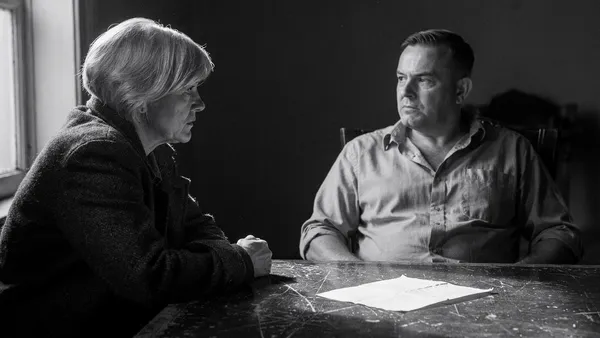 17 min audio
 Reframing Low Anchors Without Damaging Rapport
When someone opens a negotiation with a number far below what you expected, your response in the next thirty seconds shapes everything. This article gives you a clear, ordered process for reframing low anchors without losing the trust or goodwill you have built.
Read Article → 14 min audio
 How 'I' Statements Make Your Anchor More Persuasive and Less Confrontational
Anchoring sets the opening position in any negotiation. But how you frame that anchor determines whether the other person pushes back or leans in. This article explains the psychology behind 'I' statements and why they make your anchor land with less resistance and more persuasive force.
Read Article → 18 min audio
 How to Adjust Your Anchor Based on Power Dynamics
Anchoring in negotiation is only effective when it accounts for who holds the power. This article explains how to read power dynamics before you anchor, calibrate your opening number with precision, and recover when the balance shifts against you.
Read Article → 18 min audio
 Using Anchors to Guide Multi‑Round Negotiations
Anchoring shapes every round of a negotiation before a word is exchanged. This article walks through a clear, numbered process for setting, defending, and adjusting anchors across multiple rounds, including the mistakes that cost people ground and how to recover from them.
Read Article → 16 min audio
 How to Use Non-Monetary Anchors to Shape a Deal
Non-monetary anchors in negotiation set the terms, tone, and expectations before a single number is spoken. This article explains what they are, why they work, and gives you a clear step-by-step process for using them to shape any deal in your favour.
Read Article → 19 min audio
 How to Use a Third-Party Reference Point as an Anchor
Using a third-party reference point as an anchor shapes the entire range of a negotiation before a single offer is made. This article explains how to find credible external data, introduce it at the right moment, and hold ground when the anchor is challenged.
Read Article → 14 min audio
 How Numerical Framing Affects Perceived Fairness
Numerical framing in negotiation determines how fair any offer feels, not by logic, but by the anchor set before reasoning begins. This article explains the psychology behind anchoring, where it appears in real negotiations, and how to use it with skill and integrity.
Read Article → 16 min audio
 Negotiation Scenarios Where Anchoring Backfires
Anchoring is one of the most powerful tools in negotiation, but in the wrong situation it creates resentment, hardens positions, and ends conversations before they begin. This article helps you recognise the scenarios where anchoring works against you and what to do instead.
Read Article →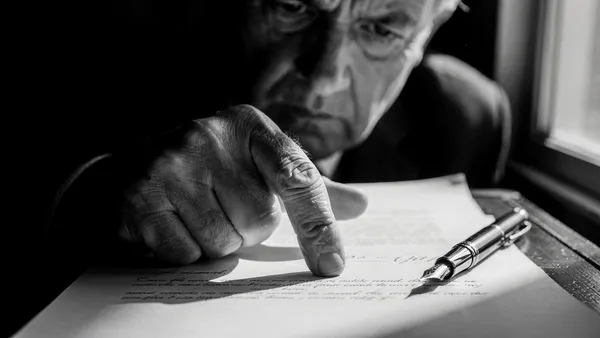 14 min audio
 How Anchoring Shapes the Entire Negotiation Process
Anchoring is the mechanism that sets the invisible boundaries of every negotiation before a single argument is made. This article explains how the first number works psychologically, why it holds such disproportionate power, and how you can use that understanding to negotiate with greater confidence and clarity.
Read Article →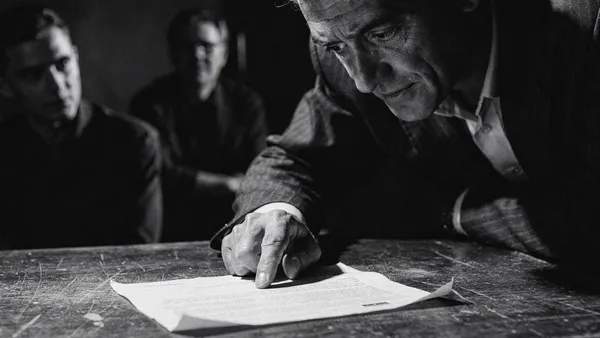 13 min audio
 Anchoring in Group or Team-Based Negotiations
Anchoring in group negotiations shapes outcomes before the real discussion begins. This article explains what anchoring is, how it plays out across team-based scenarios, what people consistently get wrong about it, and how to use it with confidence and precision.
Read Article → 14 min audio
 How Written Anchors Differ From Verbal Ones in Impact
Written and verbal anchors both shape negotiation outcomes, but they work differently. Written anchors carry permanence and precision. Verbal ones allow flexibility and immediate reading of the room. This article explains what separates them, when each applies, and how to choose wisely.
Read Article → 14 min audio
 Why Your Anchor Fails If You Skip the Psychological Safety Step
Most negotiators focus on the number when they anchor. That is the wrong place to look. This article explains why anchoring fails without psychological safety, and what you must build before your first offer ever leaves your mouth.
Read Article → 15 min audio
 How to Re-Anchor Mid-Negotiation When Talks Stall
When a negotiation stalls, most people wait and hope the other side moves. This article gives you a clear, step-by-step process for re-anchoring mid-negotiation, shifting the reference point without burning trust or losing ground you have already earned.
Read Article → 17 min audio
 How to Calibrate Anchors for Cross‑Cultural Talks
Anchoring in cross-cultural negotiations requires more than a bold opening number. This article explains how to read cultural norms, set calibrated anchors, adjust in real time, and avoid the mistakes that turn a strong first move into an immediate breakdown.
Read Article → 16 min audio
 How Amygdala Hijacking Undermines Your Anchor the Moment You Deliver It
Amygdala hijacking can destroy a negotiation anchor the instant you deliver it. This article explains the biological mechanism at work, why even well-prepared anchors collapse under emotional pressure, and what you can do to keep your anchor standing when it matters most.
Read Article → 16 min audio
 How to Combine Anchoring With Concession Planning
Anchoring sets the opening position in a negotiation, but it only works when paired with a concession plan. This article gives you a clear, numbered process for combining both, so you enter every negotiation knowing your opening number and exactly where you will move from there.
Read Article →